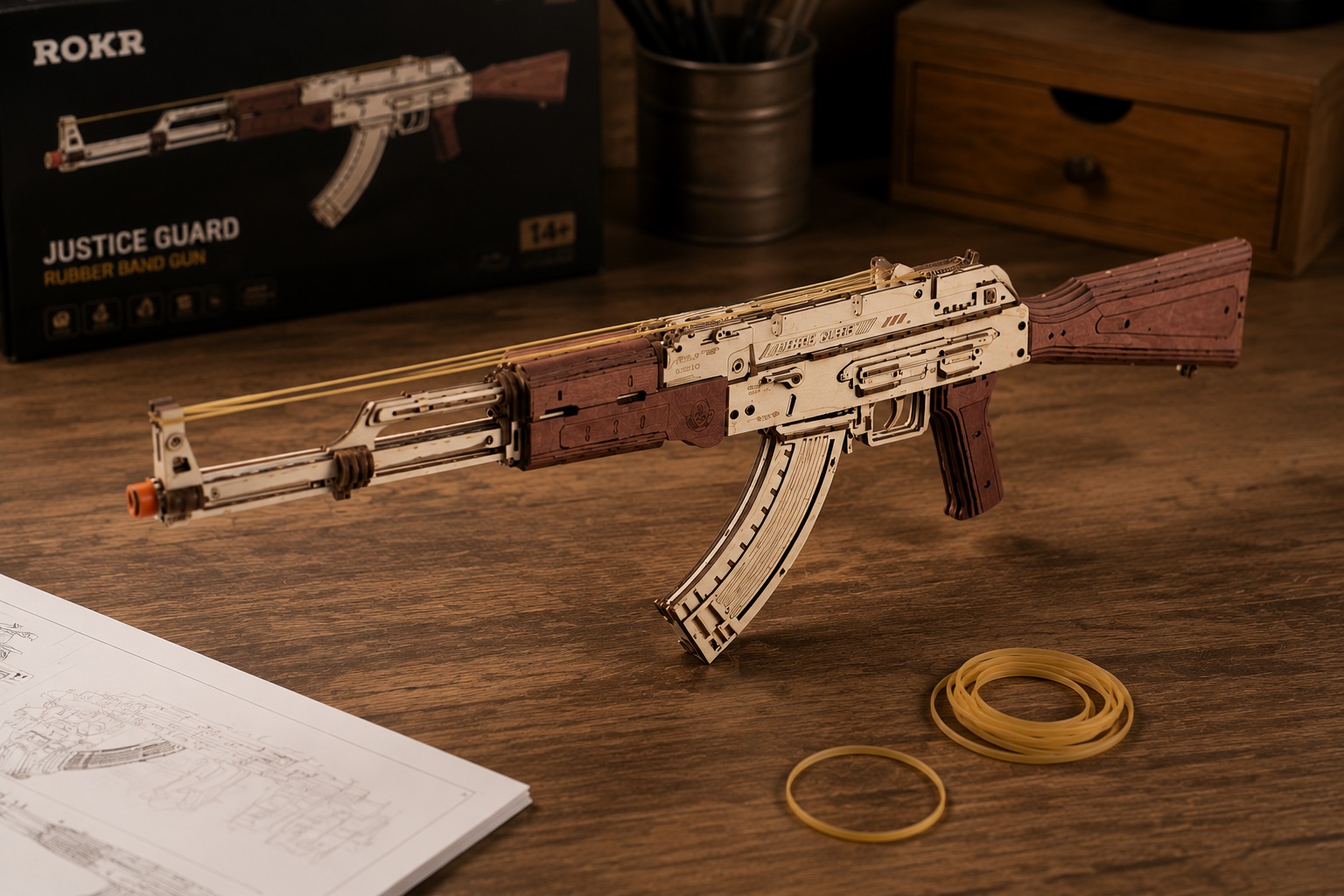
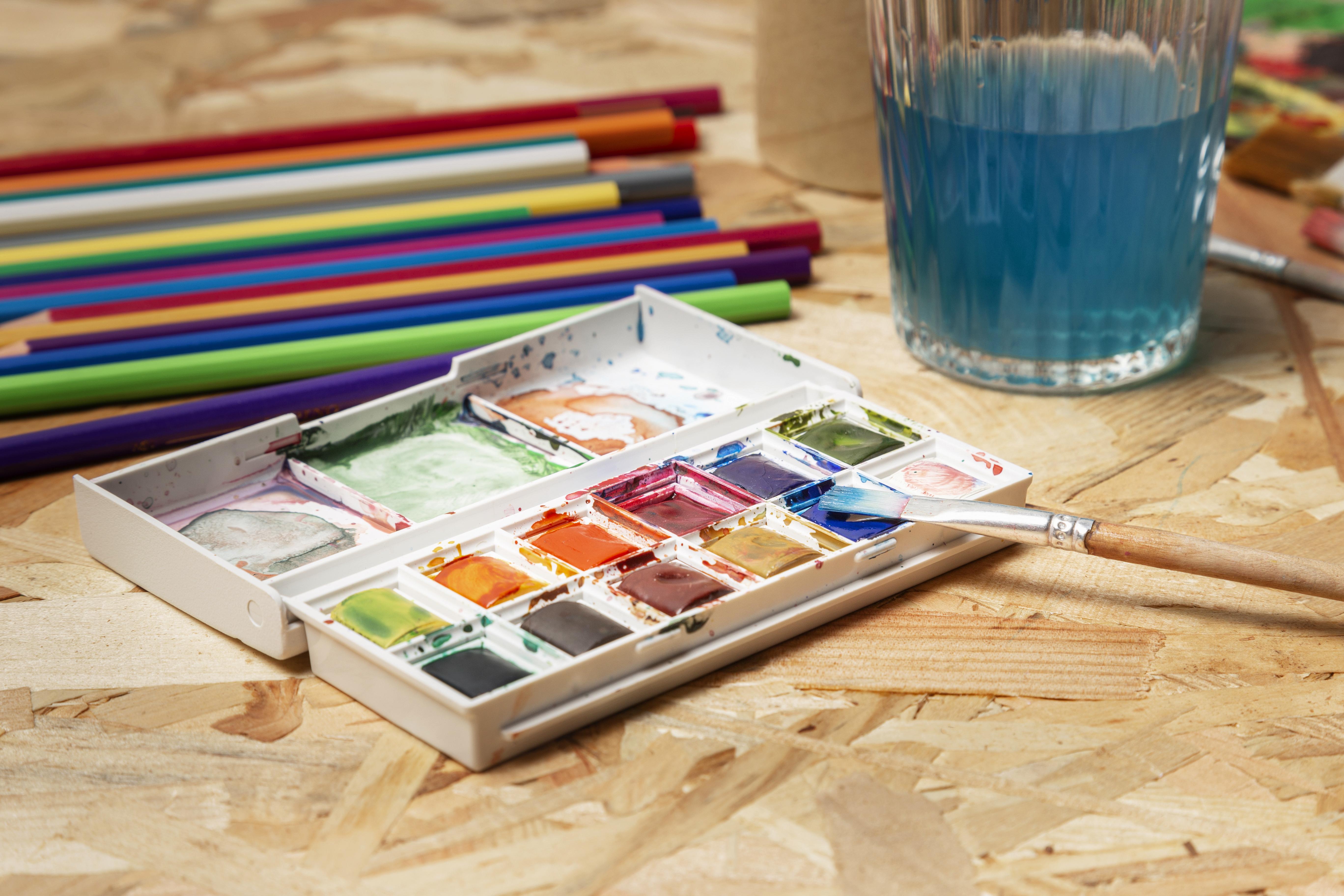
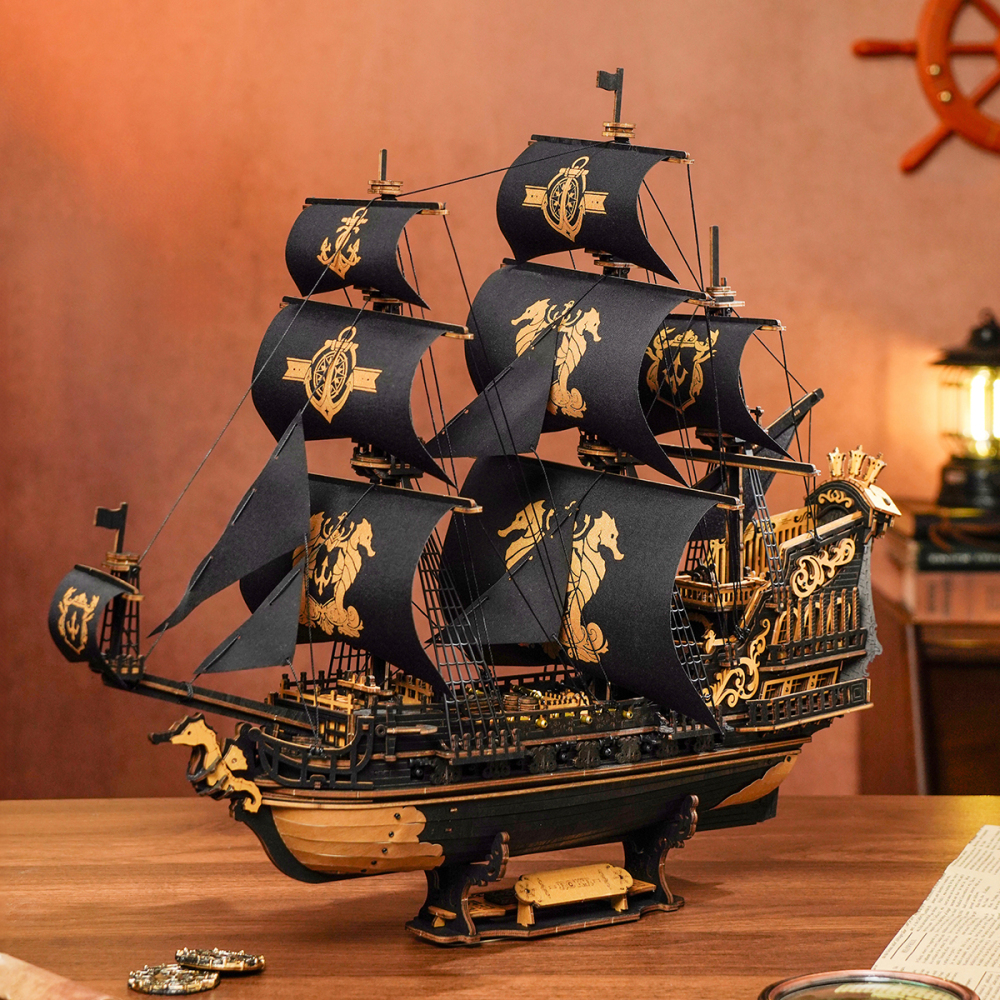
Het schilderen van een modelschip is niet alleen de laatste decoratieve stap. Het bepaalt hoe duidelijk de romp lijnen leesbaar zijn, hoe overtuigend het dek eruitziet, en of kleine accessoires zoals kanonnen, relingen, ankers en lantaarns aanvoelen als aparte materialen in plaats van één vlakke kleur.
Het goede nieuws is dat je geen ingewikkelde verfcollectie nodig hebt om te beginnen. De meeste bouwers kunnen beginnen met een kleine set op waterbasis hobby acrylverf, een betrouwbare primer of sealer, een paar goede kwasten, schilderstape en een matte of satijnen vernis. Van daaruit kun je doorgroeien naar airbrushen, emaillewas, lakspuiten, kopereffecten en historisch onderzochte kleurenschema's naarmate je zelfvertrouwen toeneemt.
Deze gids legt uit wat elke verf of afwerking doet, wanneer je het moet gebruiken, en hoe je de veelvoorkomende fouten kunt vermijden die een model er gehaast uit laten zien.
Download de werkruimte checklist: Houd de belangrijkste stappen naast je werkbank met de afdrukbare Model Schip Schilder Checklist PDF.
Het snelle antwoord: Welke verf moet een beginner gebruiken?
Voor een eerste modelschip, kies op waterbasis hobby acrylverf tenzij je kit instructies iets anders aanbevelen.
Acryl hobbyverven zijn beginner-vriendelijk omdat ze snel drogen, met water kunnen worden schoongemaakt, en beschikbaar zijn in nuttige schip kleuren zoals gebroken wit, gebroken zwart, romp rood, oker, buff, marineblauw, donkergroen, gebrande umber, messing, koper, en wapenmetaal. Ze kunnen met de hand worden geschilderd, en veel series bieden ook airbrush-klaar versies aan.
Voor houten model schepen, gebruik verf alleen waar je een ondoorzichtige kleur wilt. Gebruik beits, heldere vernis, of een houtkleurige wash waar je de natuurlijke nerf zichtbaar wilt houden. Voor plastic schepen heeft verf meestal eerst een primer nodig. Voor metalen accessoires, maak het onderdeel schoon, primeer het, en verf in dunne lagen.
Als je één regel onthoudt, maak het dan deze: het oppervlak is net zo belangrijk als de verf. Schuur, maak schoon, seal of primeer, en verf dan in dunne lagen.
Verf, Beits, Vernis, En Primer: Wat Is Het Verschil?
Verf voegt ondoorzichtige kleur toe. Het verbergt het basismateriaal en creëert de visuele identiteit van de romp, dekdetails, accessoires, en decoratieve afwerking.
Beits verandert de toon van kaal hout terwijl het de nerf laat doorschijnen. Het is nuttig voor dekken, masten, gieken, planken, kratten, vaten, en displaybases. Beits onthult ook lijmresten, dus test het op resthout en maak zichtbare lijmresten schoon voordat je afwerkt.
Vernis beschermt het oppervlak en controleert de uiteindelijke glans. Matte vernis geeft een rustige, schaal-geschikte afwerking. Satijnen vernis voegt een beetje leven toe aan hout en geschilderde rompen zonder er speelgoedachtig uit te zien. Glanzende vernis is het beste voor gepolijste jachtafwerkingen, natte effecten, decals, of tijdelijke bescherming voordat je wast.
Primer bereidt het oppervlak voor op verf. Het helpt de verf grip te krijgen, creëert een consistente basiskleur, en maakt schuurfouten gemakkelijker zichtbaar. Op hout vermindert een primer of schuursealer ook ongelijke absorptie. Op plastic en metaal is primer vaak het verschil tussen verf die blijft zitten en verf die loskomt onder schilderstape.
De Hoofdtypen Model Schip Verf
| Verf of afwerking | Beste gebruik | Sterke punten | Let op voor |
|---|---|---|---|
| Water-gebaseerde hobby acryl | De meeste beginner schipmodellen, kwastverven, detailwerk | Lage geur, snel drogen, gemakkelijk schoon te maken, breed kleurenpalet | Kan kwastmarkeringen tonen als te dik aangebracht; heeft primer nodig op gladde oppervlakken |
| Emaille verf | Duurzame kwastafwerkingen, kleine details, sommige traditionele model workflows | Goede dekking, gladde nivellering, langere open tijd | Oplosmiddel-gebaseerd; heeft de juiste verdunner en ventilatie nodig |
| Lakken verf of spray | Glad grote gebieden, snel-drogende primer of romp kleur, geavanceerd airbrush werk | Stevige afwerking, dunne lagen, sterke hechting | Heet oplosmiddel; ventilatie vereist; compatibiliteit is belangrijk |
| Houten beits | Deks, masten, gieken, natuurlijke planken, displaybases | Houdt de houtnerf zichtbaar | Lijmresten en ongelijk schuren kunnen markeringen achterlaten |
| Heldere vernis | Eindbescherming, glanscontrole, sealing beits of verwering | Beschermt handgebieden en egaliseert de afwerking | Test over decals, metalen, en verwering voordat je het afgewerkte model coat |
Het veiligste pad voor beginners is acrylverf over een compatibele primer, afgewerkt met matte of satijnen vernis. Emaille en lakken zijn nuttig, maar ze brengen meer dampen, langere uithardingstijden, en meer compatibiliteitsvragen met zich mee.
.jpg)
Een Starter Verf Kit Voor Model Schepen
Je kunt veel schipmodellen schilderen met een gefocust palet in plaats van elke kleur in de rek te kopen.
Begin met deze kleuren:
- Gebroken wit, geen puur wit, voor zeilen, afwerking, hutten, en schaalhoogtepunten.
- Gebroken zwart, houtskool, of zwartgrijs voor wales, relingen, kanonlopen, ankers, en schaduwdetails.
- Romp rood of oxide rood voor lagere rompen en geselecteerde interieur bulwarks.
- Buff, tan, of gele oker voor periode schip banden, masten, gieken, en warme afwerking.
- Gebrande umber of donkerbruin voor houttoon, washes, vaten, en touwschaduwen.
- Dek tan, verouderd hout, of lichtgrijs-bruin voor dekken.
- Marineblauw, koninklijk blauw, of donkergroen als de periode van je schip of kitplan daarom vraagt.
- Messing, koper, goud, en wapenmetaal voor accessoires, lantaarns, kanonnen, plating, en hardware.
- Matte of satijnen heldere vernis voor eindbescherming.
Voor gereedschappen, voeg toe:
- Één middelgrote platte kwast voor brede rompsecties.
- Één kleine platte kwast voor afwerking en dekstructuren.
- Ronde kwasten in maten 0, 1, en 2 voor accessoires en details.
- Een fijne liner kwast voor ramen, relijn, en rigging aanpassingen.
- Lage-tack schilderstape voor waterlijnen en kleurbanden.
- Schuurpapier in middelgrote, fijne, en zeer fijne korrels.
- Een klein palet, waterbeker, papieren handdoek, en wattenstaafjes voor correcties.
Hoe Een Houten Model Schip Voor Te Bereiden Voor Verf
Hout beloont geduld. Verf verbergt geen slecht voorbereid romp; het maakt vaak gaten en richels gemakkelijker zichtbaar.
Vul eerst zichtbare gaten met een geschikte houtvuller. Laat het volledig drogen, schuur dan de romp totdat de vorm continu aanvoelt onder je vingertoppen. Gebruik middelgrof schuurpapier voor vormgeving, fijn schuurpapier voor de verf, en zeer fijn schuurpapier tussen afwerkingslagen.
Verwijder vervolgens schuurstof met een zachte borstel of pluisvrije doek. Dompel het hout niet onder. Als je van plan bent te beitsen, test de beits op reservehout van de kit voordat je het model aanraakt. Houtsoorten en schuurgladheid kunnen de kleur meer veranderen dan beginners verwachten.
Voor geschilderde houten gebieden, breng een dunne primer of sealer aan voordat je kleur aanbrengt. Dit voorkomt vlekkerige absorptie en geeft acrylverf een gelijkmatiger basis. Voor natuurlijke houten gebieden, gebruik beits of heldere vernis in plaats van ondoorzichtige verf.
Belangrijk: verf geen oppervlakken die nog gelijmd moeten worden. Houtlijm hecht het beste aan kaal hout. Als je per ongeluk een lijmverbinding verft, schraap of schuur het contactgebied schoon voordat je het in elkaar zet.
Hoe Een Plastic Of Hars Schip Model Te Schilderen
Plastic en hars hebben een iets andere aanpak nodig. Was de onderdelen voorzichtig met milde zeep en water om de malrelease, huidolie, en schuurstof te verwijderen. Laat alles volledig drogen.
Primeer voordat je gaat schilderen. Een grijze primer is een goede allround keuze omdat het oppervlaktefouten onthult en onder de meeste kleuren werkt. Witte primer helpt heldere kleuren schoner te blijven. Zwarte primer kan diepte toevoegen voor donkere marineschepen, metalen onderdelen, en verwerkte afwerkingen, maar het kan ervoor zorgen dat lichte kleuren meer lagen nodig hebben.
Schilder of spray de kleur in dunne lagen. Probeer niet in één zware pas te dekken. Dunne lagen behouden dekplanken, klinknagels, patrijspoorten, ventilaties, en gemodelleerde details.
Wanneer Te Schilderen Voor Assemblage
Schilder kleine onderdelen voor assemblage wanneer ze later moeilijk te bereiken zullen zijn. Dit omvat vaak boten, ankers, kanonlopen, dekmeubilair, lantaarns, figuren, ladders, relingen, en metalen accessoires.
Schilder na assemblage wanneer de verbinding moet worden geschuurd, gevuld, of continue kleur nodig heeft. Romphelften, geplankte rompen, deknaad, hutten, en grote superstructuur onderdelen zien er meestal schoner uit wanneer ze eerst worden gevormd en daarna worden geschilderd.
Een eenvoudige regel werkt goed: bouw en schuur de structuur, schilder dan de afwerking. Schilder losse details apart, en bevestig ze vervolgens voorzichtig.
Kwast Schilderen Zonder Kwastmarkeringen
Kwast schilderen kan er heel schoon uitzien als je verf behandelt als een reeks dunne lagen.
Roer of schud de verf grondig. Doe een kleine hoeveelheid op een palet. Verdun het met water of de verdunner van de fabrikant totdat het soepel uit de kwast vloeit maar nog steeds het oppervlak bedekt. Laad de kwast licht, trek de verf in één richting, en stop voordat het oppervlak begint te slepen.
Twee of drie dunne lagen zijn beter dan één dikke laag. Laat elke laag drogen voordat je de volgende toevoegt. Als er een richel verschijnt, blijf er dan niet overheen schilderen terwijl de verf half droog is. Laat het uitharden, schuur voorzichtig indien nodig, en schilder dan opnieuw.
Gebruik platte kwasten voor grotere romp panelen en ronde kwasten voor kleine accessoires. Houd één oudere kwast voor drybrushing en ruwe textuurwerk; gebruik je beste detailkwast niet voor alles.
Maskeren Van Een Schone Waterlijn
Een scherpe waterlijn is een van de details die een schipmodel gecontroleerd laat aanvoelen.
Markeer de waterlijn van het plan of de kit instructies. Gebruik lage-tack schilderstape en druk de rand voorzichtig naar beneden met een schone vingernagel, tandenstoker, of wattenstaafje. Schilder weg van de rand van de tape in plaats van verf eronder te duwen.
Breng lichte lagen aan. Verwijder de tape voordat de verf keihard wordt, maar nadat deze voldoende is ingesteld om niet te vegen. Als de lijn correctie nodig heeft, gebruik dan een fijne kwast in plaats van het hele romp opnieuw te schilderen.
Voor gebogen rompen buigt smal afplakband schoner dan breed tape. Je kunt smal tape gebruiken voor de rand en breder tape of papier erachter voor bescherming.
Historisch geloofwaardige kleuren kiezen
Historische scheepskleuren zijn niet altijd een enkel exact antwoord. Verfrecepten, pigmenten, onderhoudsgewoonten, verwering, zout, zon en nationale praktijken hebben allemaal de uitstraling van echte schepen in de loop der tijd veranderd.
Begin met de kitinstructies. Controleer vervolgens betrouwbare referenties voor het specifieke schip, de marine, het tijdperk of het werkvaartuig. Als het originele schip niet goed gedocumenteerd is, kies dan een geloofwaardige reeks in plaats van valse precisie na te jagen.
Voor veel zeilschepen zijn nuttige kleuren onder andere donker hout, zwart, rode oxide, gele oker, buff, gebroken wit, donkergroen, donkerblauw en metalen tinten. Dekken zien er vaak realistischer uit in lichtbruin, verouderd hout of grijsbruin dan in sterk oranje-bruin. Puur zwart en puur wit kunnen er op kleine schaal hard uitzien, dus gebroken zwart en gebroken wit zijn vaak overtuigender.

Voor moderne oorlogsschepen, gebruik de kleurvermeldingen van de kit of maritieme referenties. Grijzen kunnen er te donker uitzien op een klein model, dus veel bouwers lichten de gekozen grijs iets op voor schaaleffect.
Verf of Beits? Hoe te beslissen over houten schepen
Gebruik verf wanneer het echte schip een ondoorzichtige geschilderde oppervlakte had, wanneer de kitinstructies om een gekleurde band vragen, of wanneer je een schoon visueel contrast nodig hebt.
Gebruik beits wanneer het model profiteert van zichtbare houtnerf. Dekken, masten, gieken, tentoonstellingsstands en decoratieve planken zien er vaak beter uit wanneer het materiaal nog steeds als hout wordt herkend.
Gebruik heldere vernis wanneer het hout al een goede kleur heeft en alleen bescherming nodig heeft. Satijnen vernis kan hout warmer laten aanvoelen; matte vernis houdt de afwerking meer ingetogen en schaalachtig.
Vermijd beitsen over lijmresten. Zelfs een kleine vlek kan de beits blokkeren en een bleke plek achterlaten. Dit is waarom het opruimen van lijm tijdens de montage belangrijk is, lang voordat de afwerkingsfase begint.
Eenvoudige verwering voor een realistischere afwerking
Verwering moet het verhaal van het schip ondersteunen, niet de bouw verbergen.
Een beginner kan beginnen met drie technieken:
- Een dunne donkere wash rond dekaccessoires, plankenlijnen, kanonnen, roosters en hoeken.
- Drybrushing met een lichtere toon op verhoogde details, touwtextuur, houtsnijwerk en versleten randen.
- Zeer kleine chips of schrammen op ankers, kanonnen, ladders en werkdekken.
Seal de basisverf voordat je gaat verweren als je een wash gebruikt die kan vlekken of het kan reactiveren. Werk langzaam en stop eerder dan je denkt. Realistische modelschepen profiteren meestal van ingetogen verwering, vooral tentoonstellingsstukken, historische schepen, jachten en decoratieve houten kits.
Vernis: De laatste beschermlaag
Vernis beschermt de verf tegen hantering en verenigt de glans. Het is vooral nuttig op delen die tijdens het hijsen of opzetten van de tentoonstelling worden aangeraakt.
Gebruik matte vernis voor de meeste schaalmodellen. Gebruik satijn voor natuurlijk hout, gepolijste maar niet glanzende rompen, of decoratieve modellen. Gebruik glans alleen voor opzettelijke glans, decalvoorbereiding of speciale effecten.
Breng vernis in dunne lagen aan. Zware vernis kan zich ophopen rond kleine details, de kleuren vertroebelen of de hijs- en houtsnijwerk er dik uit laten zien. Test altijd vernis over metallic verven, decals en verwering voordat je het op het voltooide model aanbrengt.
Verfcompatibiliteit: Een regel die problemen voorkomt
Verfsystemen gedragen zich niet allemaal hetzelfde. Laksproducten kunnen sterk genoeg zijn om acryl- of emaille lagen eronder te verstoren als ze te nat of te vroeg worden aangebracht.
Bij twijfel, volg deze veiligere volgorde:
- Primer of lakbasis, volledig uitgehard.
- Acrylkleur lagen.
- Emaille detailverf of emaille/olie verwering, indien gebruikt.
- Heldere coating, eerst getest op een reserveonderdeel of verborgen gebied.
Gebruik de verdunner die wordt aanbevolen voor jouw verflijn. Neem niet aan dat elke acryl op dezelfde manier kan worden verdund. Sommige acrylmodelverven zijn op waterbasis, terwijl andere verschillende oplosmiddelen gebruiken. Als je merken mengt, test dan eerst.
Veelvoorkomende fouten om te vermijden
Verf niet rechtstreeks op stoffig hout, vettig plastic of ongeprimed metaal. De afwerking kan loskomen, druppelen of afkrabben.
Breng geen dikke verf aan om gaten te verbergen. Vul en schuur eerst, en verf dan.
Gebruik niet overal puur zwart en puur wit. Gebroken zwart en gebroken wit zien er meestal realistischer uit op schaal.
Haast je niet met afplakken. Verf die droog aanvoelt kan nog steeds zacht zijn aan de onderkant.
Vernis niet het hele model zonder te testen. Heldere coatings kunnen metallics, decals, washes en glans veranderen.
Maak niet van elk oud schip een zwaar verroest wrak. Schepen uit de Zeilperiode, museumstijl tentoonstellingsmodellen en decoratieve houten kits zien er vaak beter uit met subtiele kleurvariatie dan met agressieve vuiligheid.
Drie beginner-vriendelijke verfplannen
1. Geschilderde vissersboot
Gebruik grijze primer, gebroken witte bovenstructuren, rompredd onder de waterlijn, koninklijk blauw of groene accenten, aluminium voor kleine metalen details, en satijnen vernis. Voeg een lichtbruine wash toe rond dekaccessoires als je meer diepte wilt.
2. Historisch zeilschip
Gebruik beits of heldere satijnen vernis voor dekken en masten, gebroken zwart voor wales en kanonnen, gele oker of buff voor decoratieve banden, rode oxide voor geselecteerde binnenboorden of kanonwagens, en matte vernis voor de uiteindelijke afwerking.
3. Modern plastic oorlogsschip
Gebruik plastic primer, maritieme grijstinten voor romp en superstructuur, donkerder grijs voor dekken, gebroken wit voor reddingsboten, oranje of rood-oranje voor veiligheidsuitrusting, wapenmetaal voor wapens en ankers, en matte vernis. Voeg ingetogen paneellijn washes alleen toe na het sealen van de basislaag.
Laatste conclusie
De beste verf voor een modelschip is niet alleen een kleur in een fles. Het is een klein afwerksysteem: oppervlaktevoorbereiding, primer of sealer, dunne verflagen, zorgvuldige afplakwerk, detailwerk en een beschermende vernis.
Begin met watergedragen hobby-acrylverven, een paar nuttige scheepskleuren, en een matte of satijnen afwerking. Test beitsen en vernissen op resthout. Houd lijmoppervlakken schoon. Zodra de basisprincipes natuurlijk aanvoelen, ga dan verder met airbrushen, historisch kleuronderzoek, metallic effecten en verwering.
Een goed geschilderd modelschip moet nog steeds het vakmanschap van de bouwer tonen: de vorm van de romp, het ritme van het dek, het gewicht van de accessoires, en het stille karakter van een met de hand gemaakt vaartuig.