For most people, science, technology, engineering, and mathematics (STEM) may not feel like something they encounter every day. Yet these fields shape familiar actions, from checking the weather on a phone to using a navigation app on the way to work.
Science, technology, engineering, and mathematics are often associated with laboratories, research centres, or specialist careers. But STEM has much more to offer. It powers the devices we use, improves healthcare, supports transportation systems, and helps homes run more efficiently.
By examining what we do every day, we can see how much science, technology, engineering, and mathematics are present in our lives. Once we understand how these systems work, the world can feel less confusing. We also begin to notice the creativity and intelligence behind inventions that improve daily life. That is why STEM is important in so many places.
Everyday STEM is rarely one subject working alone. Science explains, technology provides tools, engineering shapes solutions, and mathematics helps measure and decide.
Understanding How STEM Works in Our Daily Lives
Many people use products based on science, technology, engineering, and mathematics without realising how much work went into creating them.
Engineers build devices, software developers create apps, scientists conduct research, and mathematicians create formulas that help systems function. STEM appears in online shopping, streaming a movie, paying bills online, and following a fitness programme. These innovations also help businesses, hospitals, transportation systems, and energy-efficient homes operate more smoothly.
These connections help people recognise that STEM education is not limited to classrooms. It is involved in solving problems and improving life.
| Everyday example | How STEM contributes |
|---|---|
| Smartphones | Compact engineering, software, data, and mathematical prediction |
| Navigation | Satellite signals, position calculations, and route planning |
| Healthcare | Imaging, computing, scientific research, and clinical tools |
| Smart homes | Sensors, automation, software, and energy management |
| Sports and fitness | Wearable sensors, measurement, and performance data |
| Children's activities | Building, coding, testing, observation, and problem-solving |
Smartphones and Mobile Technology
The smartphone is a clear example of what STEM can do. It may appear to be a simple communication device, yet it is the product of years of work and new ideas from many fields of study.
The components inside a smartphone are carefully engineered to fit into a small package. Designers work to make each phone quick, efficient, and energy-conscious.
The software that operates the phone is just as important. Software developers create applications that let us send messages, look up information, edit pictures, attend meetings, and manage money. Each application contains code that tells the phone how to perform a task.
Smartphones also depend on mathematics. Search tools use mathematical formulas to organise information. Navigation apps calculate routes, while typing systems use patterns to predict which words may come next. Most people do not notice these calculations, but they help phones work smoothly.
Transportation and Navigation
Transportation today is shaped by science, engineering, and technology. Travel between locations has become faster, safer, and more convenient in many parts of daily life.
GPS navigation is a familiar example. Satellites transmit timing signals, and devices use mathematics to estimate position and calculate a route almost immediately.
Electric vehicles are another significant example. Engineers continue to improve batteries, make motors use energy more efficiently, and refine energy-management systems. Together, these developments have made electric vehicles a practical option for everyday travel.
Car makers are also developing more driver-assistance features. Many cars can help a driver stay within a lane, maintain distance from another vehicle, or brake in some situations. Cameras, sensors, software, and data support these systems, but the driver remains responsible for monitoring the road.
Health and Medicine
Healthcare is another area where STEM has made a difference in people's lives. Science and technology help clinicians identify health problems, plan treatments, and monitor patients.
MRI, CT, and X-ray scans let doctors look inside the body without surgery. These machines use physics, mathematics, and computing to produce images that can support a diagnosis.
Computer-assisted systems are also used in some medical procedures. In certain operations, robotically assisted surgical devices allow surgeons to control instruments while performing complex tasks. The technology assists trained clinicians rather than replacing them.
Computers can also help analyse large amounts of medical information and identify patterns that people might miss. This does not mean computers will replace doctors, but they can support clinical decisions and patient care.
Smart Homes and Household Technology
Technology is changing how people live in their homes. Devices that once appeared only in science fiction are now found in many households.
Some thermostats learn when people are usually at home and adjust the temperature automatically. This can make a home more comfortable while helping it use less energy.
Voice assistants can turn lights on and off, play music, set reminders, and control other devices. They use software to interpret what people say, recognise patterns, and respond within seconds.
Homes also use energy-efficient appliances and automated systems designed to reduce waste. The people who design these products keep looking for ways to improve performance while using less energy, which can benefit both households and the environment.
Sport and Fitness
STEM is important in sport and fitness. Technology gives people access to information that can help them understand their health and performance.
Wearable devices can track steps, heart rate, sleep, and daily movement. This information helps people notice their routines and make more informed choices about their health.
Professional athletes and sports teams use tools to study training and competition. Coaches examine data to understand strengths, identify areas for improvement, and shape training plans.
STEM Activities for Children
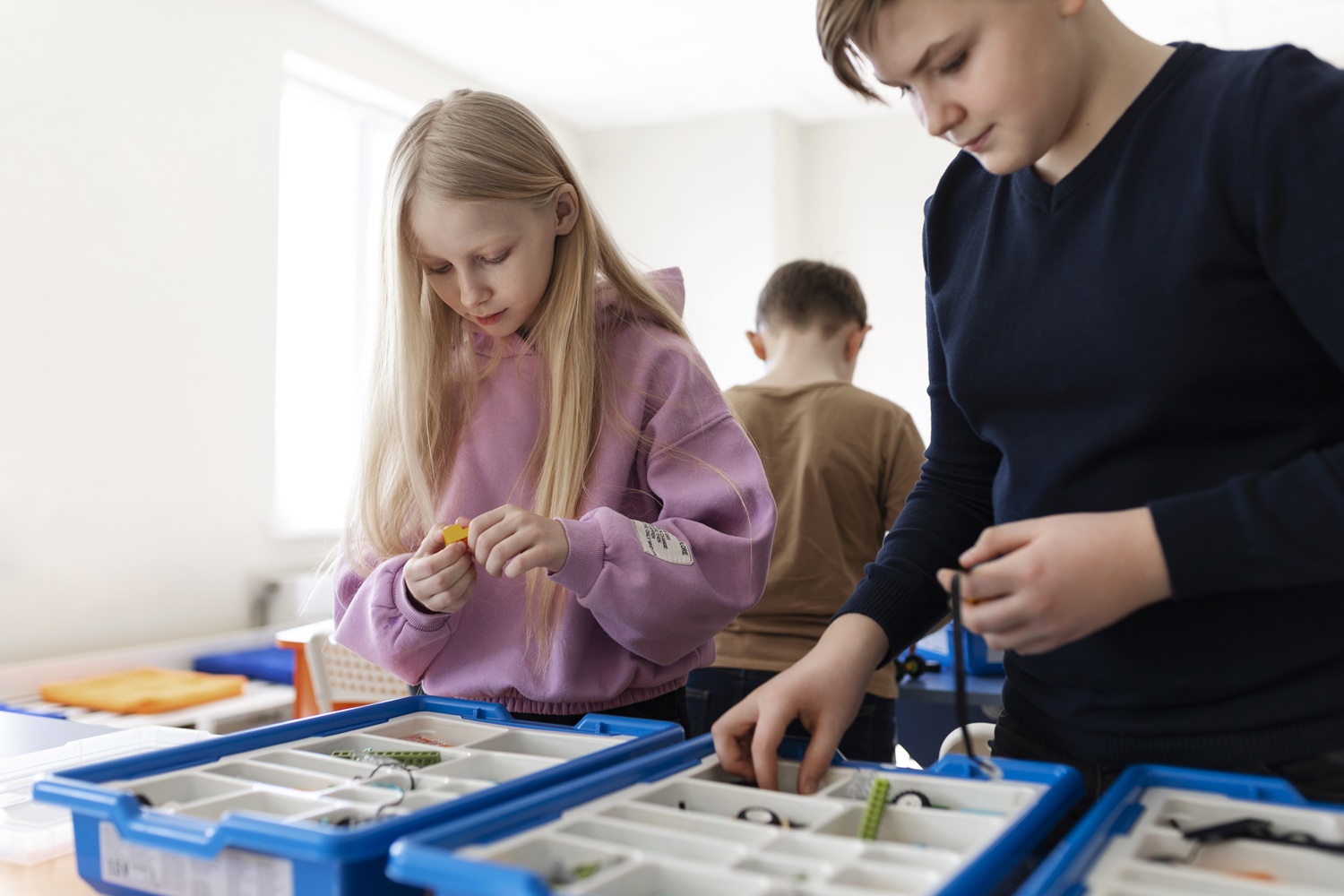
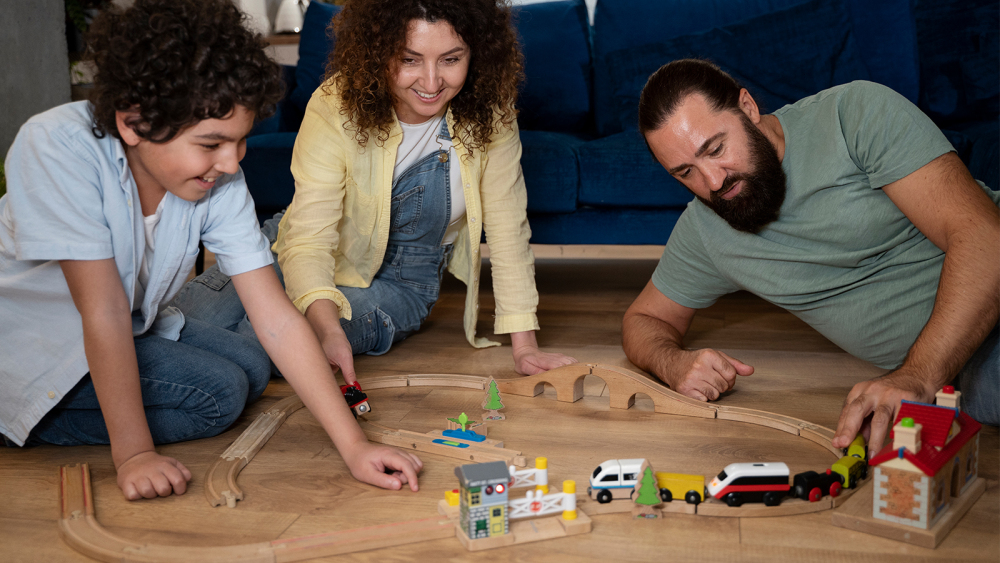
Children do not need expensive equipment to start learning about science, technology, engineering, and mathematics. They can learn by handling everyday materials, trying ideas, and seeing what happens.
- Building When children build, they test ideas, spot problems, and improve what does not work.
- Coding games Coding activities help children solve problems, think logically, and complete tasks in an orderly way.
- Simple experiments Growing plants, mixing safe household materials, or comparing objects can encourage curiosity and careful observation.
These activities show that learning often starts with children asking questions and seeking answers. Children learn by doing and asking.
Why Everyday STEM Examples Matter
STEM subjects can be hard to understand when students only read about them in books or complete exercises in class. When they see how those subjects work in real life, the ideas begin to make more sense.
Everyday activities show how useful STEM subjects can be. Mathematics supports navigation systems, engineering improves transportation, and science helps researchers develop medical treatments. When students see these connections, they can understand what they learn in class more easily. It no longer feels like learning only for a test; it feels like learning for real life.
Seeing STEM at work can also spark curiosity. People begin to wonder how things work and think about ways to improve them. This is one of the clearest differences between STEM and traditional education: real examples invite learners to keep asking, testing, and developing ideas.
Conclusion
The influence of STEM reaches far beyond laboratories and technology companies. It appears in the phones and computers people use, the buses and trains they ride, the hospitals they visit, and many other technologies that support daily life.
When a message arrives on a phone, someone searches the internet, a fitness tracker reports activity, or a map gives directions, the result reflects the work of scientists, engineers, developers, and mathematicians solving problems together. These everyday examples show that STEM is not only something people learn at school or practise in a lab. It is part of how people live, work, learn, and communicate.