Uma enorme sombra desliza sob a superfície do mar quente e aberto. Tem uma pele escura, com vastas nadadeiras em forma de asa que sobem e descem em arcos amplos, empurrando-a para frente com a graça de um pássaro em voo. Esta é a manta, um dos gigantes mais hipnotizantes da natureza e a inspiração da ROKR para sua mais recente obra-prima mecânica.
O Acrobata Gigante do Oceano
A manta ( Mobula birostris ) é um gentil filtrador que pode crescer até impressionantes 7 metros de largura e pesar mais de uma tonelada. Ela habita as águas tropicais e subtropicais quentes ao redor do mundo, como ao largo da costa do Pacífico do México, Indonésia e Caribe. Ela "voa" pelo mar flexionando músculos fortes das nadadeiras peitorais que ondulam ao longo de seu corpo para impulsioná-la contra a água. Este método de natação conserva energia, permitindo que ela percorra grandes distâncias com facilidade enquanto manobra com precisão através das correntes oceânicas.
Elas podem ser caçadas por grandes tubarões-brancos, mas as mantas podem transformar seu movimento gentil em batidas poderosas que lhes permitem pairar acima da superfície da água ou mergulhar rapidamente em águas mais profundas com notável agilidade. É esse equilíbrio de eficiência, agilidade e elegância que cientistas e designers estão tentando emular, inspirando inovações biomiméticas em tecnologia marinha.
O Gênio da Biomimética
Através de milhões de anos de evolução, a natureza criou soluções para diferentes espécies que são mais eficientes, sustentáveis e adaptáveis ao seu ambiente. Esses designs naturais empurram a ciência a pensar em múltiplas disciplinas, incluindo tecnologia, engenharia e matemática, para criar tecnologias que usam menos recursos, minimizam o impacto ambiental e têm um desempenho melhor em condições do mundo real.
Usar este conceito de design é conhecido como biomimética.
Biomimética é a aplicação da biomimética na tecnologia. No caso da manta, tecnologias como veículos subaquáticos, sistemas de propulsão e robôs inspirados na biologia estão sendo desenvolvidos com as técnicas de manobra da manta como inspiração.
Um exemplo é o pesquisadores da Universidade Estadual da Carolina do Norte que criaram um nadador robótico macio . Este robô tem movimentos de nadadeira baseados na manta que alcançaram uma velocidade recorde de 6,8 comprimentos de corpo por segundo ao copiar a maneira como as mantas batem suas nadadeiras para alcançar movimento vertical e lateral subaquático.
Outro exemplo é o projeto 'Manta Ray' da DARPA , um veículo subaquático não tripulado de longa duração que é autônomo, eficiente em energia, furtivo e capaz de transportar cargas pesadas por longas distâncias. Ele também pode hibernar no fundo do mar quando não está em uso.
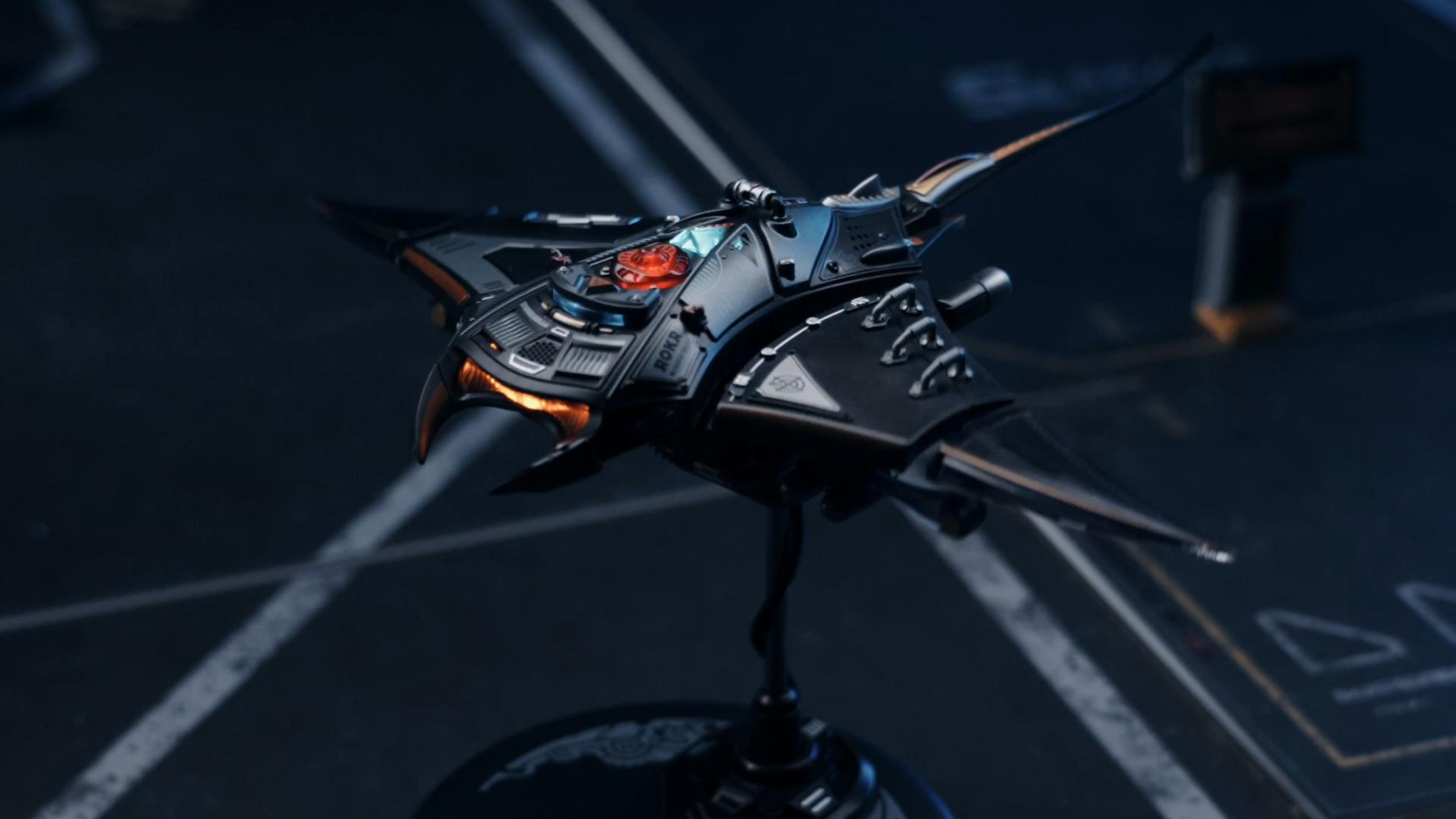
Estas são apenas duas máquinas que se inspiraram na eficiência de natação da manta. Adicione agora a ROKR Manta Ray, um modelo biomimético e réplica de mesa do fascinante design da manta. É mais um testemunho de como a engenharia da natureza pode inspirar a criatividade humana e o aprendizado em STEAM.
A Manta Mecânica ROKR
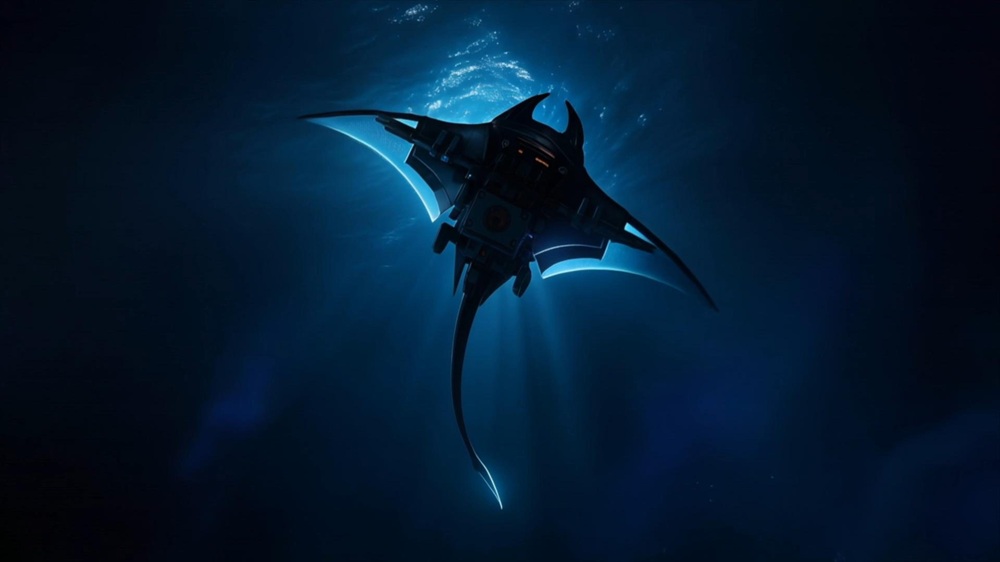
A Manta Ray faz parte da série ROKR Mechanical Species, uma linha de criaturas metálicas em movimento com designs biomiméticos.
A Manta Ray tem 108 peças e apresenta um sistema de transmissão de dupla ligação para alimentar o movimento realista de 40° das nadadeiras peitorais. Movendo-se em sincronia, um mecanismo separado cria um balanço de baixa frequência de 33° na cauda. Isso cria um equilíbrio sincronizado de graça e estabilidade, recriando o ritmo natural subaquático da manta.
A estrutura é montada em um suporte fino com uma base ampla e o botão de energia, onde parece "voar" sem esforço acima da sua mesa.
A ROKR Manta Ray tem duas velocidades: o Lento Modo de Cruzeiro e o Rápido Modo de Explosão .
O Modo de Cruzeiro ativa as nadadeiras em arcos suaves e rítmicos enquanto as luzes azuis e âmbar pulsão suavemente em sincronia com o movimento. Outro toque no botão ativa o Modo de Explosão, onde as nadadeiras batem e as luzes piscam com urgência. Este batimento rápido simula uma fuga repentina de um predador.
Uma Experiência STEAM
Construir e observar a ROKR Manta Ray oferece aos aprendizes de STEAM habilidades para a vida toda que os ajudam a ter sucesso em suas carreiras. O processo de construção fortalece o raciocínio espacial e as habilidades de sequenciamento enquanto monta 108 peças de metal cortadas com precisão. Essas habilidades se transferem diretamente para campos como engenharia, design e arquitetura.
Assistir aos movimentos biomiméticos realistas da manta ajuda os aprendizes a entender como a biologia inspira a tecnologia, conectando adaptações naturais a inovações modernas como robótica e veículos subaquáticos. Este projeto DIY também incentiva a paciência, o pensamento crítico e a resolução de problemas, que são características essenciais tanto em ambientes acadêmicos quanto profissionais. O mais importante, ele nutre qualidades como curiosidade e criatividade, abrindo caminho para futuros cientistas, engenheiros e inovadores.
Uma Experiência de Aprendizado Interativa
Ao trabalhar na ROKR Manta Ray, os aprendizes se tornam mais curiosos sobre como o mundo natural funciona e como essas lições podem ser aplicadas à tecnologia de hoje. É uma verdadeira lição de STEAM a cada passo, à medida que os usuários são desafiados a pensar criticamente, resolver problemas e apreciar a conexão entre ciência e design.
Assista ao elegante "vagabundo alado" e aos princípios de STEAM ganharem vida bem na sua mesa através da ROKR Manta Ray. Faça teorias e conceitos se tornarem tangíveis e aplique o que você aprendeu para criar, projetar e se divertir.
Mantenha-se curioso com ROKR !