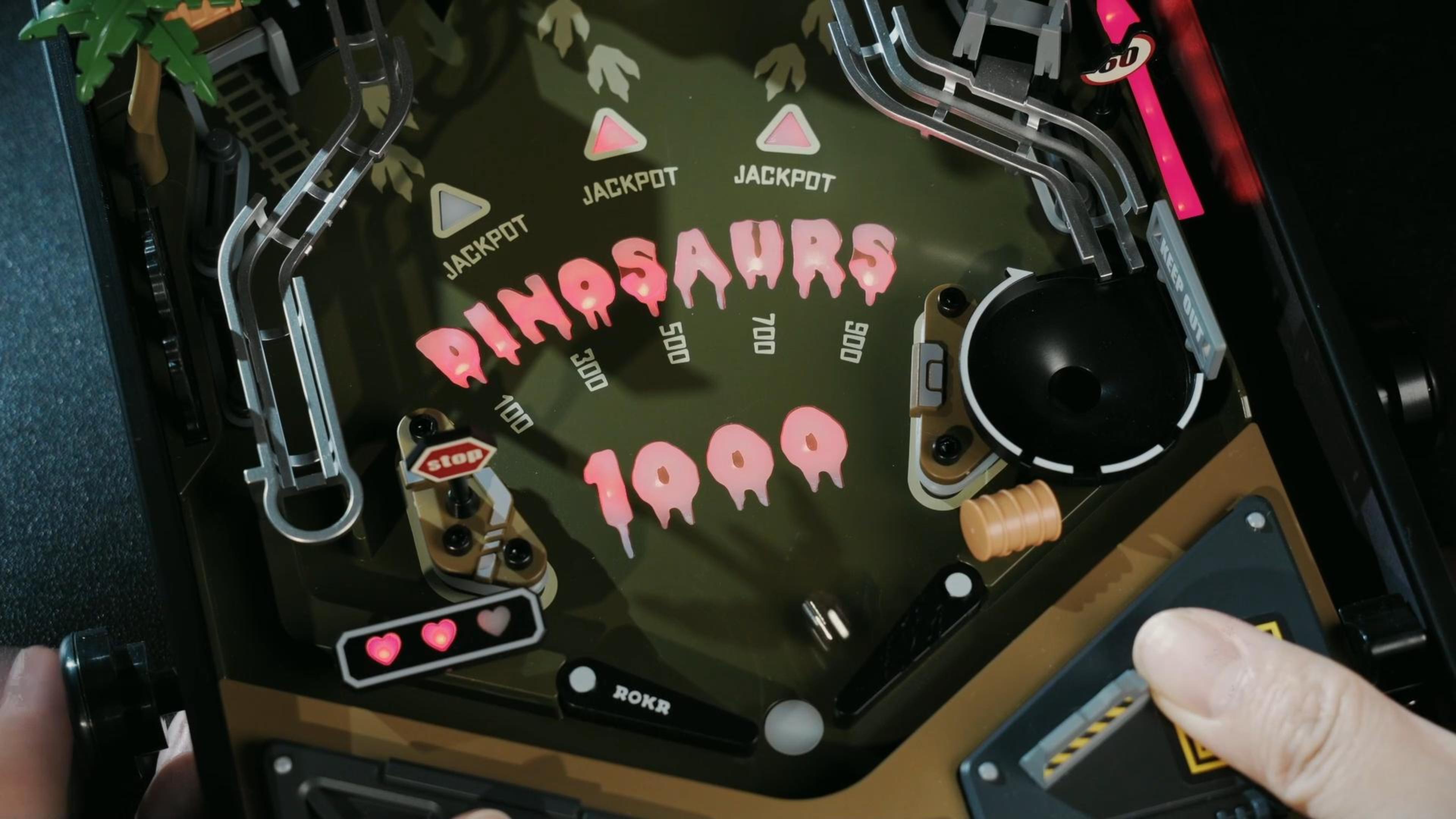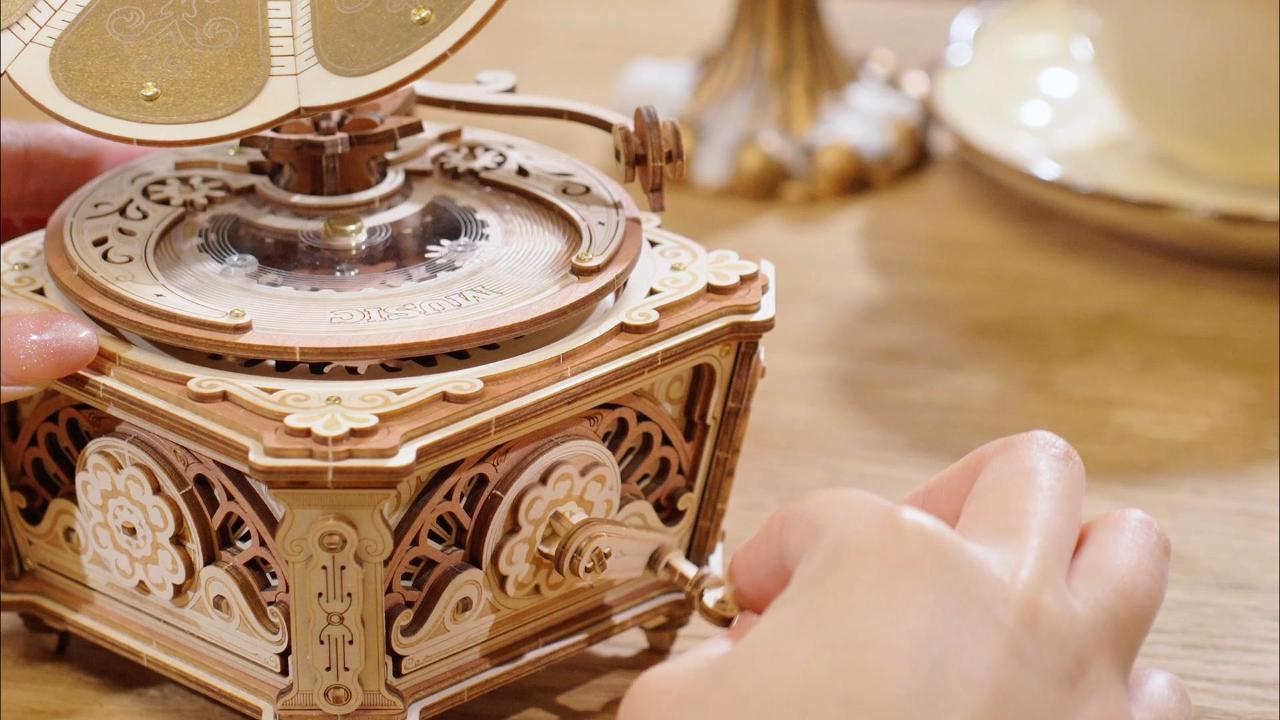

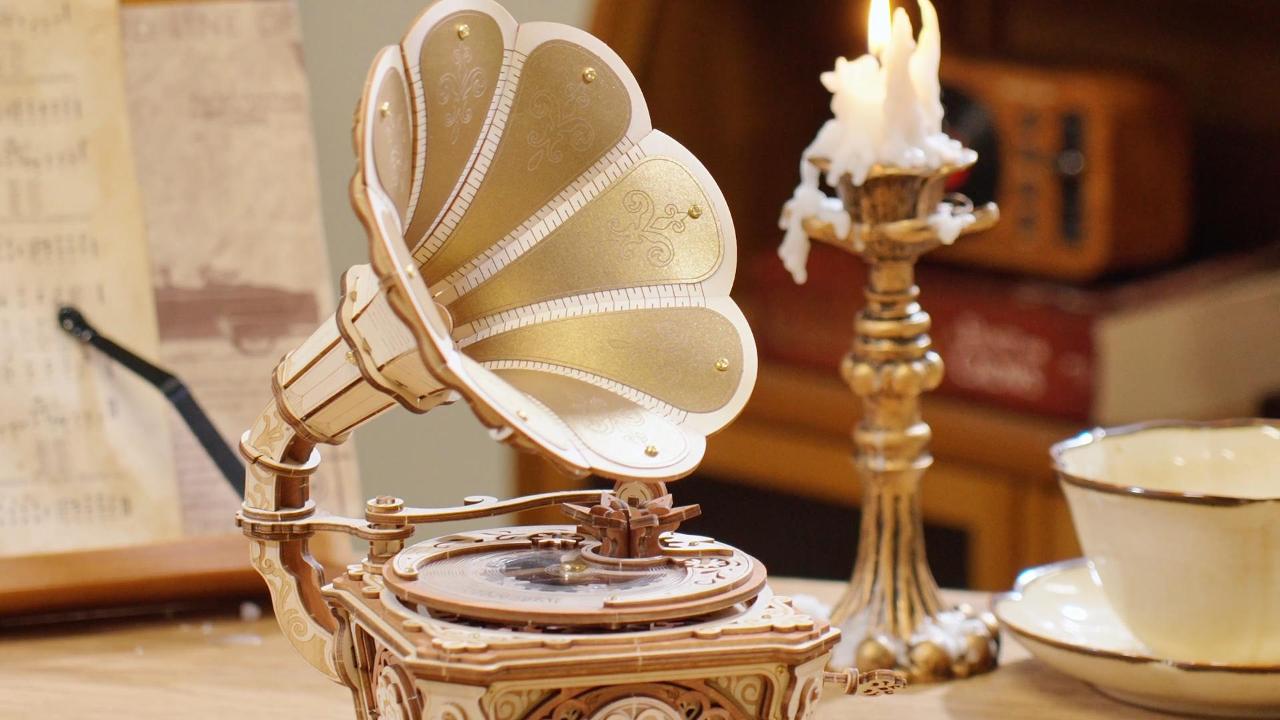
Se sei nuovo nel mondo diPuzzle 3D, potresti rimanere sorpreso da quanti tipi ce ne siano. A un certo punto, potresti trovarti in una situazione difficile, scegliendo tra kit senza colla e kit con colla. Esploriamo entrambi.
Trovare la soluzione giusta
Passiamo subito a vedere qual è la differenza tra questi tipi di puzzle 3D.
I kit di modelli in legno senza colla si basano su sistemi ad incastro. I pezzi si collegano utilizzando linguette, fessure, perni e giunti progettati che tengono tutto insieme. Marchi come ROKR utilizzano giunti a mortasa e tenone, mentre alcuni marchi usano tecniche come le code di rondine scorrevoli e la costruzione a strati per creare modelli che rimangono assemblati senza adesivi.
I kit in legno che richiedono colla possono ancora includere parti ad incastro, ma si basano su adesivi per ottenere permanenza. Invece di fare affidamento esclusivamente sulla pressione e sulla precisione, questi kit utilizzano un legame liscio tra legno e legno per gestire il peso, rinforzare i materiali e compensare piccole imperfezioni di fabbricazione. In breve, la colla deve diventare parte della struttura stessa, non solo un'opzione.
Perché i kit senza colla sono così apprezzati dai principianti
Spesso senti questo, e qui ci sono i motivi.
Pura beatitudine di precisione
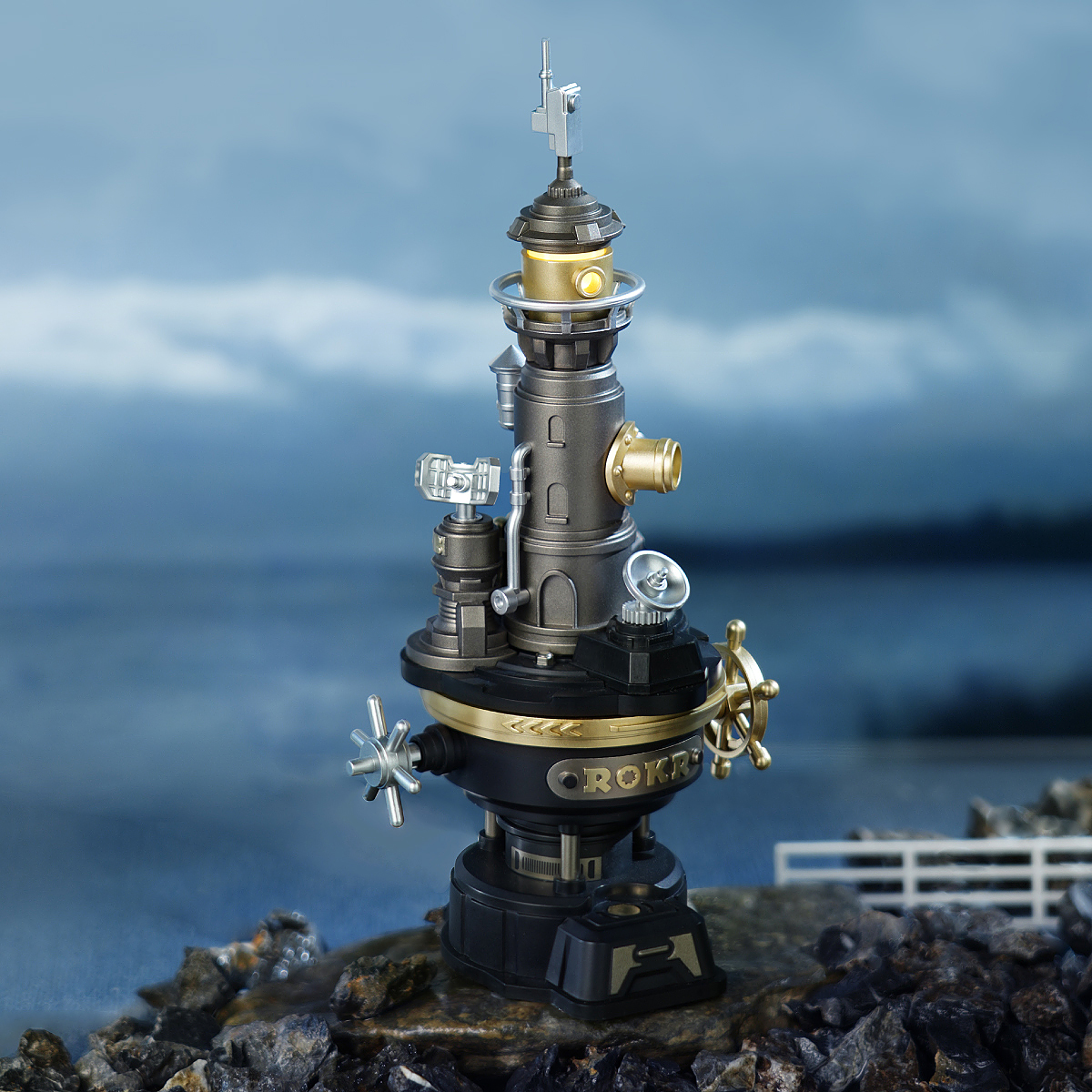
Un vero modello senza colla vanta precisione e alta qualità. Non c'è spazio per scorciatoie: ogni giunto deve sostenere il carico, distribuire la forza e bloccarsi in modo sicuro da solo. Questo di solito significa ingegneria più precisa, un migliore controllo della produzione e materiali più coerenti. Quando un kit funziona effettivamente senza adesivi, è un chiaro indicatore che il design e la produzione sono stati eseguiti correttamente.
Riutilizza, riavvia, riproduci
Poiché nulla è attaccato in modo permanente, puoi smontare il modello se necessario, ad esempio se hai commesso un errore o vuoi rivivere l'esperienza di assemblaggio. È anche ideale se desideri passare il kit a qualcun altro. Questo rende i kit senza colla particolarmente adatti ai principianti, perché gli errori non sono definitivi. E come qualcuno nuovo nel hobby, avrai sempre bisogno di un margine di errore.
Nessun disordine, manipolazione più sicura
Nessuna colla significa niente fuoriuscite, niente dita appiccicose, niente incollare accidentalmente le dita insieme e niente segni di applicazione irregolari. Non devi preoccuparti che l'adesivo in eccesso influisca sull'aspetto del tuo modello o interferisca con pezzi delicati. Per le costruzioni con ingranaggi, pendoli o motori a elastico, questo è un grande vantaggio, poiché la colla in eccesso può facilmente bloccare le parti mobili.
Lezioni STEM che restano impresse
Alcune persone pensano che le giunture visibili riducano il realismo, e questo è possibile. Ma per marchi come ROKR che hanno fatto di queste giunture una parte del loro look steampunk distintivo, le connessioni esposte evidenziano effettivamente come tutto funzioni e aiutano gli studenti a comprendere i principi STEM di base. È solo una questione di grande design e tanta creatività.
Se stai appena iniziando, ROKRPuzzle 3D per principiantisono un buon punto di partenza perché ti danno la soddisfazione di costruire con le mani senza far sembrare il processo opprimente.
Perché è preferibile utilizzare kit che richiedono l'uso della colla
Tutti i motivi sopra non significano che dovresti scartare completamente i modelli in legno che richiedono colla. Anche questi hanno i loro vantaggi.
Attaccato… a qualsiasi cosa
I kit a base di colla di solito utilizzano più del legno. Includono tessuto, plastica, catene metalliche, decorazioni in carta e elementi di illuminazione che non si attaccheranno usando solo linguette ad incastro. Queste costruzioni di solito enfatizzano il realismo, quindi l'uso della colla permetterà al costruttore di giocare con la texture e larghezze ultra-sottili.
Concentrati su ciò che è reale
Oltre a utilizzare una varietà di materiali, i modelli che richiedono colla raggiungono un'estetica pulita senza fessure, linguette e giunti visibili. Questo è particolarmente utile per repliche architettoniche o scene in miniatura che desiderano apparire il più reali possibile.
Legame più forte e permanente
Quando fatto bene, la colla crea un legame durevole che rinforza la struttura e le conferisce stabilità a lungo termine. Se prevedi di spostare o maneggiare frequentemente questi piccoli modelli, le giunture incollate sono un vantaggio poiché l'adesivo blocca le fibre dei pezzi di legno insieme.
Colla appiccicosa per dettagli delicati
Alcuni design includono elementi estremamente fini come motivi simili a pizzo, bordi sottili o spigoli acuti. Questi si romperebbero sotto pressione se forzati in giunti ad incastro. La colla consente di attaccare questi pezzi delicatamente, preservando la loro forma senza richiedere connettori più spessi e meno realistici.
Se scegli la strada che richiede colla, scegliere l'adesivo giusto fa la differenza. Le colle PVA trasparenti come Elmer's sono adatte ai principianti e facili da pulire. La colla per legno Titebond offre un legame forte e affidabile per le parti strutturali. La super colla funziona istantaneamente ma non lascia spazio per aggiustamenti, quindi è meglio usarla con cautela.
Alcuni costruttori utilizzano nastro adesivo per pittori o nastro da imballaggio come supporto temporaneo al posto delle morsetti, specialmente per componenti più leggeri o sezioni delicate dove troppa pressione può causare danni. È una soluzione semplice che mantiene i pezzi allineati mentre l'adesivo si asciuga senza appesantire o aggiungere stress alla struttura.
A volte, una leggera deformazione può essere corretta con un'applicazione di colla controllata e attenta, anche se di solito questo funziona solo per pezzi sottili. Una piccola quantità di colla aggiunge leggermente umidità e flessibilità alle fibre del legno, permettendoti di rimodellare delicatamente un pezzo leggermente deformato e tenerlo in posizione fino a quando non si asciuga. Man mano che l'adesivo si indurisce, blocca le fibre in quell'allineamento corretto.
Prima di concludere l'affare
Ecco il compromesso, però, per i kit in legno a base di colla.
La colla porta vantaggi, ma richiede anche maggiore disciplina nella gestione e nell'applicazione. Spesso avrai bisogno di morsetti, elastici, pesi o, come già accennato, nastro per tenere i pezzi in posizione mentre l'adesivo indurisce. Questo rallenta notevolmente il processo, richiedendo moltipazienzaprima di passare alla fase successiva.
Erroripuò anche essere permanente. Una volta che la colla si asciuga, le regolazioni diventano difficili o impossibili. Se un pezzo risulta leggermente disallineato, correggerlo potrebbe richiedere di separarlo e persino rompere il giunto, il che può danneggiare sia il pezzo che l'assemblaggio complessivo. Questo aumenta la pressione per ottenere gli allineamenti giusti al primo tentativo, specialmente nelle sezioni dettagliate. E se sei un principiante, è un processo di tentativi ed errori con ogni costruzione e tipo di colla con cui stai lavorando.
Ciò ci porta alla questione dieccessocolla. L'adesivo che si infiltra sulle superfici visibili può bloccare la vernice o il lucido, lasciando macchie irregolari durante la colorazione. Anche piccole quantità possono influenzare l'aspetto finale, specialmente sui modelli destinati all'esposizione.
Nel tempo, la conservazione e la preservazione a lungo termine possono essere influenzate se la colla causa lievideformazione E rigidità, ma questo dipende dal tipo utilizzato e da quanto uniformemente è stato applicato. Fattori ambientali come l'umidità possono interagire con l'adesivo, indebolendo il modello.
Cosa si allinea con il principiante
I kit di modelli in legno senza colla e quelli che richiedono colla offrono due esperienze di costruzione molto diverse. I kit senza colla offrono precisione, flessibilità, accessibilità e facilità di assemblaggio, rendendoli ideali per i principianti che desiderano un'introduzione fluida e indulgente a questo hobby. I kit che richiedono colla, d'altra parte, si concentrano sul realismo e sui dettagli super fini, ma richiedono che il costruttore sia esperto e particolarmente paziente per ottenere i migliori risultati.
Ci sono situazioni in cui la colla è la scelta giusta, specialmente per costruzioni decorative complesse o design in materiali misti. Tuttavia, per la maggior parte dei principianti, iniziare con un modello ben progettato senza colla, come unPuzzle in legno 3D ROKR, offre un'introduzione più semplice e piacevole alla costruzione di puzzle 3D, con meno rischi e più spazio per imparare e migliorare lungo il cammino.
Una volta che ti senti pronto per andare oltre le costruzioni per principianti, puoi esplorare costruzioni più avanzate.modelli meccanici ROKRche utilizzano ingranaggi, motori, movimento e ingegneria visibile per creare un'esperienza di costruzione pratica più profonda.