

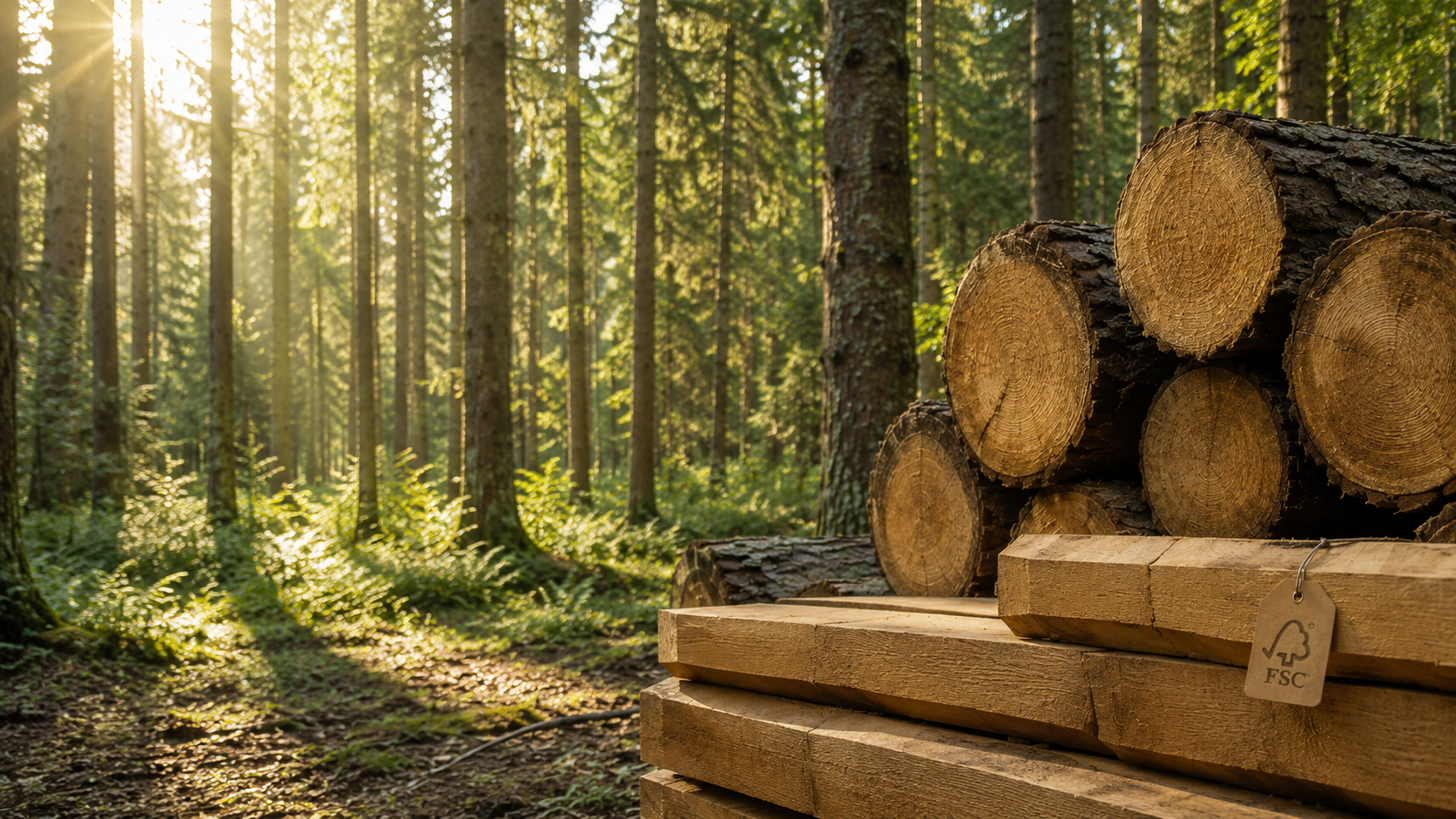
You’re shopping for wooden products and notice different labels on the boxes. There’s a picture of a tree with what appears to be a checkmark at the bottom. FSC 100%. FSC Mix. FSC Recycled. Some products do not have an FSC label at all. These small logos (and the lack thereof) actually say a lot about how the wood was sourced and how forests are treated in the process.
FSC stands for Forest Stewardship Council, one of the most respected and widely recognized organizations focused on sustainable forestry. Founded in 1993, FSC is governed by an international membership that includes environmental groups, forest managers, businesses, and community representatives. Its purpose is to protect forests so they can continue to support life, provide materials, and remain healthy long into the future.
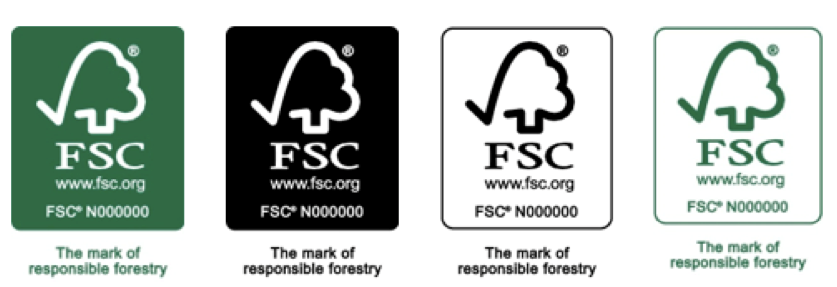
Source: fsc.org
Forests do much more than give us wood. They clean the air and water, support wildlife, and help regulate the climate. FSC exists because unmanaged or careless logging can damage those systems, and responsible forestry lets us use forest resources without sacrificing long-term health.
What FSC Certification Actually Guarantees
FSC certification means wood and paper products come from responsibly managed forests. To earn this certification, forests must meet strict environmental, social, and economic standards.
From an environmental standpoint, forests must protect rare and endangered species, maintain biodiversity, and preserve water quality and soil health. Natural forests cannot be cleared and converted into farmland or industrial zones.
On the social side, workers must be treated fairly. Lumberjacks should operate in safe conditions and receive proper wages. Indigenous communities living in forest areas must be respected, and their consent is required before logging takes place. Their land, traditions, and livelihoods are protected under FSC standards.
Economically, FSC promotes long-term forest management instead of short-term profit. Forests are divided into sections, often referred to as grids. Only one section is harvested at a time, and once trees are cut, that area is left untouched for decades, often around 30 years, to allow full recovery. This system keeps forests productive and resilient rather than depleted.
By maintaining healthy forests, FSC practices also help mitigate climate change. Forests absorb carbon dioxide and play a key role in stabilizing global temperatures.
From Forest to Store Shelf
FSC certification does not end at the forest. It includes a Chain of Custody system that tracks wood from the sawmill to the factory and finally to the store. Every step is monitored and audited by independent third parties. This ensures that FSC-certified wood is not mixed with illegally sourced or harmful materials.
A portion of the revenue from FSC-certified products also supports FSC programs. These funds help combat illegal logging and support education, monitoring, and forest protection initiatives worldwide.
All of this exists to support one long-term goal: to ensure the planet never runs out of healthy forests or responsibly sourced wood and paper products.
Today, FSC oversees millions of hectares of forests across the globe. While the standards are global, they are adapted to fit local forest conditions, climates, and communities. This flexibility, combined with strict oversight, is why FSC is trusted by governments, NGOs, businesses, and consumers worldwide.
Understanding FSC Labels
Those labels on wood products help buyers understand exactly what they are choosing.
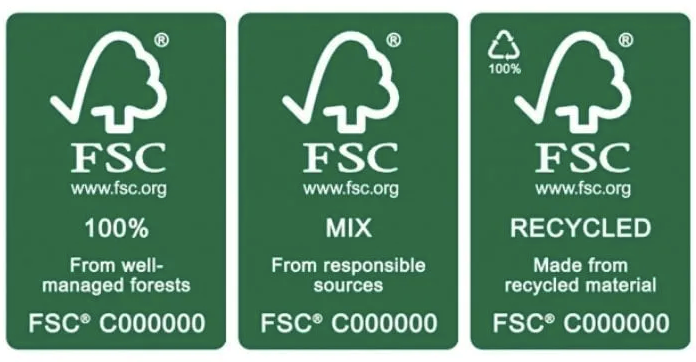
FSC 100% means all the materials in the product come entirely from FSC-certified forests.
FSC Mix means that the product contains a combination of FSC-certified wood, recycled materials, and responsibly sourced non-certified wood.
FSC Recycled means the product is made entirely from recycled or reclaimed wood.
Each label gives consumers a transparent way to support sustainable forestry.
ROKR’s Commitment to FSC-Certified Wood
ROKR has been using only FSC-certified wood on all its brands since 2015. This means every 3D puzzle and DIY kit is made with responsibly sourced materials. The company actively supports biodiversity, ethical labor practices, and sustainable forest management.
Excerpt from the ROKR About Us page
ROKR’s products also meet other safety and sustainability certifications, which help them reach global markets.
ROKR uses high-quality basswood sourced from high-latitude regions in the northern cold zone. This type of wood is valued for its strength, fine grain, and consistency, making it ideal for intricate and precise wooden models.
Beyond sourcing responsibly, ROKR runs a tree planting program to help replenish forests and support long-term environmental balance. This approach goes beyond compliance and reflects a long-term commitment to sustainability.
In many industries, quality and sustainability are rarely found together. ROKR proves that they can. Their kits deliver precision, durability, and visual impact while supporting responsible forestry.
Why FSC Certification Matters to You
Choosing FSC-certified products is one of the simplest ways consumers can make a positive environmental impact. It supports forests, protects wildlife, respects communities, and encourages ethical business practices.
The next time you buy wood or paper products, look for the FSC tree and checkmark logo. When you pick up a ROKR kit and see that label, rest assured you are choosing a product that balances craftsmanship with responsibility.