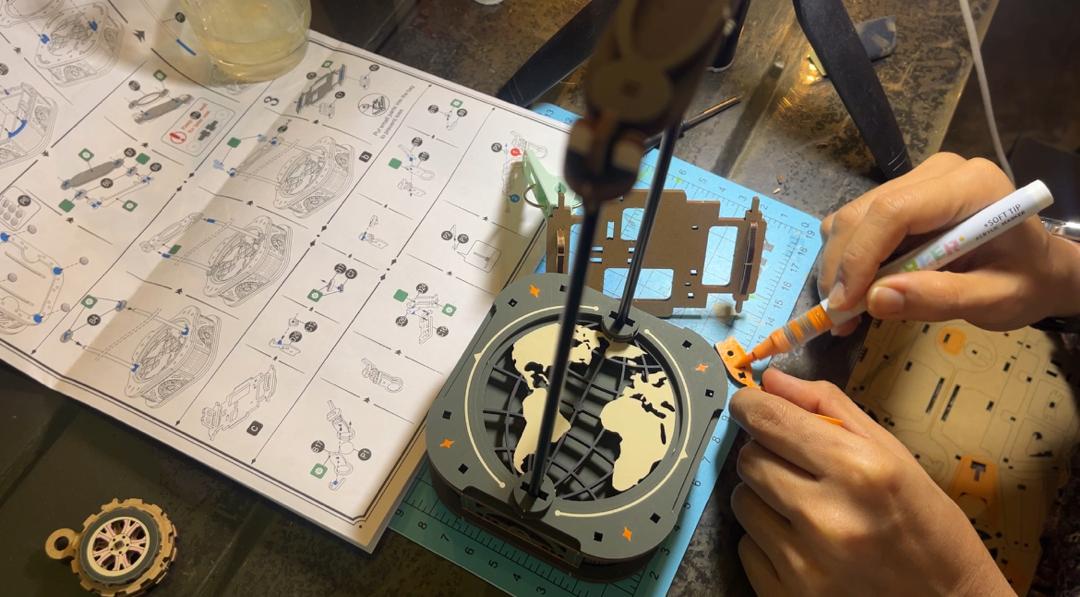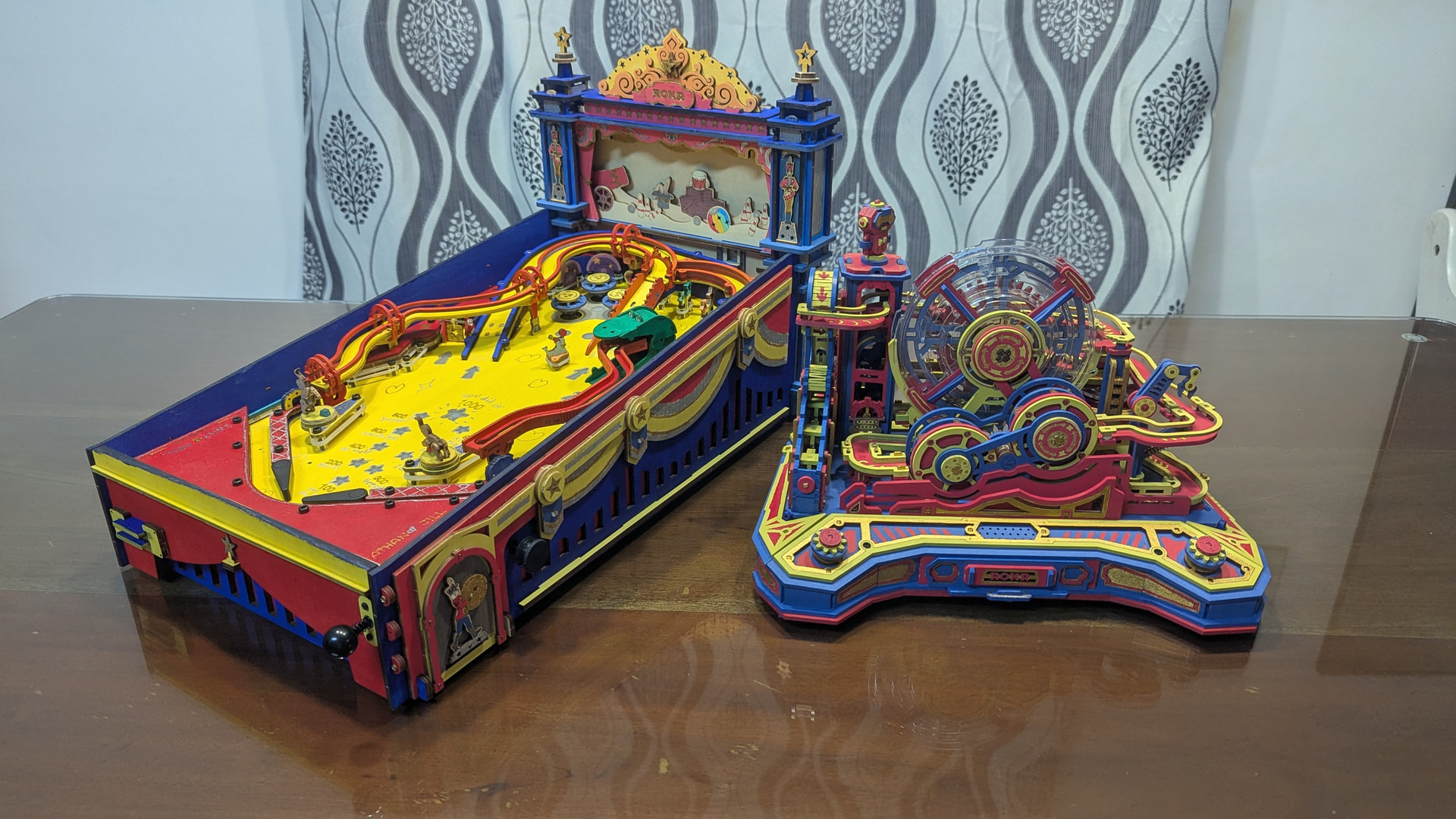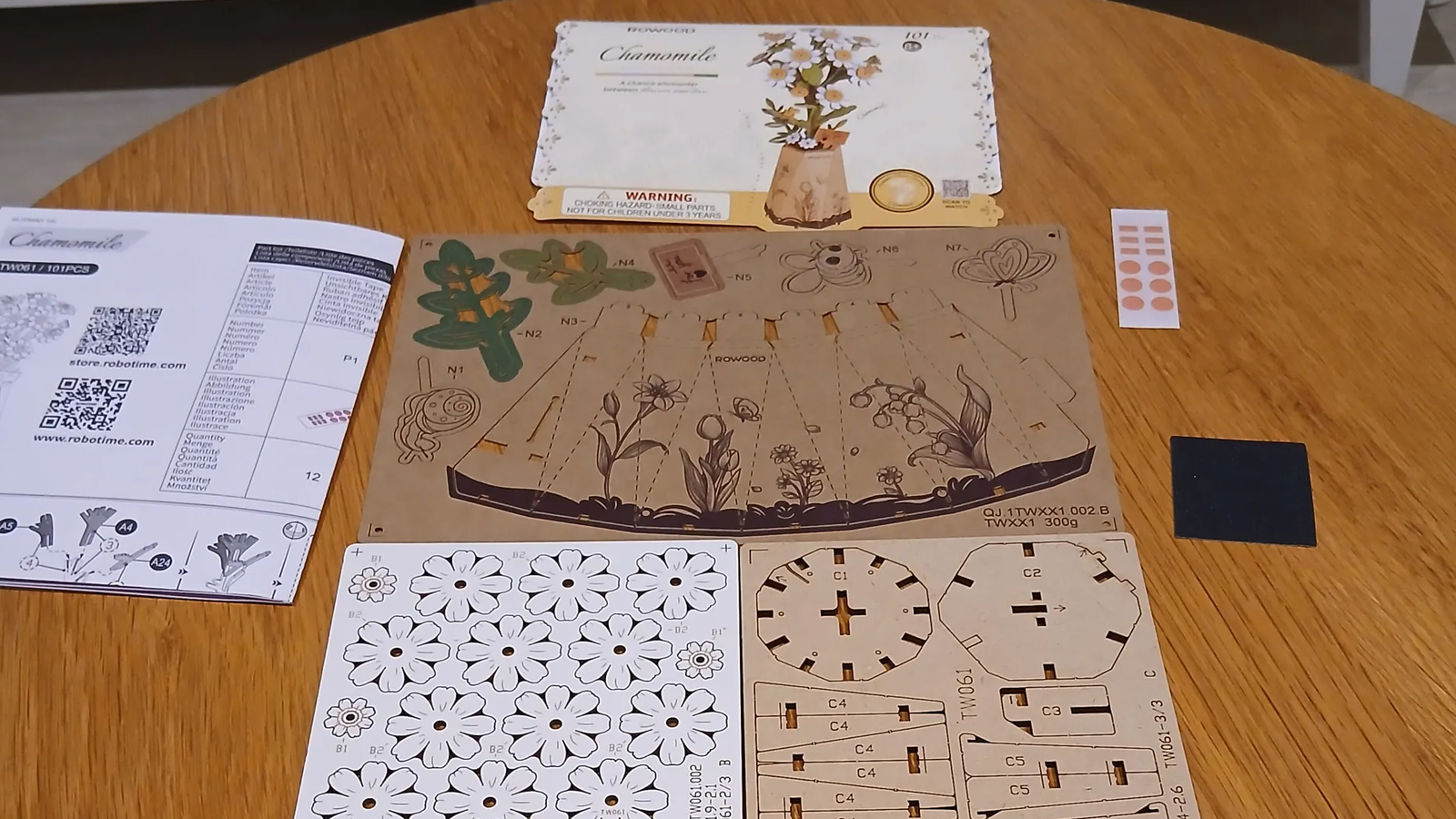
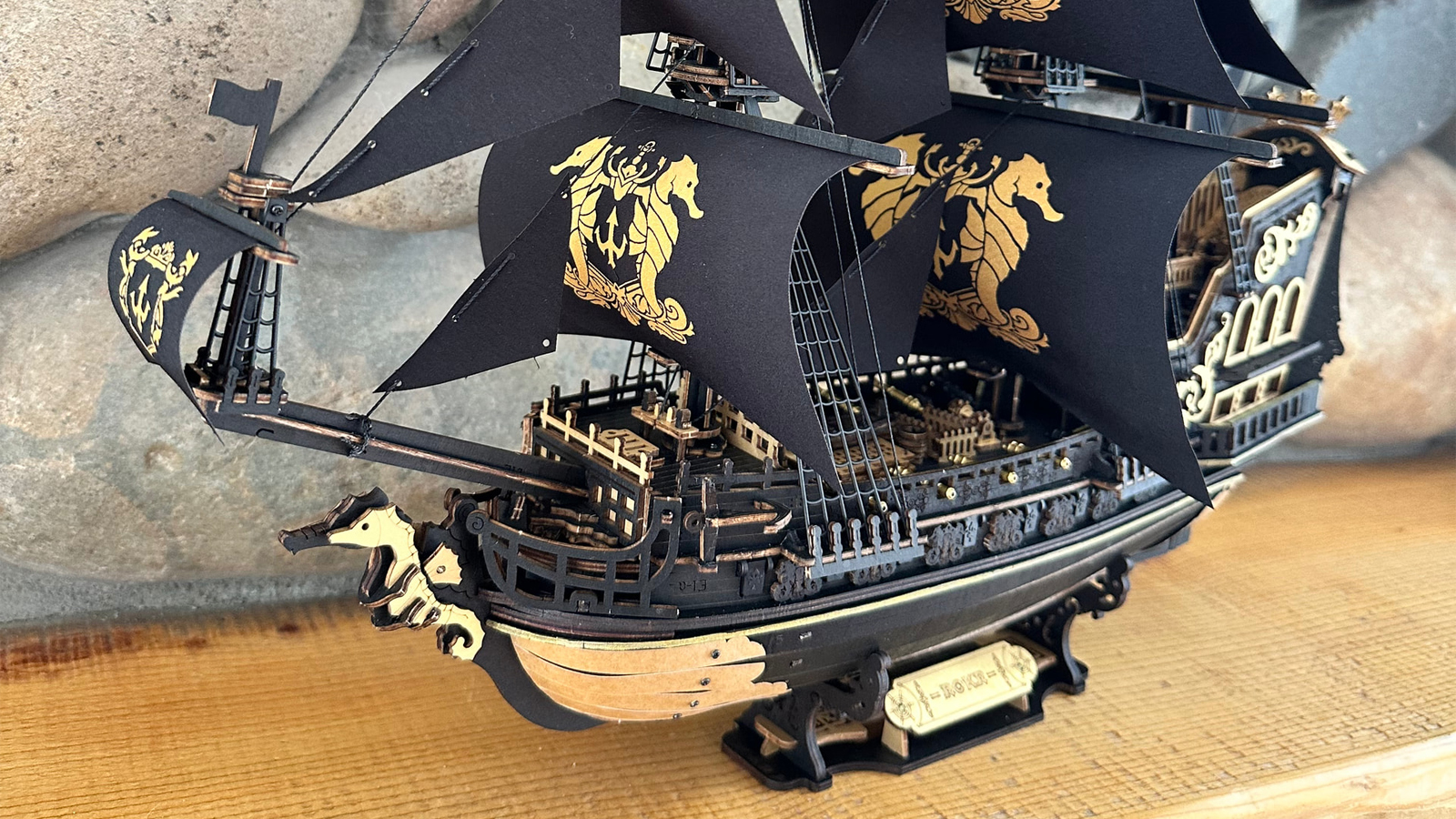
When Mchipman from the Robotime community first unboxed the Seahorse Barque, she did not just see a kit. She saw a challenge she had to conquer. Tiny pieces, hours of focus, and intricate details awaited her, and she dove in with determination and heart.
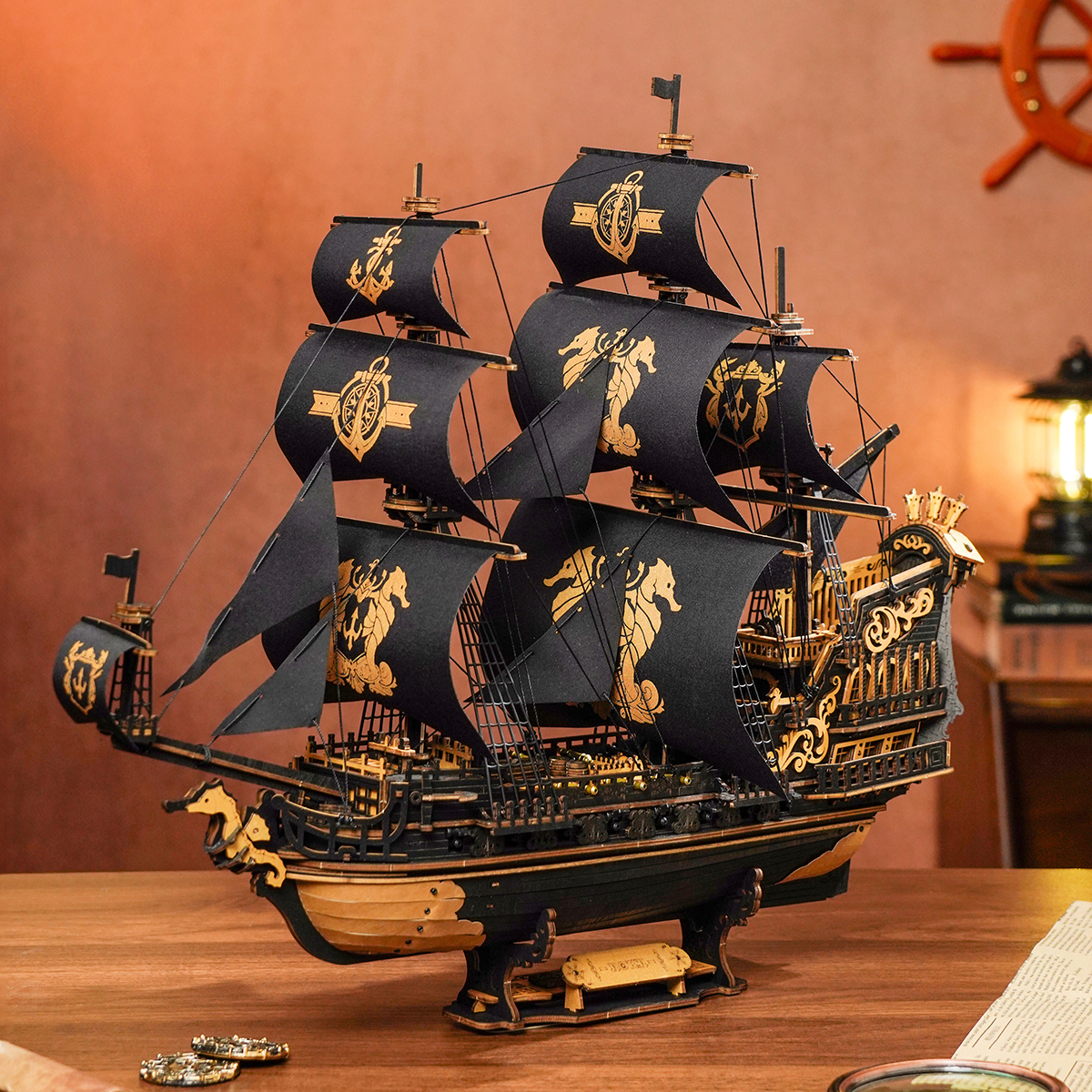
A Builder's First Impression: Awe Before Assembly
From the beginning, the complexity of the Seahorse Barque struck her. It was not simply a model. It was one of the most complex miniature projects she had ever undertaken, full of small parts and impressive details that kept revealing themselves as she worked.
In her own words, "I must say, this is one of the most complex miniature projects I've ever undertaken, boasting an array of tiny parts and impressive details that never cease to amaze. Lots of small parts and amazing details."
The kit asked for patience and precision. Its slender masts, layered structure, and hidden features pulled her deeper into the process. That first sense of awe did not fade. It became respect as she sorted pieces and watched each small wooden part become a glimpse of a grander world.
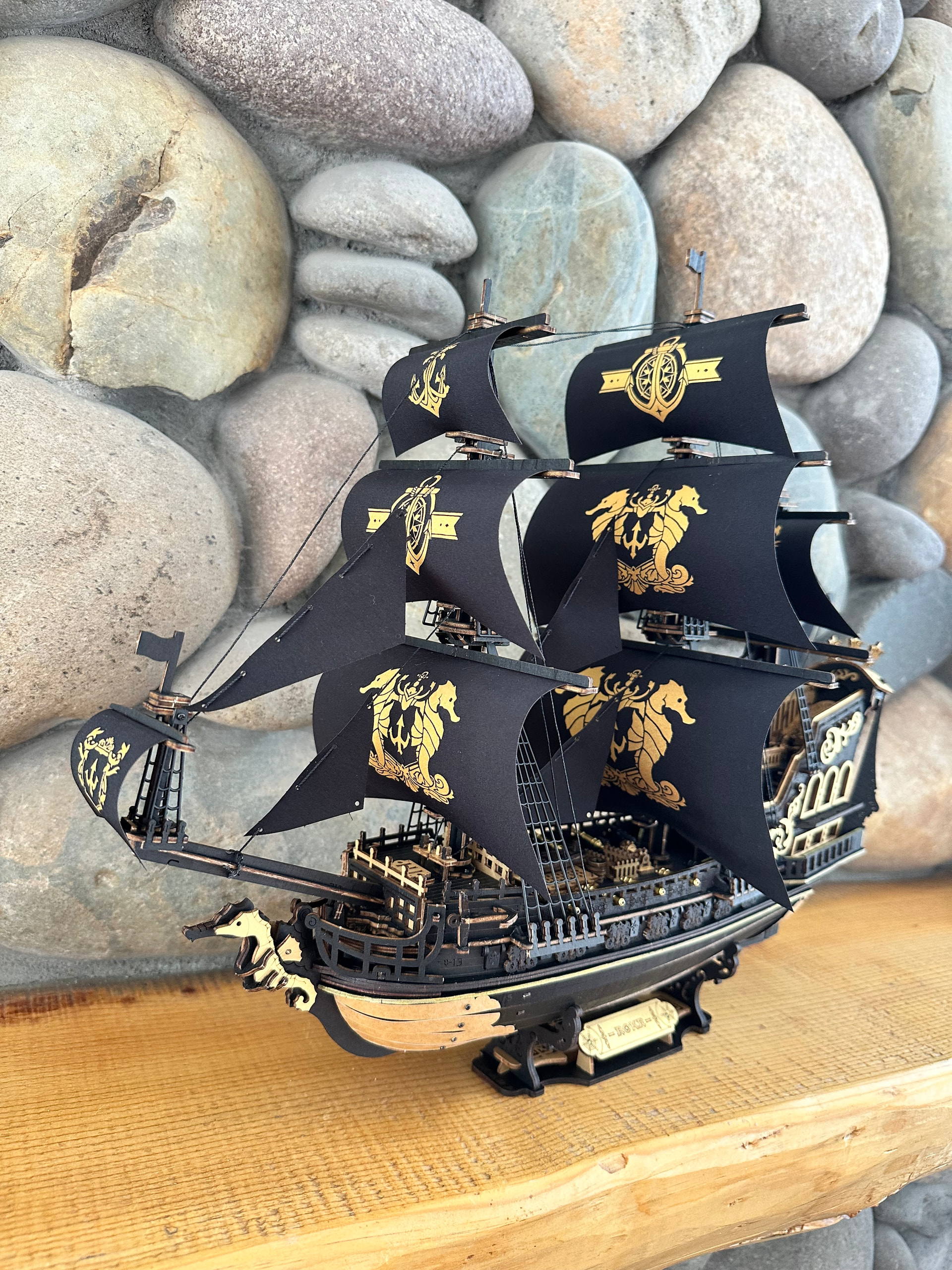
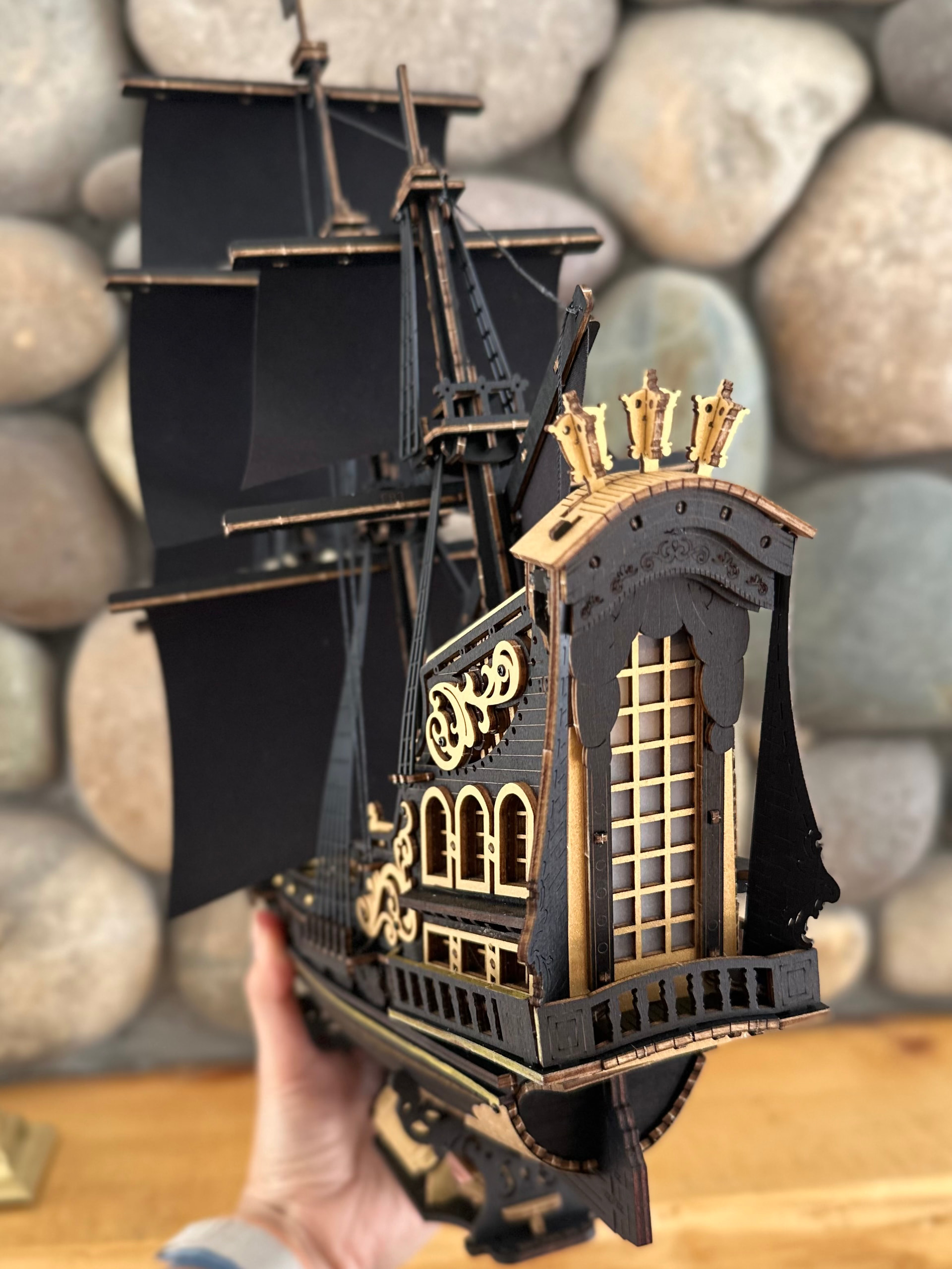
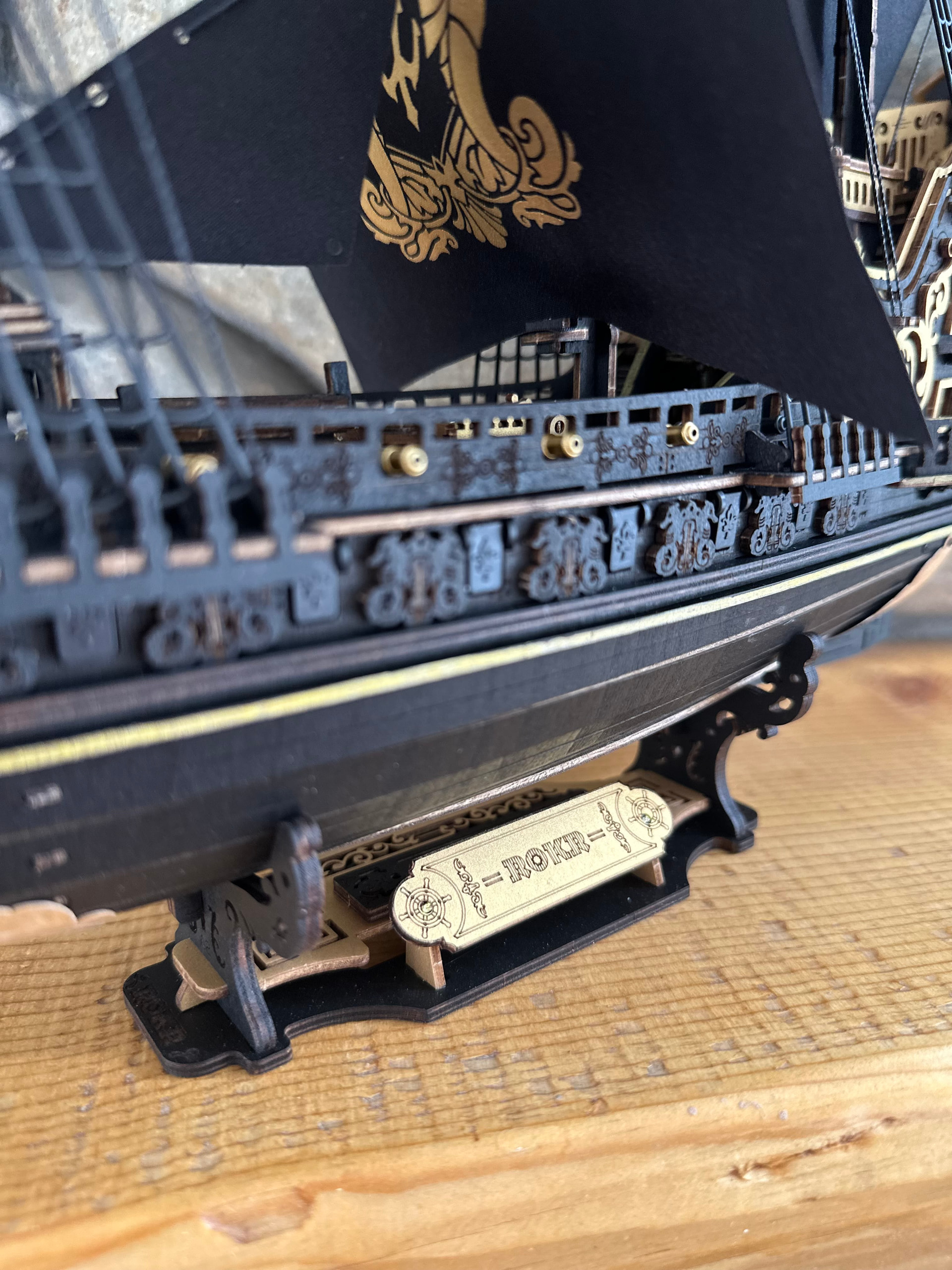
These build photos come from Mchipman's original Robotime Community post, Seahorse Barque is whoa!.
Moments of Struggle and Triumph
The journey was not smooth from beginning to end. There were times when Mchipman felt like stopping, especially when the intricate parts became overwhelming and her patience was tested. Even a small mishap, like her husband accidentally tossing out a board with final parts, could have ended the momentum.
Instead, she laughed it off, adapted, and kept going. A frustrating moment became part of the story. Through it all, she learned something simple and profound: the challenge was part of the reward. Each step forward was a small victory, and as the ship began to take shape, her initial awe became deep admiration.
As she put it, "It's a project that masterfully balances complexity and allure, yielding a final product that's nothing short of majestic and awe-inspiring."
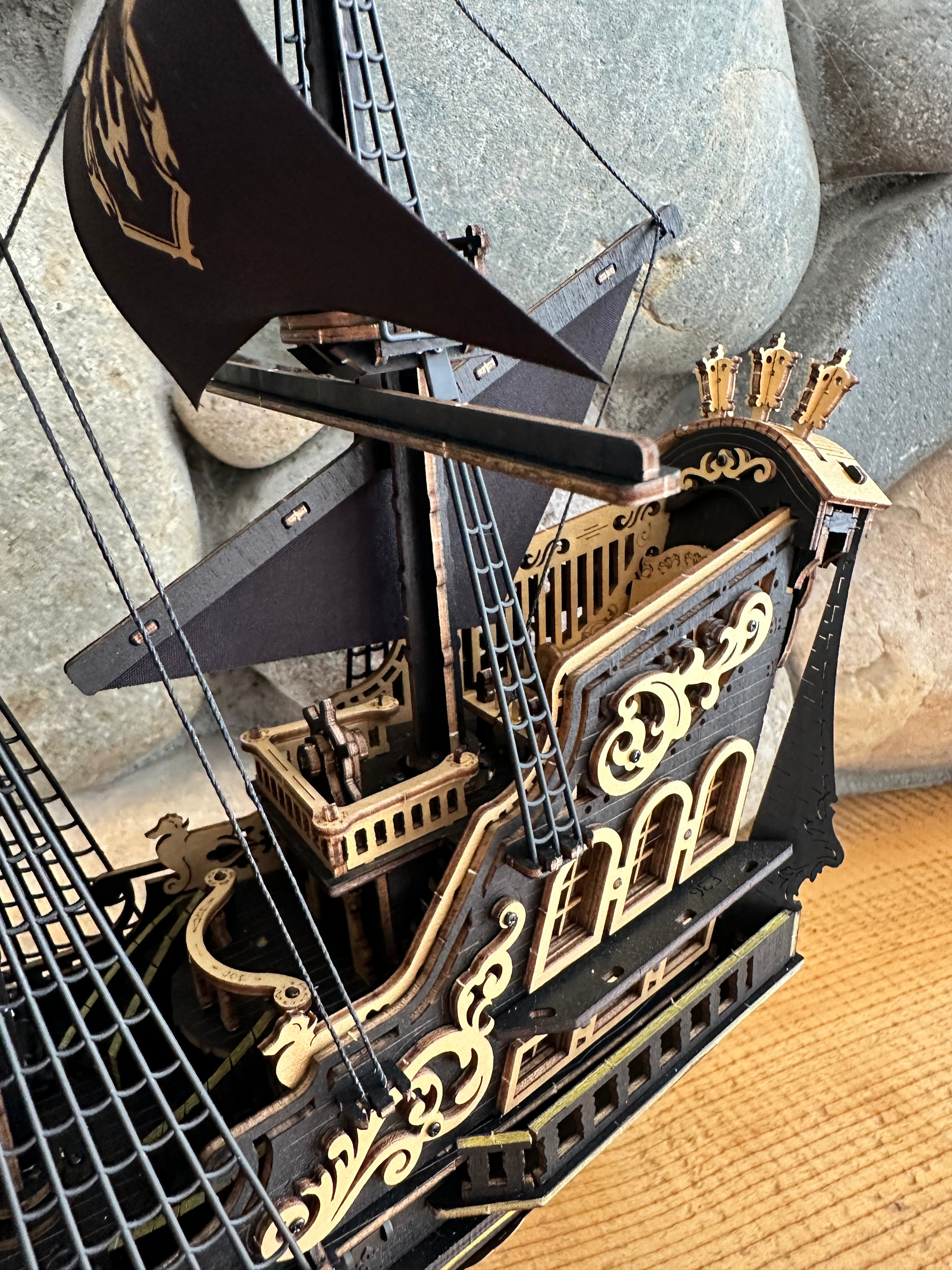
- Patience matters Intricate wooden kits reward slow, steady progress more than speed.
- Small problems are survivable A misplaced part or interrupted step can often be solved with calm sorting and adaptation.
- The final display carries the effort A complex ship model feels meaningful because the builder remembers what it took to finish.
Why This Project Matters to Her, and Could to You
For Mchipman, the Seahorse Barque was not just a hobby. It became a testament to what patience and passion can build. Despite the complexity, she stayed engaged until the very end, even while her arm, still healing from surgery, reminded her that this was not a simple task.
Her message was clear: if she could make progress during recovery, other builders can find their way through a demanding project too.
That kind of encouragement reaches beyond one finished ship. New builders often worry about difficulty, tiny parts, or whether they have enough skill. Mchipman's experience proves that perseverance pays off, and that even intricate mechanical model kits and display builds can become a source of joy and accomplishment when approached one step at a time.
A Piece Worth Sharing
When it was done, the final creation was more than a display piece. It was a story of effort, resilience, and delight. Fellow community members echoed this, celebrating her work and imagining their own builds.
If you are considering the Seahorse Barque, or any intricate Robotime or ROKR kit, Mchipman's journey is a reminder that beautiful, complex, and rewarding projects are worth the time and heart you put into them. For builders who love challenging wooden model kits, the reward is not only what stands on the shelf. It is the confidence built along the way.
Builder Takeaways
Is the Seahorse Barque for beginners?
The Seahorse Barque is better suited to patient builders who are comfortable with small parts and detailed assembly. A careful beginner could approach it slowly, but the six-star difficulty rating makes it a serious project.
What helped Mchipman finish?
Her success came from persistence, humor when something went wrong, and the willingness to treat each completed step as progress rather than rushing toward the finish.