

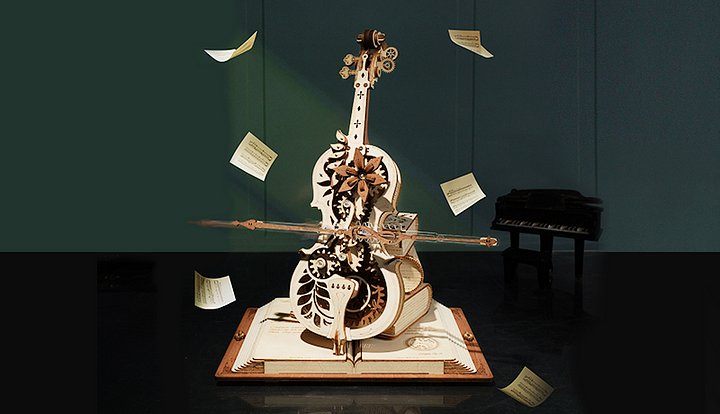
Students often hear that patience and problem-solving matter, but those skills can feel abstract until something physical asks for them. A mechanical model kit makes the lesson visible. A gear must align. A lever must move. A track must guide motion. If one part is rushed, the finished model tells the truth.
That is why mechanical model kits can be useful for hands-on learning. They do not only teach students to follow instructions. They help students slow down, test what they build, notice where a system changes, and try again with a better plan. In that sense, they connect naturally with STEM education: the student is not only absorbing information, but using it to make something work.
A mechanical build turns the learning process into a loop: observe the part, assemble with care, test the motion, adjust one thing, and explain what changed.
Patience Becomes Visible When Parts Depend on Each Other
Patience is not the same as waiting. In a mechanical build, patience means paying attention before moving forward. Students must compare the diagram with the part in their hand, check orientation, press gently, and notice whether the step feels right. That small pause builds a habit that matters far beyond the kit.
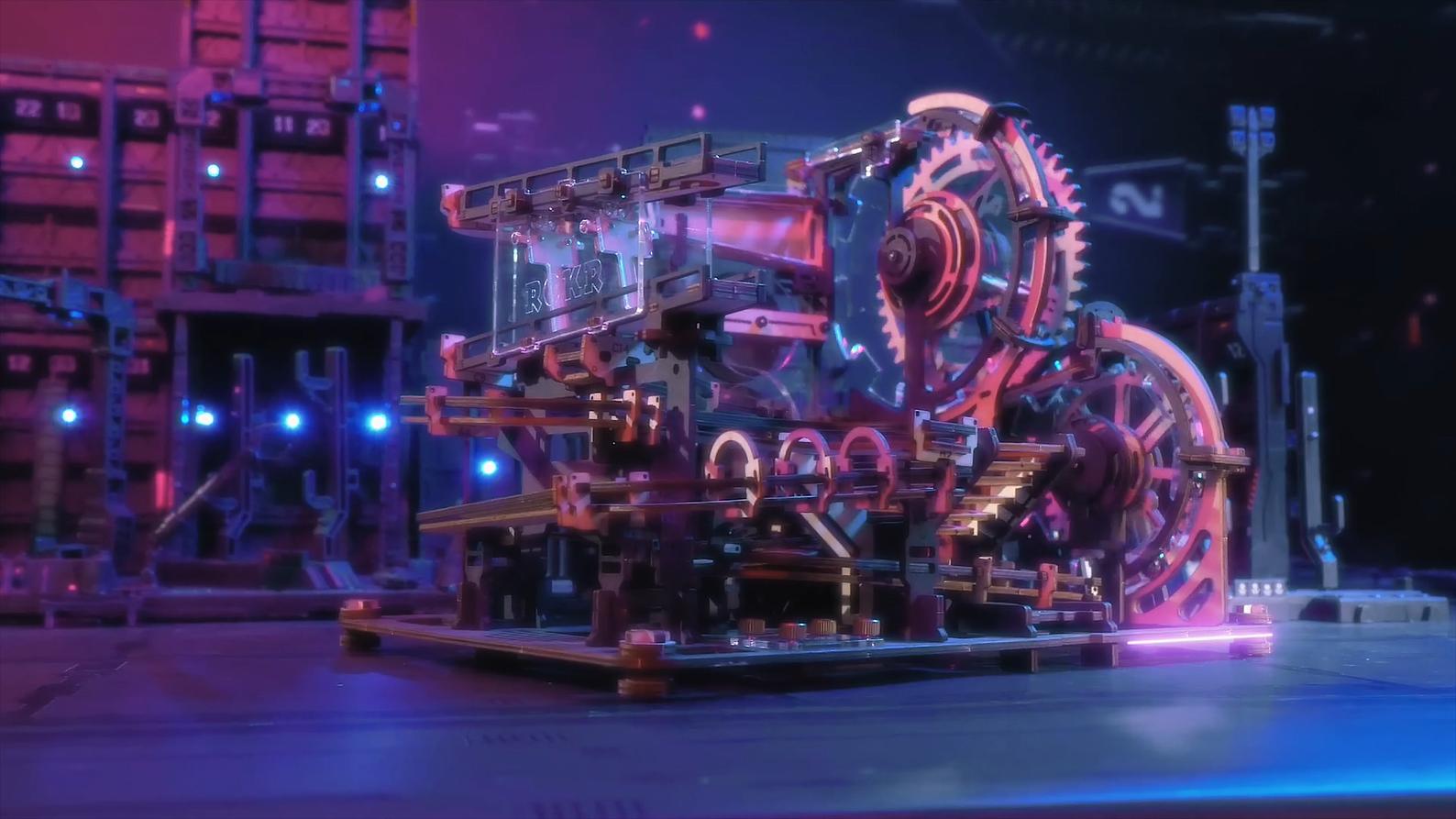
The ROKR Mechanical Models collection is built around interactive DIY kits with dynamic motion, gear systems, and mechanical principles. Those features make patience practical because a student can see how early decisions affect later movement. A neat joint, a correctly seated shaft, or a smoothly aligned gear can determine whether the next step works.
- Sequencing Students learn that later steps depend on earlier choices, so skipping ahead can create hidden errors.
- Focus Small parts require calm attention, not speed, which helps students practice staying with one task.
- Careful handling Mechanical kits reward steady pressure and accurate placement instead of force.
- Responsibility When a mechanism does not work, students can retrace their own process and find the point to improve.
Testing Is Built Into the Model
Many school assignments hide feedback until the end. A mechanical model gives feedback throughout the process. A wheel turns or it does not. A key presses smoothly or it catches. A marble moves through the route or stops at one section. That kind of feedback is direct, physical, and easier for students to understand.
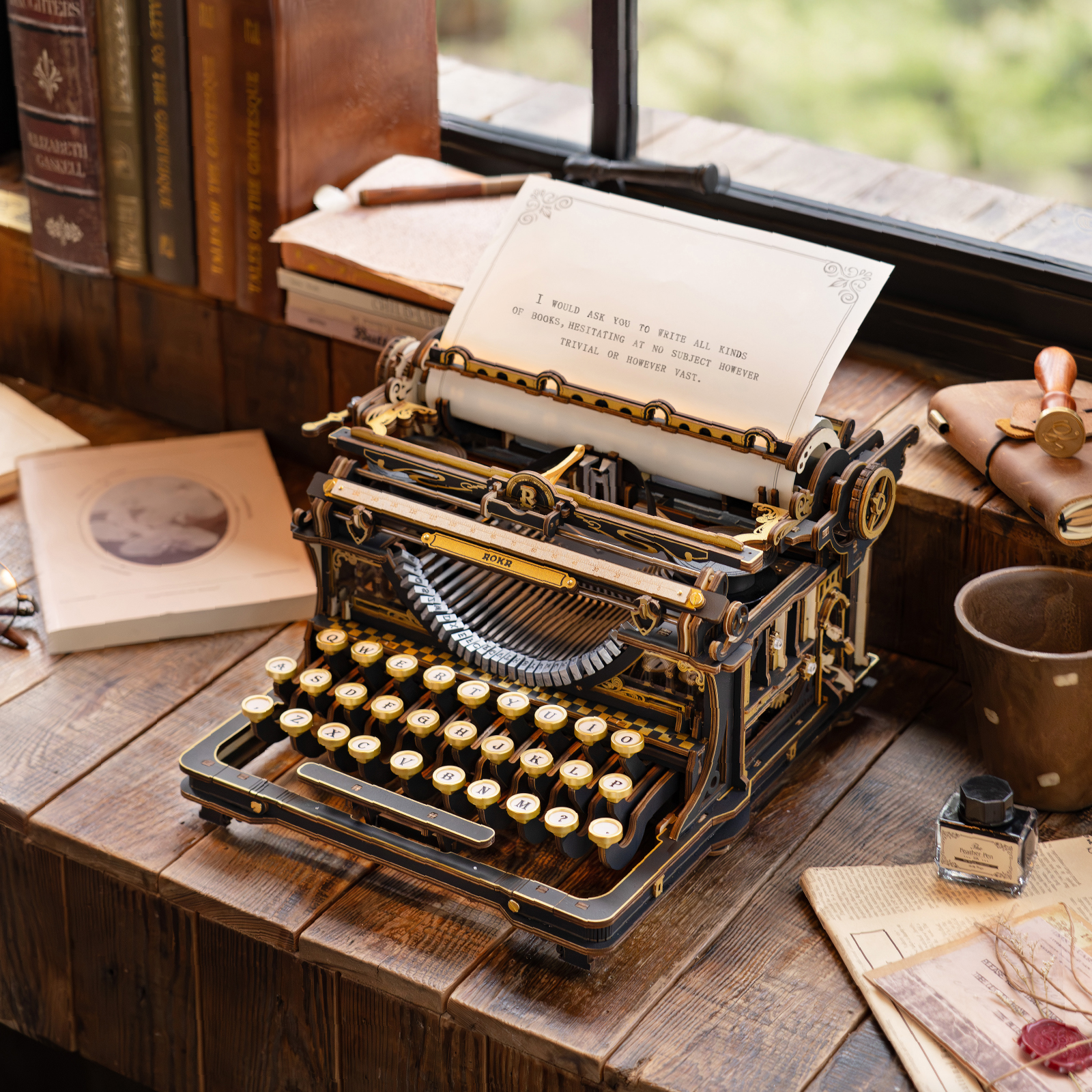
A model such as the ROKR Mechanical Typewriter LK703B is especially useful as an example because the finished object depends on linked mechanical details, from the keyboard area to the carriage structure. Students can understand that function is not magic. It is the result of many small parts working together.
Iteration Turns Mistakes Into Data
Iteration is the habit of improving through repeated attempts. For students, this is one of the most valuable lessons a mechanical model can teach. If the model does not move as expected, the result is not simply failure. It is information.
Maybe one part is backwards. Maybe a contact point needs smoother movement. Maybe a section was assembled correctly but tested too late. When students learn to change one variable at a time, they begin to think like builders and young engineers: identify the problem, make a small adjustment, test again, and compare the result.
| Build moment | Student action | Learning habit |
|---|---|---|
| A gear or shaft feels tight | Stop, compare the diagram, check orientation, and test gently. | Patience and careful diagnosis |
| A moving part does not respond | Trace the connected parts instead of forcing the mechanism. | Systems thinking |
| A marble slows or stops | Change one section, run the test again, and note the result. | Iteration and evidence-based adjustment |
| The final model works | Explain which steps mattered most and why. | Reflection and communication |
Marble Runs Make Testing Obvious
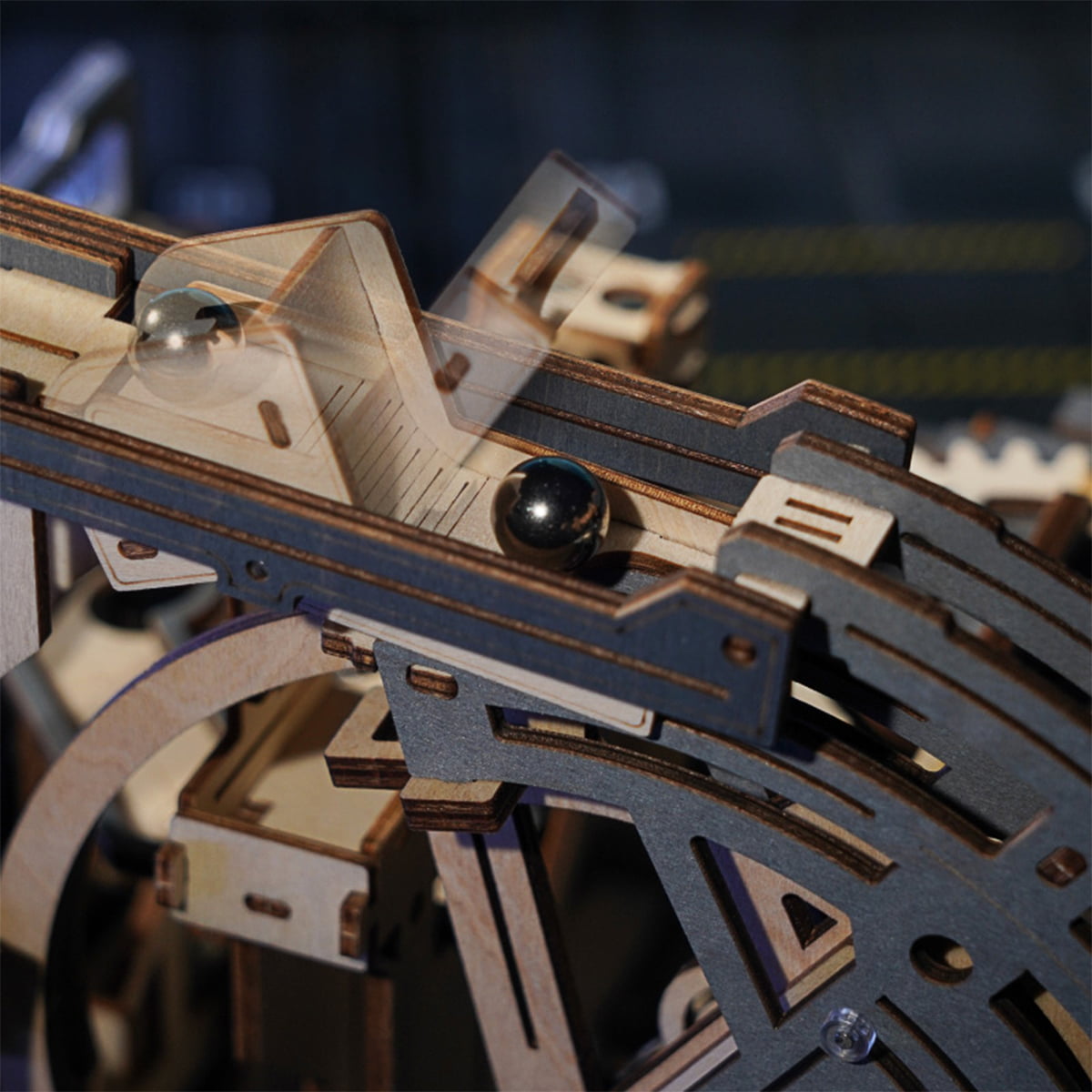
A marble run is a strong mechanical learning example because motion is easy to observe. The ball either travels through the route or it reveals a problem. Students can test slope, timing, track direction, friction, and cause and effect without needing a formal lab setup.
The ROKR Marble Run collection focuses on mechanical 3D puzzles with moving tracks and gear-driven mechanisms. With a model such as ROKR Marble Spaceport LGC01, students can connect building decisions with a visible test: does the marble keep moving, and where does the system ask for attention?
For a classroom or family activity, ask students to test before and after one small adjustment. The goal is not only to make the model work, but to explain why the adjustment changed the result.
Mechanical Kits Support Student Confidence
Mechanical model kits are helpful because they make progress tangible. Students can see a flat board become a working structure. They can point to a section they assembled, a problem they solved, or a motion they improved. That physical evidence can build confidence, especially for students who do not always feel successful in worksheet-based learning.
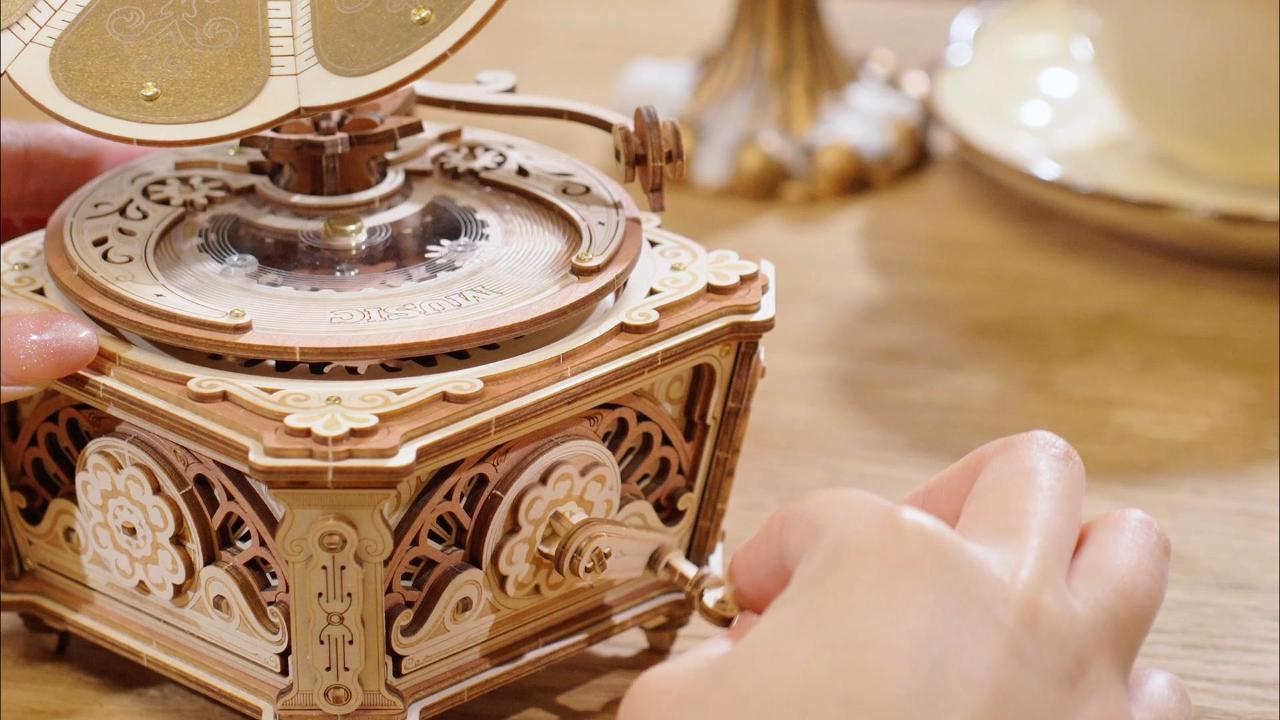
Smaller mechanical kits can also help students connect history and communication with hands-on building. The ROKR Morse Telegraph CGM02, for example, uses a telegraph key, code alphabet graphics, and mechanical details to turn an old communication idea into something students can inspect and discuss.
.jpg?w=1200&h=1200)
How to Use Mechanical Model Kits for Learning
A kit becomes a better learning tool when the adult frames the process around questions rather than speed. The point is not to finish first. The point is to notice how the model responds to careful work.
- Preview the mechanism and ask what the finished movement should do.
- Build one section slowly, then stop before the next major step.
- Test any moving part while it is still accessible.
- If something catches, change one thing instead of taking the whole model apart.
- Ask the student to explain what changed after the second test.
- Record one lesson learned before continuing.
Choosing the Right Kit for Patience and Iteration
The best kit for this kind of learning is not always the hardest one. A student should feel challenged enough to slow down, but not so overwhelmed that every step becomes frustration. This is where kit design matters.
If the goal is to give students room to test and adjust, a no-glue or interlocking design can help because mistakes are less permanent. ROKR's guide to no-glue vs glue-required wooden model kits explains why flexibility matters for beginners. For more advanced students, the guide to high-quality wooden model kits gives a useful way to think about fit, motion, and mechanical reliability.
FAQ
Are mechanical model kits good for students?
They can be, especially when the activity is framed around observation, testing, and explanation. Students practice patience, sequencing, problem-solving, and confidence through a physical build.
What skills do students practice with mechanical model kits?
They practice reading diagrams, following sequence, testing movement, adjusting mistakes, explaining cause and effect, and staying calm when a build requires more than one attempt.
Should students build alone or with help?
It depends on the student's age, experience, and the kit difficulty. Adult support can be useful for pacing, small parts, and safety-sensitive moments, while the student still makes predictions and explains results.
Mechanical model kits help students because the learning does not stay hidden. Patience shows up in the fit. Testing shows up in the movement. Iteration shows up when a student tries again and can explain why the second attempt worked better.
-.jpeg?w=1080&h=607)