If you’re planning to build a 3D wooden puzzle, the excitement usually starts the moment you open the box. The crisp wooden sheets, the smell of fresh-cut wood, and the promise of seeing a model come alive as you piece the puzzle together can be rewarding. But as simple as it looks, assembly often calls for more than a creative hand.
The right tools can make the process smoother, faster, and more enjoyable. With some practical tools at hand, you can avoid mistakes, protect fragile parts, and keep the project stress-free. Here are some important tools that every builder should keep nearby before starting a puzzle.
10 Tools for Assembling 3D Wooden Puzzles
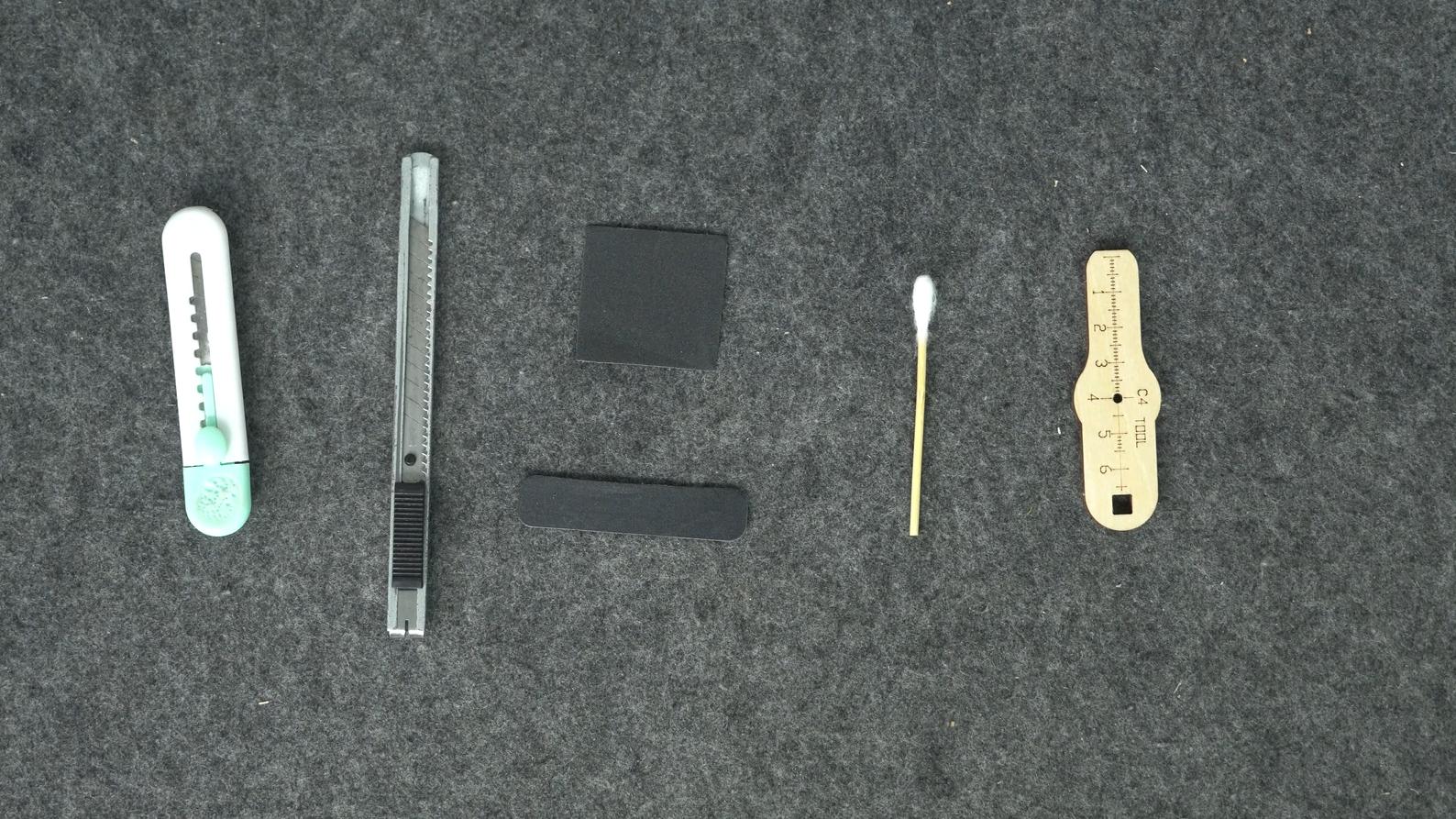
Start with the basics: wax, fine sandpaper, tweezers, good lighting, and a stable work surface solve most assembly problems before they become frustrating.
- For tight joints: use wax first, then sand lightly only if the fit still feels forced.
- For tiny pieces: use fine-tipped tweezers so delicate parts stay straight and clean.
- For trimming: pair a sharp blade with a cutting mat or secure base.
- For accuracy: keep a ruler nearby when a step depends on straight alignment.
- For comfort: choose bright, shadow-free lighting and a work surface you can leave set up.
Having the right tools by your side can make a lot of difference between a stressful build and a smooth, enjoyable experience. When you sit down to work on a 3D wooden puzzle, you’ll want to make sure your workspace is ready and every tool you need is within reach. Here are ten essentials to keep in mind:
1. Wax
When you start assembling a 3D wooden puzzle, some parts may feel too tight to fit together smoothly. Forcing them can lead to cracks or broken edges, which can ruin the final outcome. Wax solves this by reducing friction. A light coat on the edges helps the pieces glide into place without resistance. This small step makes assembly easier and keeps the wood safe from pressure.
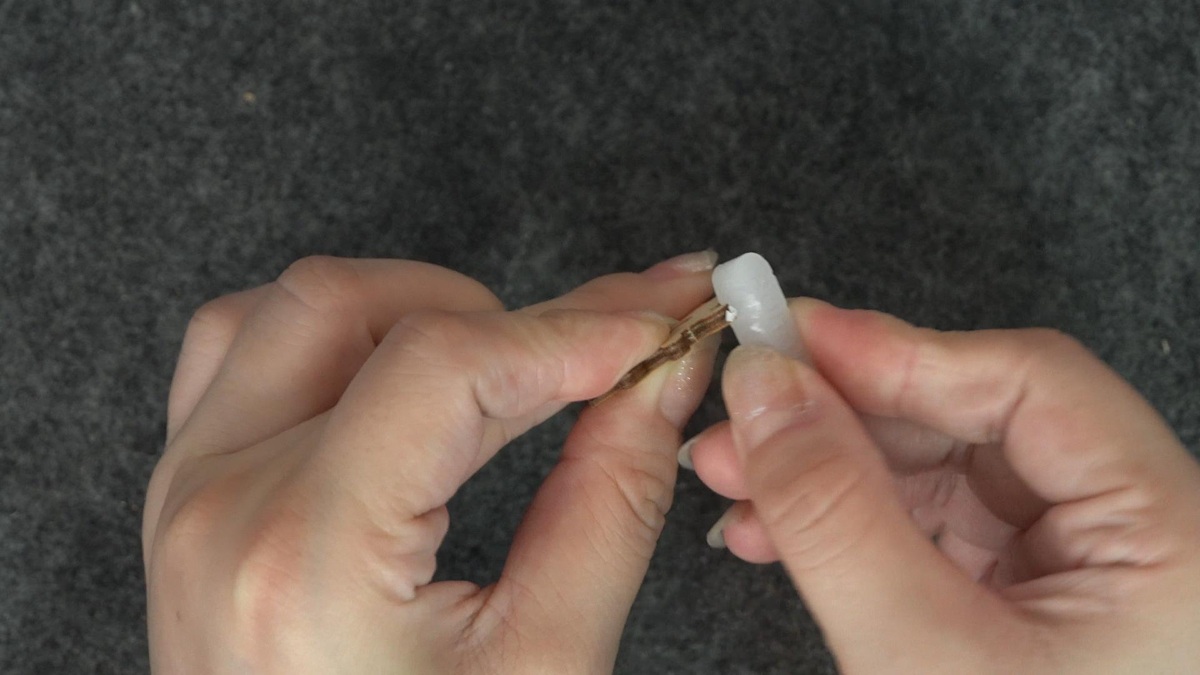
You can use the wax included in kits, which is safe and effective, or natural beeswax (prepared separately). Apply it gently with a cotton swab or soft cloth. Focus only on the joints that feel stiff, and avoid coating every single piece.
Once you try it, you’ll notice a clear difference. The parts will connect with less effort, and the puzzling process will feel smoother and more enjoyable. Wax may be small, but it plays a big role in protecting your puzzle.
Builder tip: test the fit before adding wax. If a joint only needs a little help, coat the contact edge lightly instead of covering the whole piece.
2. Sandpaper or Hand File
When you remove the parts from the template, you may encounter rough edges. This is where sandpaper or a hand file can be very useful. Sanding down uneven surfaces protects delicate joints from unnecessary stress and creates a more natural connection.
-.jpg?w=1200&h=675)
Fine-grit sandpaper or a light hand file is all you need if the kit includes sanding material. Use gentle strokes and take your time to test the fit as you go. Over-sanding can loosen the joint. Therefore, to avoid that, you should make sure you strike a balance. A few strokes are often enough to solve the problem.
Having this tool nearby keeps your project moving smoothly. Instead of struggling with a piece that doesn’t cooperate, you can fix it quickly and carry on with the fun part by bringing your puzzle to life.
3. Tweezers
When you meet some small or delicate pieces, it can be frustrating to place them accurately with your fingers. Tweezers make this much easier. They give you steady control and help you guide tiny parts into the right spots without bending or breaking anything.
Choose a fine-tipped pair for the best results. The slim grip allows you to reach into corners and handle thin sections that would otherwise slip or fall from your hands. With tweezers, you’ll find that even the smallest details of your puzzle become manageable.
Keeping tweezers in your toolkit saves you time and stress. Instead of struggling with tiny parts that are hard to hold, you can place them quickly and confidently. This simple tool can make your work faster and help in achieving an accurate result.
4. Glue
Most 3D wooden puzzles, especially ROKR products, are designed to stay together without extra support, but sometimes you’ll want to make the build stronger. Glue gives you that added security. It helps keep moving parts in place, strengthens joints that feel loose, and makes sure your puzzle stays solid long after you’ve finished assembling it.
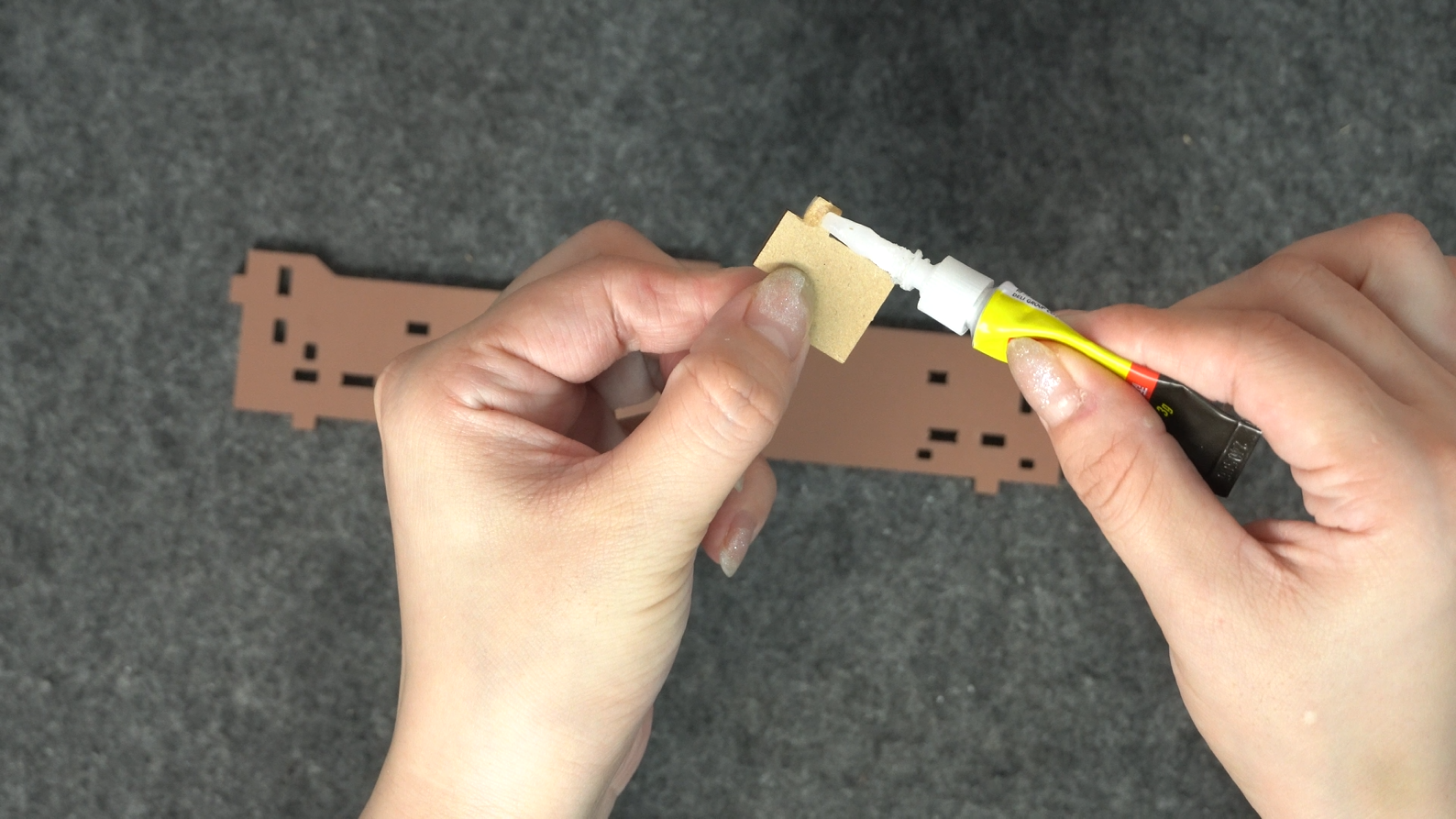
Wood glue or clear craft glue works well for this purpose. To apply them, you can use a toothpick or a fine applicator to add small drops exactly where you need them. Too much glue can stain the wood or affect the appearance, so it is very important that you apply just the right quantity needed to hold it together. Once dry, the bond should be strong enough to hold even delicate parts in position.
Having glue on hand gives you confidence as you build. Instead of worrying about weak connections, you can focus on enjoying the process and knowing that your puzzle will last.
5. Sharp Knife or Blade
Some puzzle pieces may stay slightly attached to the wooden sheet after cutting, and trying to push them out can lead to chips or cracks. A sharp knife or blade helps you separate these pieces cleanly. It also allows you to trim away small bits of wood that prevent joints from fitting perfectly.
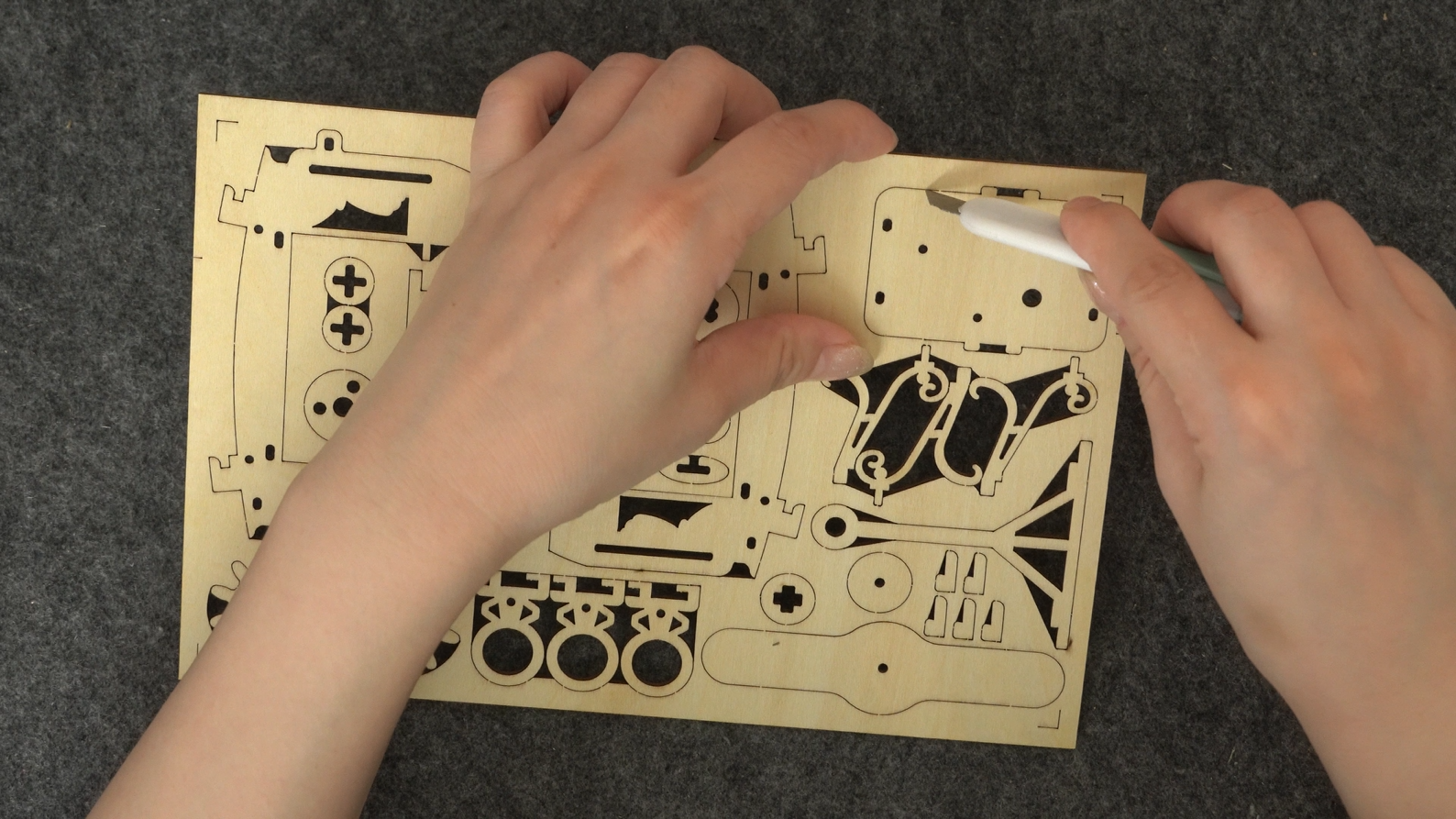
Always work on a safe surface when using a blade. A cutting mat is the best option, as it gives you a steady base while protecting your table. Hold the knife firmly and use light pressure for precise cuts, letting the blade do the work for you.
Also, you can use them to personalize your puzzle by adding some creative cuts to them. Overall, a knife or blade can help keep your work neat and can also play a useful role in customizing your model.
Safety note: blades are useful for clean separation, but they should be handled slowly on a stable surface. Keep fingers away from the cutting path and cap the blade when you pause.
6. Cutting Mat or Secure Base
Protecting your workspace is just as important as protecting your puzzle pieces. A cutting mat gives you a stable, safe surface for trimming and assembling. It prevents scratches on your table and keeps your tools steady while you work.
Mats with grid lines are especially useful. They help you align pieces correctly and make cutting more precise. If you don’t have a cutting mat, use another secure, flat surface that won’t shift while you build. The goal is to create a steady base that supports every step of your project.
Having a proper work area makes puzzle building smoother and safer. You’ll avoid damaging both your furniture and the puzzle itself, and you’ll enjoy the comfort of working on a surface that feels organized and reliable.
7. Ruler
A ruler might not be the first tool you think about when building a 3D wooden puzzle, but it quickly proves its value. Some models require you to align parts at precise distances, and guessing can lead to mistakes. With a ruler, you can measure accurately and make sure each step stays on track.
Metal rulers work best because they are durable and can even double as a cutting guide when paired with a sharp blade. You’ll notice how helpful it becomes when working on straight edges or lining up multiple parts. Even small adjustments look cleaner when measured properly.
By keeping a ruler close, you add an extra layer of accuracy to your build. It’s a simple tool that prevents frustration and ensures your puzzle looks sharp and balanced once it’s complete.
8. Paints and Brushes
Adding paint to your puzzle is a great way to make it stand out. Once the model is built, you can bring it to life with colors, highlights, or simple shading. This step turns your puzzle from a project into a display piece that reflects your personality and creativity.
Acrylic paints are the easiest to work with because they dry quickly and adhere well to wood. Keep both fine brushes and larger ones nearby so you can handle details and broad surfaces with ease. Even a light coat of paint can make a big difference in how the finished puzzle looks.
9. Good Lighting
Clear visibility is one of the most important things to have when building a 3D wooden puzzle. Poor light causes strain on your eyes, makes small details harder to see, and increases the chance of mistakes. Good lighting allows you to focus on the project comfortably and enjoy the process without frustration.
Natural daylight works best, but a bright desk lamp can provide the same clarity when positioned correctly. Angle your light so that shadows don’t hide cuts or joints, and consider using more than one light source if you need to eliminate dark spots. This setup ensures that every piece is seen clearly as you work.
With proper lighting, the whole building experience feels calmer and more precise. You’ll notice how much smoother each step goes when you can see exactly what you’re doing.
10. Work Surface
Every puzzle project needs the right space. A good work surface gives you room to spread out, organize pieces, and build without distraction. Working in cramped or unstable areas often leads to missing parts or accidental damage, which adds stress instead of removing it.
Choose a strong table or desk where you can leave the puzzle until it’s complete. This prevents you from constantly packing it away and allows you to return at any time to continue building. The freedom to pause and resume without worry makes the process much more enjoyable.
FAQ
Do I need extra tools for every 3D wooden puzzle?
Not always. Many kits include the essentials, but keeping wax, tweezers, a stable work surface, and good lighting nearby can make most builds smoother.
Should I sand every piece before assembly?
No. Sand only the edges or joints that feel rough or too tight. Over-sanding can make a connection loose, so test the fit as you go.
Is glue required for ROKR 3D wooden puzzles?
Most ROKR puzzles are designed to assemble without extra glue. Use a small amount only when a joint feels loose or when you want added display stability.
Final Thoughts
Every puzzle you build is a reflection of time well spent. It teaches patience, sharpens focus, and rewards you with something you can proudly display. With the right tools, the process feels smoother and each step becomes more enjoyable.
ROKR puzzles are made for this kind of experience. They are detailed, creative, and built with care, giving you projects worth the effort you put in. When you’re ready to start, choose a model that excites you, set up your tools, and enjoy the journey piece by piece.