
Introduction
For years, education followed a familiar pattern. Students went to classrooms, listened to lessons, took notes, and demonstrated what they knew through tests and exams. This way helped many learners build foundations. But today's world is different, and teachers are looking for better ways to teach and learn.
One approach that has become popular is STEM education. It mixes science, technology, engineering and math through hands-on problem-solving experiences. Instead of memorizing facts, STEM makes students use what they know, work with others and find solutions to real problems.
Both old-style education and STEM education have strengths, but they differ in how they teach, what they aim to teach and what learners experience. Knowing these differences can help parents, teachers, and students choose the way to learn and succeed in the future.
What Is Traditional Education?
Traditional education is a known way of teaching and learning.
In a classroom, the teacher teaches, and students listen, take notes, do homework, and take tests to see if they understand. This method usually focuses on subjects such as math, English, science, history, and social studies. Lessons often use textbooks, class discussions, lectures and individual work.
Students learn in a planned order, which helps them understand more over time. One thing about traditional education is that it teaches basic knowledge. Students learn facts, ideas, rules and skills that help them learn more later. The organized way of classrooms also helps students be disciplined, focused, organized, and good at studying. Some people say traditional education focuses too much on memorization, but it still provides students with a strong foundation for future learning.
Traditional education helps students learn the basics they need for further learning. It helps students get a start in their studies. The traditional classroom helps students learn in a step-by-step way.
What Is STEM Education?
STEM is about science, technology, engineering and mathematics. The goal is not to teach these subjects one by one, but to bring them into projects where students do real work that uses knowledge from all four areas of STEM.
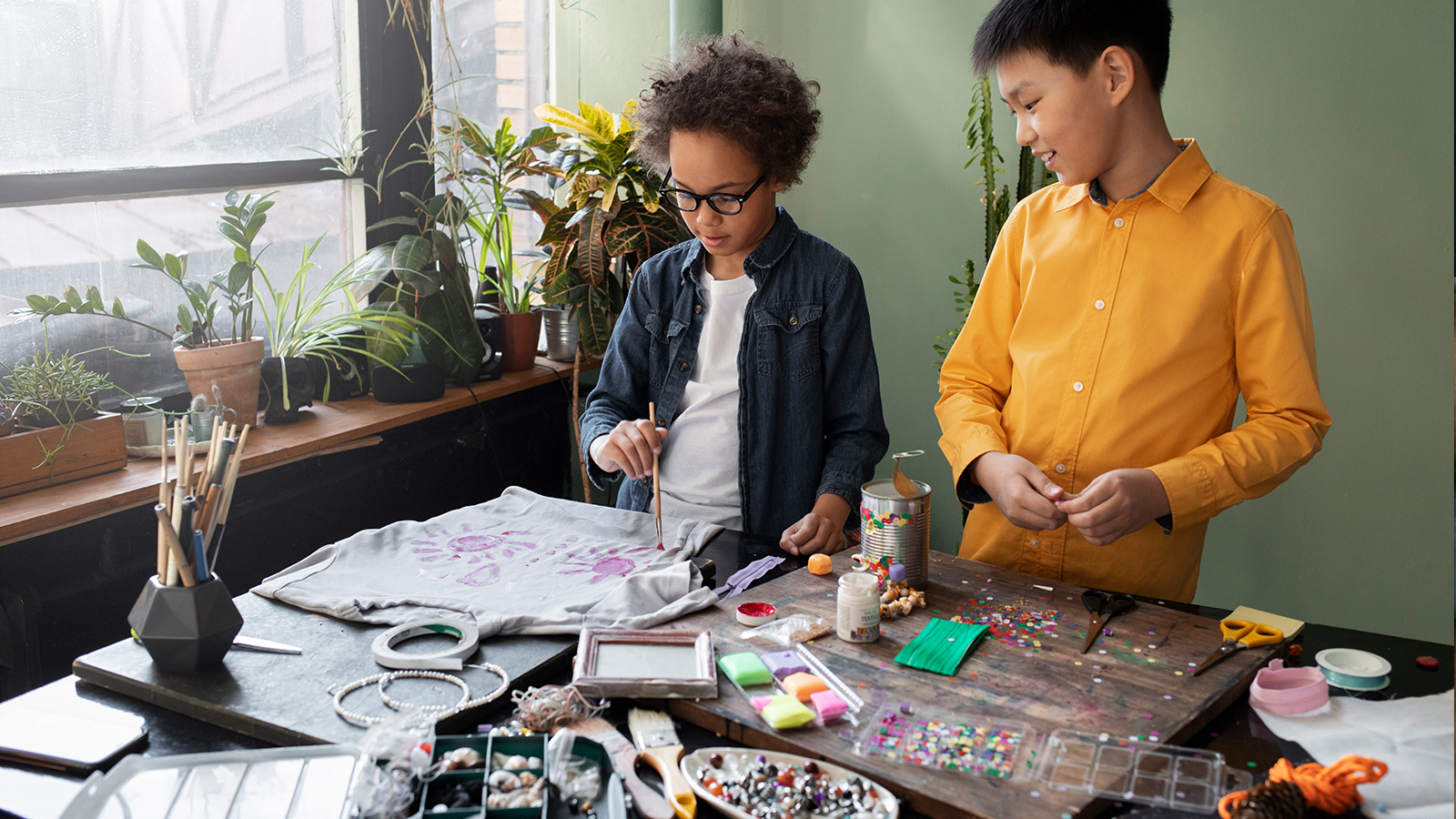
In STEM classes, students do not listen all the time. They do a lot of activities. For example, they might build a model car to see how far it can go. They might design a bridge to see which one is the strongest. They might even write a computer program to make lights blink in a special pattern. When students learn, they try things, make mistakes, and figure out why something does not work. This is how they learn STEM.
For an at-home example, ROKR's guide to 3D animal model kits for STEM learning shows how building can turn abstract ideas into something students can observe, test, and question.
Structured projects such as mechanical model kits can also help families see how patience, motion, and small adjustments become part of learning.
Key Differences Between STEM and Traditional Education
In some cases, the teacher gives students a problem, and then they just watch, asking questions rather than giving answers, while the students work in small groups to plan, describe their ideas, and try out different solutions. The STEM classroom is more active than usual. The students are talking to each other a lot more. The goal of the STEM classroom is not just to learn the facts but to use them to solve problems in the world.
The biggest difference is in how the classroom works every day. In a classroom, the teacher talks and explains things, and the students listen. In a STEM classroom, students get to do hands-on activities, like building, conducting experiments, and working with their friends.
When it comes to what the students should be learning, a traditional school focuses on memorizing facts and understanding theories. You learn the facts, then use them to do well on tests and assignments. In a STEM classroom, students learn skills such as trying different solutions to a problem and learning from their mistakes.
In a classroom, many students just sit quietly, listening or taking notes. Some of them like how quiet it is. In a STEM classroom, the students are moving around, talking about their ideas, changing their plans, and getting excited when something finally works.
The way students are assessed is also different. Traditional schools use written tests and quizzes to see how well the students are doing. But in a STEM classroom, the students are assessed on the projects they complete, how well they can explain what they were thinking, and what they learned along the way. A student can do well on a project like building a robot, even if it does not work perfectly, as long as they can say what went wrong and how they would fix it.
Another big difference is that classroom learning can seem disconnected from everyday life. The things you learn in a classroom can be abstract. You can learn about chemical reactions without actually doing one. In a STEM classroom, the goal is to make learning practical from the start. The students get to see how things work by doing them over again.
| Area | Traditional Education | STEM Education |
|---|---|---|
| Classroom style | Teacher-led lessons, notes, textbooks, and individual work. | Hands-on projects, group discussion, testing, and revision. |
| Learning focus | Facts, theories, rules, and basic subject knowledge. | Problem solving, experimentation, creativity, and practical use. |
| Student role | Students listen, study, practice, and prepare for tests. | Students build, test, explain, adjust, and learn from mistakes. |
| Assessment | Quizzes, written exams, homework, and assignments. | Projects, explanations, teamwork, and the learning process. |
Advantages of STEM Education
STEM is great because it helps students be brave and try things. They learn that making mistakes is part of learning and can actually help them find the answers. This will be useful to them for the rest of their lives when they face problems.
STEM is also good for the mind. It teaches students to look at problems in ways that help them find patterns and generate ideas. These skills are useful no matter what they want to do when they grow up.
Working in groups is another thing about STEM. Students learn to work and share their thoughts and ideas. They see what others are good at and combine their talents to achieve a goal. Most kids find that they can do more when they work together than when they work alone.
What is really cool about STEM is that it is fun. Students like to create things that work like a machine or a useful app. When they make something that works, they feel happy and proud of what they have done. It is a feeling, not just getting a good grade on a test. STEM is fun. It makes students feel good about what they can do.
The Continued Value of Traditional Education
We should not completely forget the way we learn. Traditional methods are still really important. You cannot create technology if you do not know the basics of math and science. Also, being able to read, write and understand history helps you make sense of everything.
Traditional classes help you focus and stay on one thing for a while. Not every class has to be fun. It does not always have to end with something new.
Sometimes you just have to keep thinking about ideas until you get it. This kind of discipline has its benefits. A mix of both new ways of learning is probably the best approach.
A good traditional class gives students a foundation in a key subject. Then subjects, like STEM, let them try it out for themselves, which helps them remember it better.
How Traditional and STEM Approaches Can Complement Each Other
Traditional education and STEM education need not be mutually exclusive. The best learning happens when you mix both.
Traditional teaching gives students the facts and understanding they need to get ideas. Then STEM education lets them use that information to do things, work on projects, and solve problems. Together, these teaching methods make learning more balanced and useful.
For instance, students might learn math formulas in class. Then they can use them in a STEM project to design a bridge or look at data. They might learn science theories in school. Then they can try them out with experiments.
Every student learns in their own way. Some do well when things are clear and structured, while others learn best by trying things out and doing hands-on activities. When teachers use both STEM methods, they can help more students learn in the way that works best for them. This helps students get good at school subjects and also learn skills.
The world needs people who can think for themselves, talk, and fix real problems. Using elements of traditional education and STEM learning helps students prepare to address these challenges.
Students need to learn to think, communicate effectively, and solve real-world problems. Combining education and STEM learning helps prepare students to meet these challenges with confidence.
The strongest learning model is not a choice between structure and projects. It is a rhythm: teach the foundation, then let students test it through real work.
Conclusion
Both traditional and STEM education are good for students. Traditional education provides students with a routine, teaches the basics, and helps them learn how to study. STEM education helps students think creatively, work together, and solve problems.
Traditional education and STEM education do not have to be different. They can actually work together. Students learn best when they get to know a subject well and then get to use what they know in a meaningful way.
As schools continue to change, those that combine teaching with STEM education will be better at preparing students for what lies ahead. When teachers use both teaching methods, students will learn a lot, adapt, and contribute to society. Traditional education and STEM education can help students become adaptable and capable people.