We see people that use things they do not really think about every day. For instance, a doctor that uses a machine to look at images of what is happening inside a patient. A farmer that checks the weather before he plants his crops. A student that goes to class on his smartphone. A business owner that uses computers and other tools to talk to customers in cities and across countries. Behind all of these things are ideas made possible by science, technology, engineering, and mathematics.
However, many students see most of these things as ordinary schoolwork. They think mathematics is a bunch of numbers and formulas, while science is just something you need to pass a test, and technology is something you use.
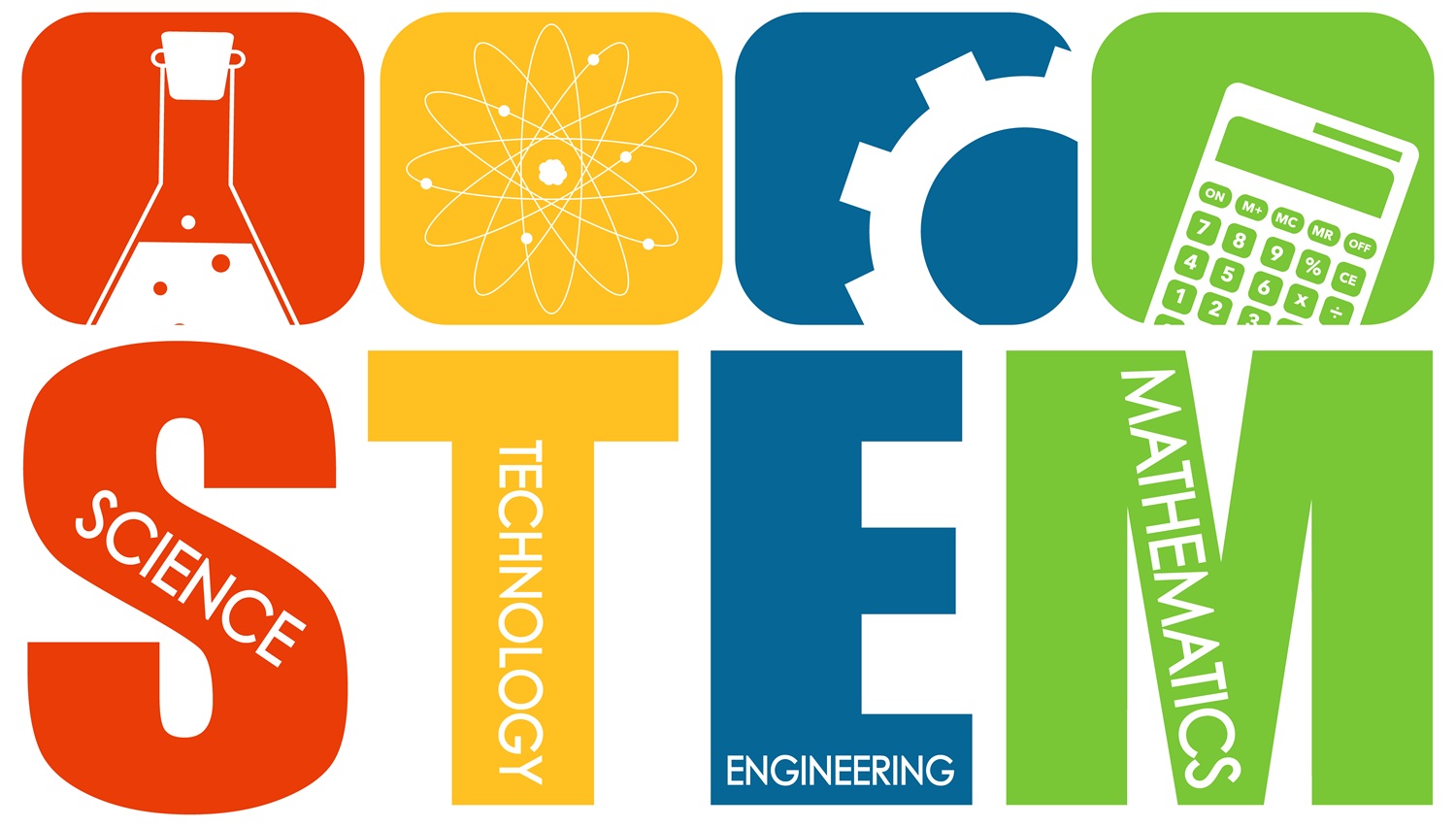
This is where STEM education becomes really important. Instead of teaching science, technology, engineering, and mathematics as separate subjects, STEM education helps learners see how they are connected and apply what they learn in real life.
People become more interested in STEM education because it does not only produce more scientists, engineers, or computer programmers. It helps young people learn to think for themselves, adapt to change, and develop solutions in an ever-changing world. STEM education also helps students develop skills that will remain useful, no matter what job they choose.
It is easy to see why schools, parents, and decision-makers are investing in STEM education because it helps people think critically. It also helps people work together and get ready for a job. STEM education offers many benefits that extend beyond the classroom.
The real benefit of STEM education is not only subject knowledge. It is the habit of asking better questions, testing ideas, and using evidence to improve decisions.
| Benefit | What students practice | Why it matters beyond school |
|---|---|---|
| Critical thinking | Looking for evidence, patterns, and causes | Students become more confident when judging information and making choices. |
| Problem-solving | Trying, testing, adjusting, and trying again | They learn that setbacks can become useful feedback. |
| Creativity | Turning ideas into practical applications | Innovation becomes something students can practice, not only admire. |
| Collaboration | Sharing ideas, listening, and explaining clearly | These habits support school projects, future work, and community problem-solving. |
It Enhances Critical Thinking
One thing about STEM education is that it helps people think critically. These days, we are surrounded by information all the time. We see news, advertisements, and other media, but people have different opinions about it. They need to really be able to look at information and make sense of it.
STEM education teaches students to ask questions rather than simply accepting things without thinking. Again, students learn how to find evidence, look for patterns, test ideas, and draw conclusions based on facts. They do not just memorise answers but try to understand why it happens and how it can affect the outcome. For example, if a student is doing a science experiment, they have to look at the results, compare it with what they found, and see whether it matches what they thought would happen. When students do things like this, they get better at thinking logically, and it is a skill they can use in many areas of their lives.
Also, being able to think logically is not just useful for school. It helps people make decisions, assess risks, and feel clearer and more confident when dealing with difficult situations.
It Strengthens Problem-Solving Abilities
At the heart of STEM education is problem-solving. Students often get challenges that make them think hard, try out solutions, and improve them as they proceed with them.
Unlike traditional methods that usually look for one right answer, STEM is about trying things out. Students learn that failing is not a bad thing but a useful part of learning.
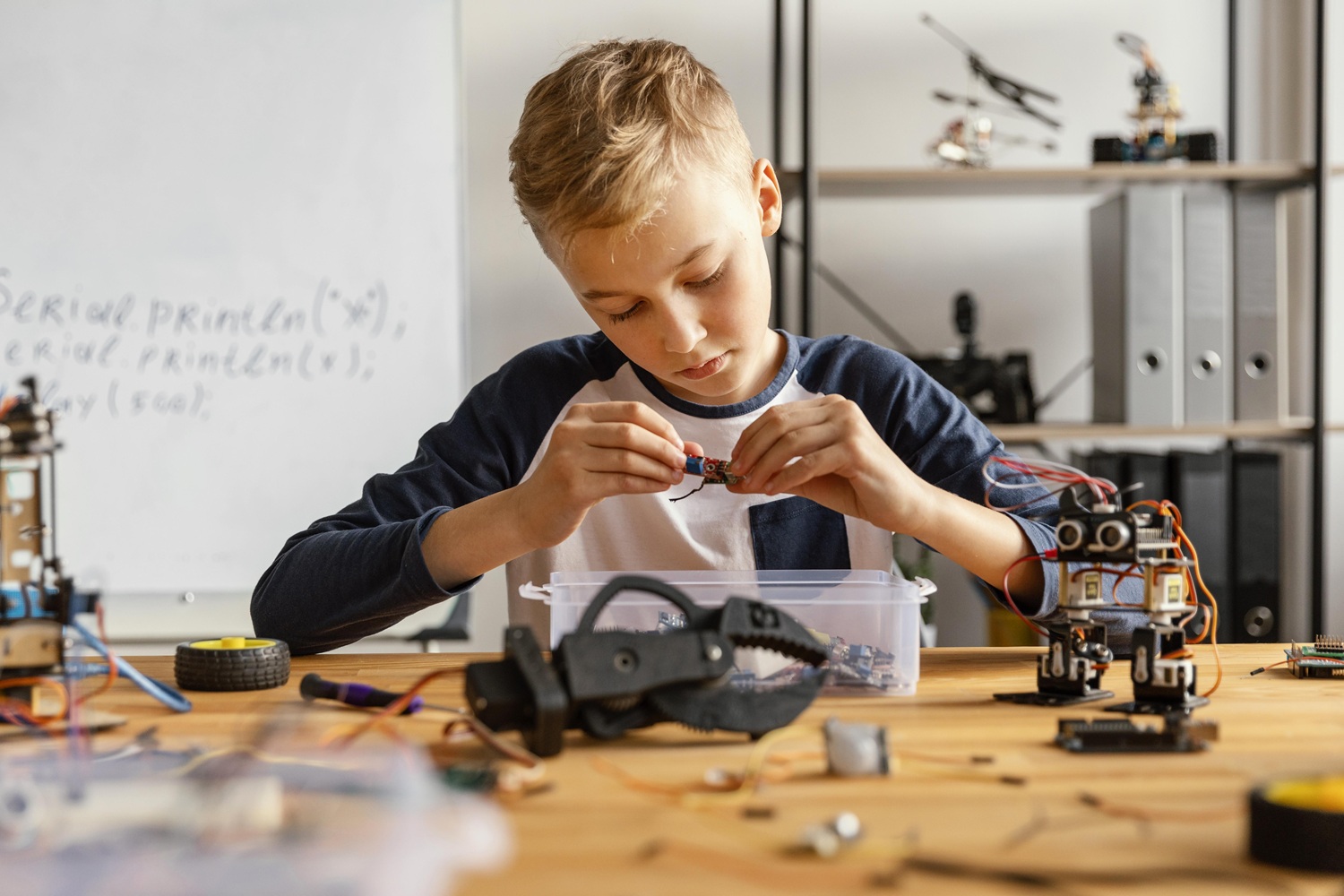
For example, students making a bridge model might find out that it cannot hold the weight they want. Instead of giving up, they identify what is weak, adjust their design, and try again. That alone teaches them to keep going and adapt to the situation.
These experiences reflect life experiences. Whether it is solving work problems, handling tasks, or fixing community issues, people often have to consider their options and adjust their approach as circumstances change. STEM helps students gain the confidence and strength to handle situations well.
It Encourages Creativity And Innovation
Some people often think that STEM is about technical stuff and following rules. But the truth is that creativity and innovation are an integral part of it.
When people think about things that do not yet exist, that is when innovation starts. Scientists develop ways to help people feel better, engineers create new technology that is better than what we have now, and software developers create tools that make our lives easier. All these aspects need critical thinking.
In addition, STEM teaches students how to make their ideas real. It combines imagination with real-world applications so creativity can be used to make new and exciting things.
It Improves Communication And Collaboration
STEM fields, including science, technology, and engineering, are all about people working together. We have people such as researchers, designers, programmers, and engineers working together to solve problems.
They share ideas, divide up the work, and get the job done together. This is what happens in life, and this is why students learn about science, technology, engineering, and math.
Also, students learn how to talk to each other and listen to what the other person is saying. They learn how to tell someone what they think in a specific way, and they also learn how to explain what they are thinking.
This is what people check when they hire someone to work for them. They want someone who can talk to people and work with them to get something done. They want someone who can share ideas and listen to what other people are saying.
It Increases Student Engagement
We know that keeping students engaged in learning can be tough. But STEM education makes it work because it involves students in the learning process.
Students do not only listen to lectures or try to remember a lot of information. They explore different things that will solve problems they might encounter in the future. This way of learning is better because students see what they are learning used in life and understand why it is important.
In fact, they care more about their education because of the STEM education that was introduced, and it motivates them to learn more about technology and build something with it.
It Prepares Students for Future Careers
The workforce is changing fast, and new technologies are changing how we do things across industries while creating new opportunities we did not have in the old days.
There are areas that are growing quickly, such as artificial intelligence, cybersecurity, renewable energy, biotechnology, robotics, and data science. Because of this, employers are looking for people who can think carefully, solve problems, and make use of the technologies.
Furthermore, learning about science and technology helps students develop their skills. It gets them ready for jobs in the areas they study because there are some jobs that require people to think carefully, generate new ideas, and contribute to the growth of the company.
Also, science and technology education offer students many options. They are able to understand technology, analyse information, and learn systems that can be helpful in many areas, including healthcare, business, education, media, agriculture, and many more.
It Promotes Adaptability And Lifelong Learning
It seems the world is changing fast, and new technologies are coming out all the time. Industries are always progressing and adapting to new systems. Definitely, the skills that are useful today may not be enough tomorrow. This means being able to adapt to new technologies is very important, and it is one of the qualities a person must possess.
STEM education helps people become accustomed to continuous learning. Instead of getting too comfortable, students practice trying things, testing ideas, and learning from mistakes. They become confident that they can learn things when they need to.
Also, STEM teaches students to get better at work and to be persistent because hard concepts get easier with practice and challenges become chances to get better.
This way of thinking helps people keep learning throughout their lives. And it helps them stay useful in their jobs.
The Key Benefits Of A STEM Education
When you look at science and math education, they do a lot more than just help people do well on their own. They help in building community and taking charge in any situation.
That is why some countries invest heavily in STEM, because they see their economies grow stronger as they develop ideas and compete with other countries. When people are good at STEM, they help improve healthcare through technology, strengthen roads and bridges, and address environmental problems.
The thing is, a lot of the problems we are facing right now need science and math to solve them. We need to address climate change, ensure everyone has food, use energy that does not harm the earth, keep people healthy, and make sure we take care of the earth. Many of these things need people who know about science and technology.
When we get young people interested in STEM, it helps us create people who can solve future problems. STEM education helps people develop ideas and solutions to problems. That is why societies are investing in the people who will help make the world a better place.
In Summary
The benefits of STEM education go beyond preparing students for jobs in science or technology. It helps students think for themselves, solve problems, be creative, work with others, and prepare for a world that is always changing.
STEM education also helps students become more flexible, feel good about themselves, and apply what they learn in real-life situations. These are basic things they need to have no matter what job they want.
As technology keeps changing our world, it is really important to think, come up with new ideas, and keep learning. That is where STEM education comes in; it provides students with a foundation in different skills and motivates them to learn more. It also helps them to be creative, bounce back from mistakes, and keep learning in their lives.
FAQ
What are the main benefits of STEM education?
STEM education supports critical thinking, problem-solving, creativity, collaboration, career readiness, adaptability, and lifelong learning.
Why is STEM education important?
It helps learners connect science, technology, engineering, and mathematics with real-life questions, decisions, and practical challenges.
Does STEM education only prepare students for technical careers?
No. It also builds flexible thinking, communication, persistence, and confidence that can be useful in many kinds of work and everyday life.