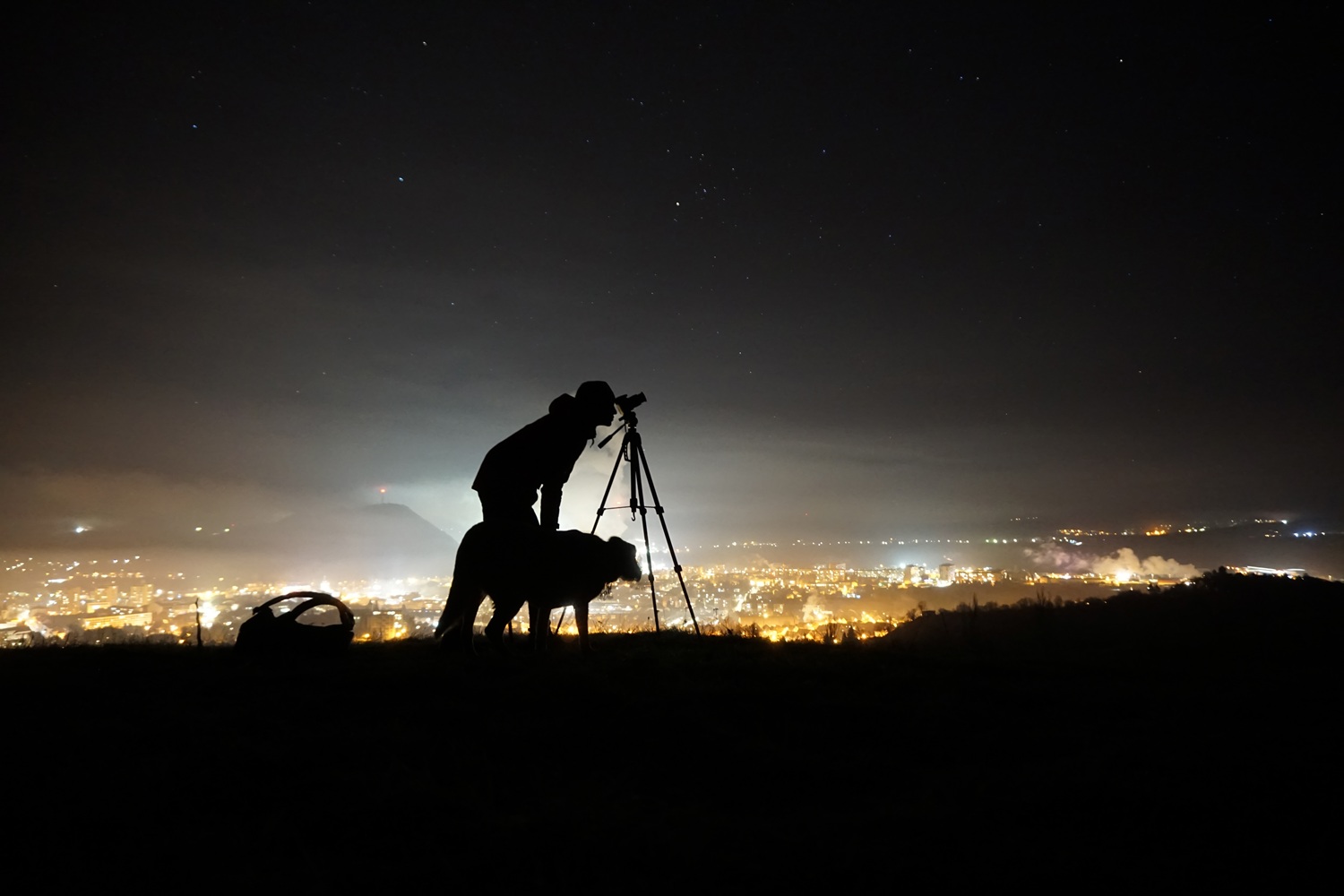
August 2026 bringt erstaunliche Dinge, die hoch oben zu beobachten sind: eine seltene totale Sonnenfinsternis und der beste Perseiden-Meteorschauer des Jahres, die innerhalb eines Tages aufeinanderfolgen. Wenn Sie aufgeregt sind, diese zu sehen, finden Sie hier Ihren schnellen Leitfaden zum Himmelbeobachten im August 2026.
Teil 1: Eine seltene Sonnenuntergangs-Sonnenfinsternis am 12. August 2026
Sonnenfinsternisse sind spektakulär, weil sie sehr sichtbar und seltener als Mondfinsternisse sind, aber diese ist noch seltener.
Wie Sonnenfinsternisse funktionieren
Eine totale Sonnenfinsternis tritt auf, wenn der Mond direkt zwischen der Erde und der Sonne hindurchzieht und vorübergehend einen Teil oder das gesamte Licht aus der Sicht bestimmter Orte auf der Erde blockiert.
Eine totale Sonnenfinsternis tritt auf, wenn der Mond die Sonnenscheibe vollständig bedeckt, was aufgrund eines bemerkenswerten Zufalls möglich ist: Die Sonne ist etwa 400 Mal breiter als der Mond, aber auch etwa 400 Mal weiter entfernt, sodass die beiden am Himmel fast gleich groß erscheinen. Wenn der Mond etwas näher an der Erde ist als im Durchschnitt, erscheint er etwas größer und kann die Sonne vollständig blockieren, was eine totale Sonnenfinsternis erzeugt; wenn er weiter entfernt ist, kann er die gesamte Scheibe nicht ganz abdecken, was stattdessen zu einer ringförmigen "Feuerring"-Finsternis führt.
Sonnenfinsternisse treten nur während eines Neumonds auf, wenn der Mond zwischen der Erde und der Sonne sitzt. Aber das passiert nicht jeden Monat, da die Umlaufbahn des Mondes um etwa 5 Grad im Verhältnis zur Umlaufbahn der Erde um die Sonne geneigt ist, sodass die drei Körper normalerweise nicht perfekt ausgerichtet sind.
Was diese besonders macht
Dies wird die erste totale Sonnenfinsternis sein, die seit 1999 vom Festland Europa aus sichtbar ist, was allein schon einen Blick wert ist. Aber sie findet auch zum Sonnenuntergang für den Großteil ihres Weges statt, was den Zuschauern in Nordspanien, den Balearen und der nordöstlichen Ecke Portugals eine großartige Sicht auf den unteren Horizont bietet, während er sich in seine Abendfarbe verwandelt. Das Ereignis schreibt im Grunde die Bedeutung der "goldenen Stunde" für eine kurze Zeit neu.
Darüber hinaus geschieht es nur einen Tag nach dem lunaren Perigäum, dem Punkt in der Umlaufbahn des Mondes, an dem er der Erde am nächsten ist. Da der Mond größer als gewöhnlich erscheint, bedeckt er die Sonnenscheibe etwas länger, was eine totale Phase von 2 Minuten und 18 Sekunden über dem Atlantik zwischen Grönland und Island erzeugt.
Wann, wo und wie man es sieht
Diese besondere Sonnenfinsternis findet am Mittwoch, den 12. August 2026, statt, wobei die totale Phase um etwa 16:58 UTC beginnt. Die partielle Finsternis endet um etwa 19:57 UTC und folgt dem Pfad:
Arktisches Russland -> Grönland -> Island -> der Atlantik -> Nordspanien -> die Balearen -> und eine kleine Ecke im nordöstlichen Portugal (die Region Tras-os-Montes in der Nähe der Stadt Bragança, rund um den Montesinho-Nationalpark).
Die Sonnenfinsternis wird in den meisten Teilen Europas, einschließlich des Vereinigten Königreichs und Irlands, teilweise sichtbar sein, mit über 90 % Sonnenbedeckung an einigen Orten, in großen Teilen Kanadas, Teilen des nördlichen US und Nordwestafrika.
Wo auch immer Sie zuschauen, Augensicherheit ist wichtig. Zertifizierte Finsternisbrillen (ISO 12312-2) sind ein Muss für jede Phase der Finsternis, außer für die kurzen Sekunden der vollen Totalität, und nur, wenn Sie sich im Pfad der Totalität befinden. Normale Sonnenbrillen, egal wie dunkel, sind nicht ausreichend.
Wenn Sie diese Brillen nicht zur Hand haben, ist ein einfacher Lochprojektor aus zwei Pappstücken eine sichere, kostengünstige Möglichkeit, die schwindende und wachsende Mondsichel zu beobachten, ohne direkt hinzusehen.
Teil 2: Der Perseiden-Meteorschauer mit den Höhepunkten in der Nacht vom 12. auf den 13. August 2026
Wenn von "Meteorschauer" die Rede ist, denken Sie an helle Sternschnuppen, die über den Nachthimmel ziehen, an das Campen unter den Sternen und an das Wünschen. In diesem August könnten diese Wünsche für Sie wahr werden.
Was Meteorschauer verursacht
Meteorschauer entstehen, wenn die Erde durch Trümmerbahnen zieht, die von Kometen oder Asteroiden hinterlassen wurden. Da diese Himmelskörper hauptsächlich aus Eis, Gestein und Staub bestehen, schmelzen die äußeren Teile, wenn sie sich unserer Sonne nähern, und bilden einen Trümmer-Schwanz, der dort bleibt, wo er ist.
Wenn die Erde den orbitalen Pfad des Kometen kreuzt, gelangen einige dieser Trümmer in unsere Atmosphäre, erhitzen sich und erzeugen das, was wir Sternschnuppen nennen. Aber keine Sorge; sie sind körnig oder höchstens kieselsteinartig groß und verbrennen zu Gas, Plasma und unsichtbarem Staub, bevor sie den Boden erreichen.
Eine jährliche nordöstliche Himmelsshow
Der Perseiden-Meteorschauer ist ein jährliches Ereignis, das nach dem Sternbild Perseus benannt ist, dem Punkt am Himmel, von dem die Meteore zu strahlen scheinen. Die Perseiden treten auf, wenn die Erde durch die Umlaufbahn der permanenten Trümmer zieht, die von Komet Swift-Tuttle hinterlassen wurden, normalerweise von Mitte Juli bis Ende August jedes Jahr.
Wann, wo und wie man es sieht
Die Perseiden erscheinen in der Nacht von Mittwoch, den 12. August 2026, und bis in die frühen Morgenstunden des Donnerstag, den 13. August 2026. Sie können während des Höhepunkts des Ereignisses bis zu 100 Meteore pro Stunde unter dunklem Himmel sehen.
Der Schauer ist auf der Nordhalbkugel sichtbar, wo der Strahlende Punkt in Perseus hoch über den meisten Teilen Nordamerikas, Europas und Asiens hängt. Zuschauer auf der Südhalbkugel können immer noch einige Feuerbälle sehen, aber Perseus sitzt auf oder unter der Horizontlinie, was die Sichtbarkeit des Schauers von südlichen Standorten aus erschwert.
Die beste Zeit, um den Schauer zu sehen, ist von Mitternacht bis zum Morgengrauen, wobei die meisten Lichter zwischen 2 Uhr und 6 Uhr Ortszeit erscheinen. Sie benötigen kein Teleskop oder Fernglas; Meteore ziehen über einen weiten Bereich des Himmels, sodass die Beobachtung mit bloßem Auge am besten funktioniert.
Wählen Sie einen Ort abseits von Stadtlichtern und geben Sie Ihren Augen 20 bis 30 Minuten Zeit, um sich an die Dunkelheit zu gewöhnen. Vermeiden Sie Bildschirme (ein Blick auf Ihr Telefon wird die Sicht verderben), lehnen Sie sich zurück und genießen Sie die Pracht des Himmels mit seinen durchziehenden Feuerbällen. Geduld ist hier der Schlüssel, um die besten Darbietungen zu finden, die in Ausbrüchen kommen. Sie werden bemerken, dass leuchtende Spuren mehrere Sekunden lang bestehen bleiben, bevor sie verschwinden.
Dank dem Himmel
Der Neumond verbessert die Sicht auf den Meteorschauer, da der Effekt im Wesentlichen kein Mondlicht ist, das schwächere Meteore überstrahlt. Dies ist eine seltene Ausrichtung, die es den Dunkel-Himmel-Beobachtern ermöglichen sollte, das Beste der Perseiden zu sehen.
Die Überlappung
2026 ist wirklich außergewöhnlich, da diese beiden Ereignisse, eine totale Sonnenfinsternis und der Höhepunkt eines Meteorschauers, ein seltenes doppeltes Spektakel am selben Datum schaffen.
Für dieses Jahr, wenn Sie sich zufällig im Pfad der Totalität während der Sonnenfinsternis am 12. August 2026 befinden, könnten Sie während dieses kurzen Zeitfensters Perseiden-Meteore sehen, wenn der Himmel genug dunkel wird, damit Sterne (und gelegentlich ein Meteor) tagsüber sichtbar werden.
Hier ist ein schneller Referenzkalender für beide Ereignisse:
| Ereignis | Zeitpunkt | Wo zu sehen | Beobachtungsnotiz |
|---|---|---|---|
| Totale Sonnenfinsternis | Mittwoch, 12. August 2026; die Totalität beginnt um etwa 16:58 UTC | Der Pfad der Totalität umfasst Arktisches Russland, Grönland, Island, den Atlantik, Nordspanien, die Balearen und eine kleine Ecke im nordöstlichen Portugal | Verwenden Sie zertifizierten Sonnenschutz, außer während der kurzen Totalität im Pfad |
| Höhepunkt des Perseiden-Meteorschauers | Nacht vom 12. bis in die frühen Morgenstunden des 13. August 2026 | Am besten auf der Nordhalbkugel von dunklen, offenen Orten abseits von Stadtlichtern | Kein Teleskop erforderlich; lassen Sie Ihre Augen sich anpassen und beobachten Sie einen weiten Bereich des Himmels |
Machen Sie es zu einem Familienereignis
Zwei Himmelsshows an einem Abend sind eine großartige Gelegenheit, Kinder für Astronomie zu begeistern, und folgen Sie dieser Neugier mit astronomischen Aktivitäten zu Hause mit ROKR-Modellen, die das Interesse und Lernen am Leben erhalten.
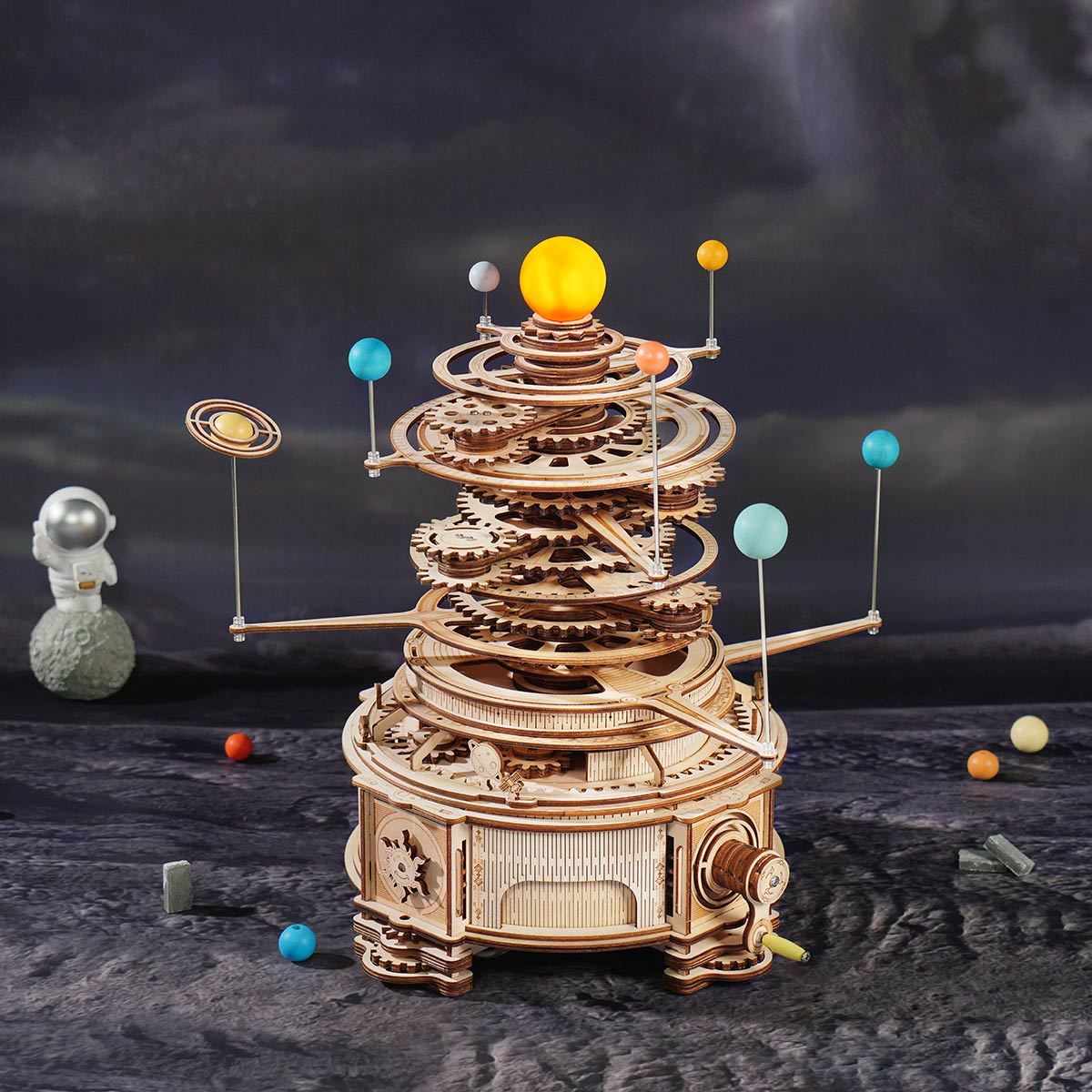
- Mechanisches Planetarium ST001 . Ein praktisches, mechanisches Modell des Sonnensystems, das es Ihnen ermöglicht, die Kurbel zu drehen und die Planeten um die Sonne kreisen zu sehen, und die Mechanik zu demonstrieren, warum Finsternisse nur auftreten, wenn der Mond, die Erde und die Sonne genau richtig ausgerichtet sind.
- Leuchtender Globus ST003 . Ein großartiges Modell, um den Pfad der Totalität auf einer echten Karte nachzuvollziehen, Spanien, Portugal, Island und Grönland zu erkennen und ein Gefühl dafür zu bekommen, wie sich die Zeitzonen auf die Zeit der Finsternis von Ort zu Ort verschieben.
- Raumfähre LKA02 . Eine unterhaltsame Möglichkeit, darüber zu sprechen, wie die Neugier der Menschheit an Tagen wie diesem uns dazu gebracht hat, den Boden zu verlassen und den Weltraum aus nächster Nähe zu studieren.

Es gibt noch mehr zu entdecken mit ROKRs Neugierige Entdeckungs-Kollektion , wie dem Monokular-Teleskop ST004 und der Sternen-Nacht Mechanische Musikbox AMK51 , die praktische Astronomie- und wissenschaftsbezogene Modelle bieten, um weiter zu erkunden.
Nicht nur für Kinder
Der Himmel beeindruckt jeden, über das Klassenzimmer hinaus. Finsternis-Jäger, Astro-Touristen und Fotografen sind ganz auf Island, Spanien und Grönland fokussiert, nur um im Pfad der Totalität zu stehen, wobei die Hotels weit im Voraus ausgebucht sind.
Für viele Erwachsene ist ein Ereignis wie dieses Grund genug zu reisen oder einfach einen Wecker für 2 Uhr morgens zu stellen und ein paar Stunden im Gras zu liegen. Für viele sind diese himmlischen Ereignisse eine wirklich mühelose Möglichkeit, sich von Bildschirmen zu lösen und die kosmische Show von oben zu beobachten, wenn auch nur für einen Abend.
Wenn Sie dieses Staunen verlängern und das Ereignis von 2026 markieren möchten, ist der Bau eines ROKR-Modells mit Weltraum- und Entdeckungsthema eine hervorragende Möglichkeit.
Kosmos Neugier
Der Kosmos hat uns mit diesen erstaunlichen astronomischen Ereignissen gesegnet, die nacheinander stattfinden. Der Mond gleitet vor die Sonne, der Himmel wird mitten am Nachmittag dunkel, und Stunden später ziehen Meteore in der Dunkelheit über uns hinweg.
Ein weiterer Segen ist, dass wir in dieser Zeit leben, in der diese Phänomene aufgezeichnet, ins Internet hochgeladen und immer wieder angesehen werden können, insbesondere für diejenigen, die es nicht persönlich gesehen haben. Aber kein Wiederholen kommt dem Gefühl nahe, es live zu erleben, und das ist Grund genug zu hoffen, dass jeder mindestens ein großartiges himmlisches Ereignis in seinem Leben miterlebt, sei es eine Finsternis, ein Meteorschauer oder alles, was Ihre Augen nach oben zieht und Sie daran erinnert, dass Sie Teil von etwas viel Größerem sind als sich selbst.
Mark yoUnsere Kalender für den 12. August 2026, und erleben Sie, wie der Himmel direkt mit uns spricht durch diese extravaganten Ereignisse. Die Botschaft: Schauen Sie weiter nach oben; es ist ein wunderbares, wunderbares Universum.