Até 2023, os dias de trabalho de David estavam começando a parecer intermináveis. E-mails, reuniões e prazos o deixavam sobrecarregado, e ele frequentemente voltava para casa com os ombros tensos e a mente ainda acelerada.
Ele tentou relaxar assistindo televisão, mas não conseguia parar de pensar em tudo que havia deixado inacabado. Então, uma noite, em seu caminho para casa, ele notou uma loja de hobbies.
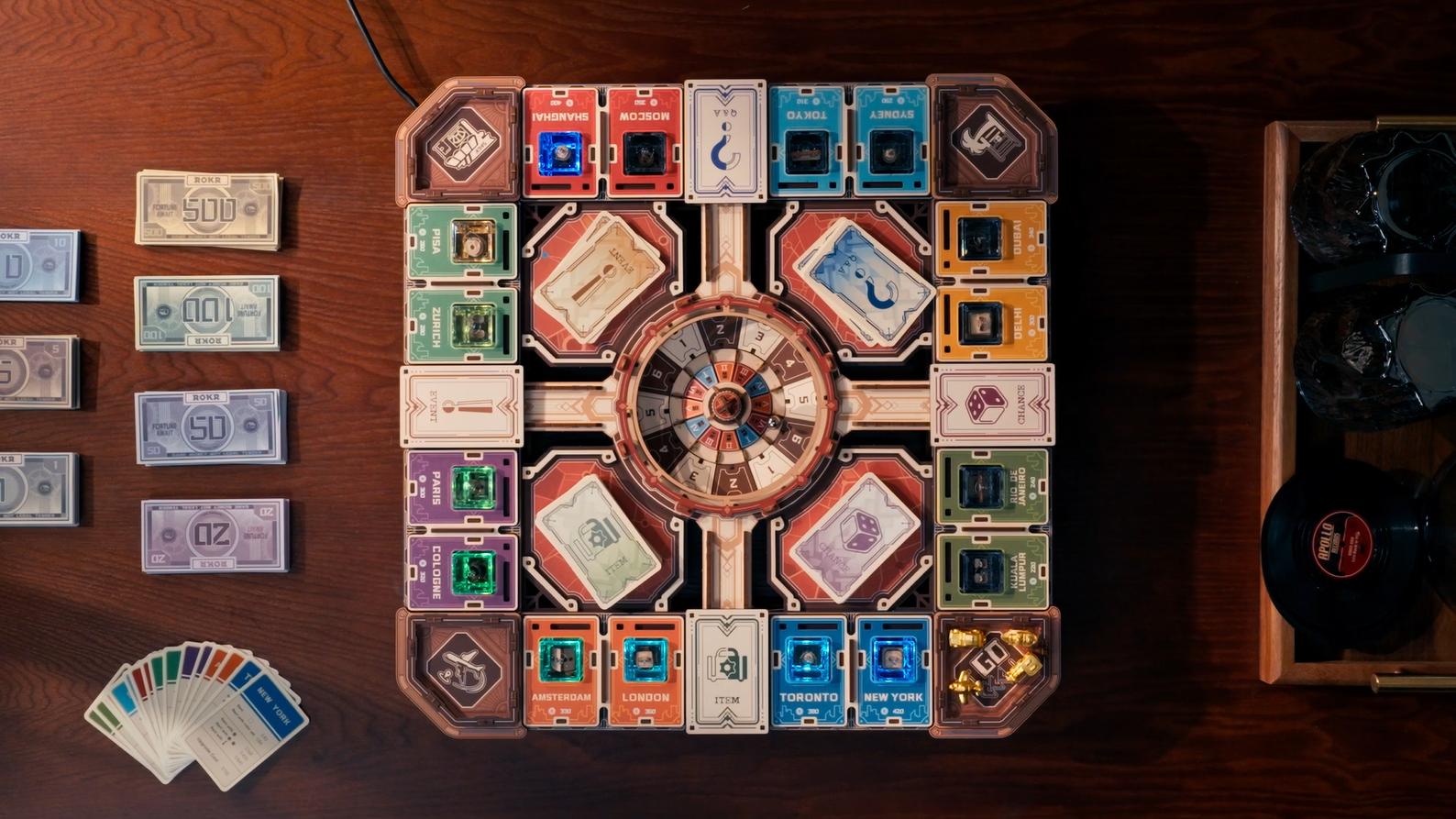
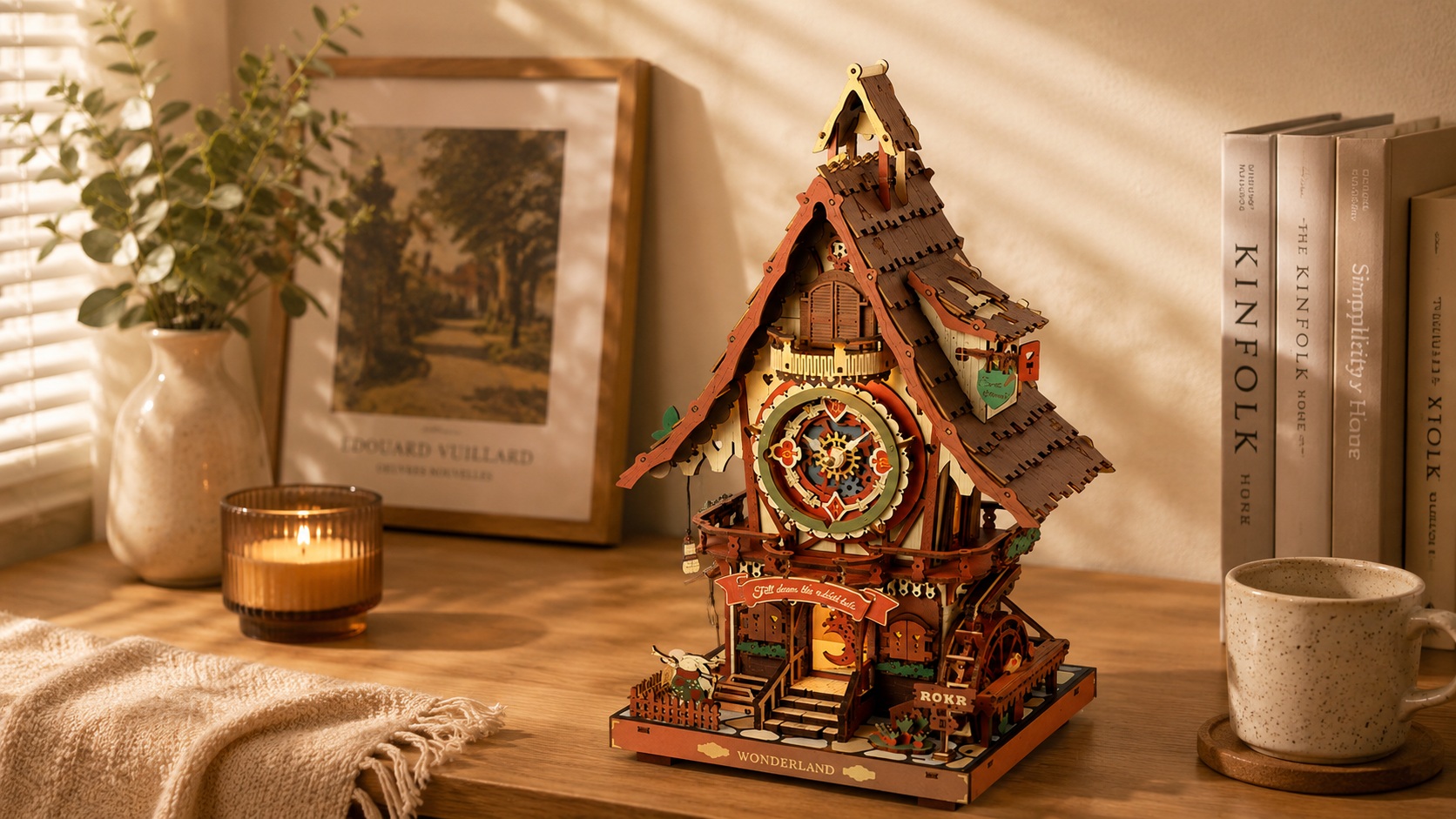
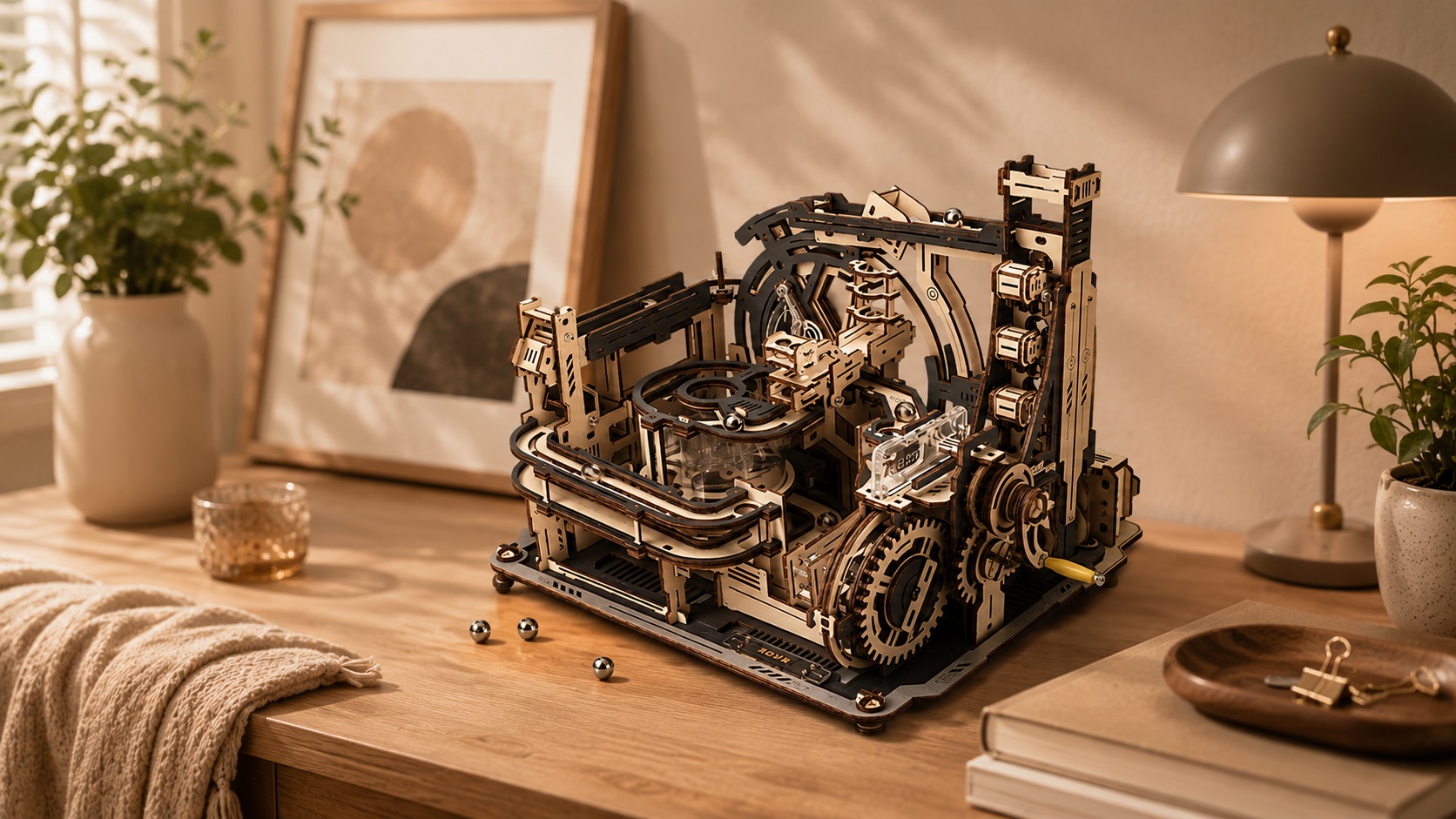
Um kit de cidade mecânica na vitrine chamou sua atenção. Tinha ruas minúsculas, edifícios e engrenagens móveis. David entrou para olhar mais de perto o kit ROKR e saiu com a caixa debaixo do braço.
A Primeira Montagem Após o Trabalho
Naquela noite, David deixou seu laptop de lado e limpou a mesa de jantar. Ele espalhou as peças de madeira e começou a seguir as instruções. Suas mãos se sentiram desajeitadas no começo porque estavam mais acostumadas a um teclado. Ele cometeu alguns erros, mas então algo incomum aconteceu.
Sua respiração desacelerou, e a tensão do dia começou a recuar. Por um tempo, tudo o que existia era a necessidade de fazer uma peça se encaixar. Quando ele parou, metade da base estava completa. Pela primeira vez naquela noite, ele não estava pensando em sua caixa de entrada.
Construindo uma Cidade um Pouco a Cada Dia
David fez um plano simples: passar 30 minutos na cidade após o jantar todos os dias. Algumas noites ele realizava mais e outras menos. Uma noite ele adicionou uma torre, em outra uma ponte, e mais tarde testou as engrenagens.
Quando algo não se encaixava, ele se tornava curioso em vez de frustrado. As instruções escritas, passo a passo, tornavam o próximo movimento compreensível e lhe davam um problema que ele poderia resolver no seu próprio ritmo.
David manteve a rotina delimitada: 30 minutos após o jantar, uma seção visível de cada vez, e sem a exigência de terminar toda a cidade em uma única sessão.
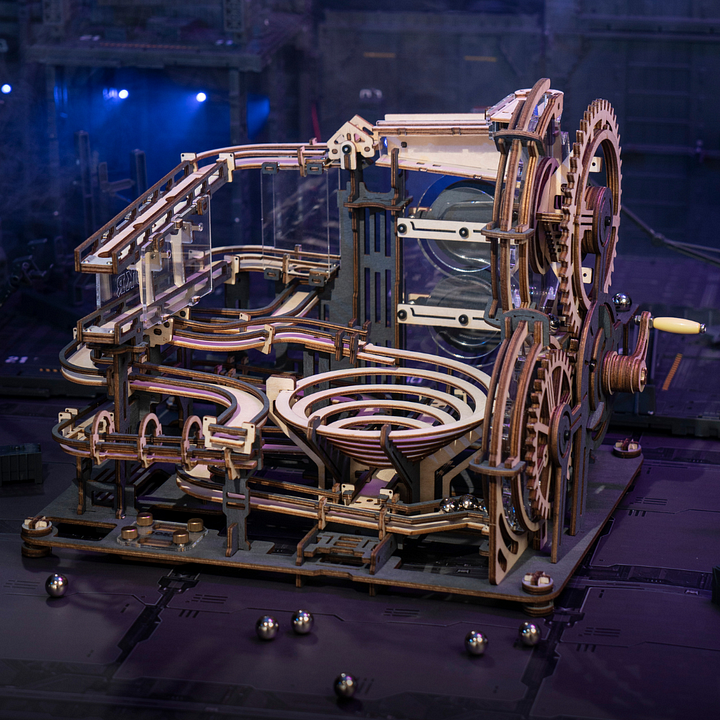
Duas semanas depois, a cidade mecânica estava pronta. As engrenagens se encaixavam suavemente, e a pequena cidade parecia sólida e bem feita. David a colocou orgulhosamente em sua mesa em casa. À noite, tornou-se a primeira coisa que ele via em vez de seu e-mail.
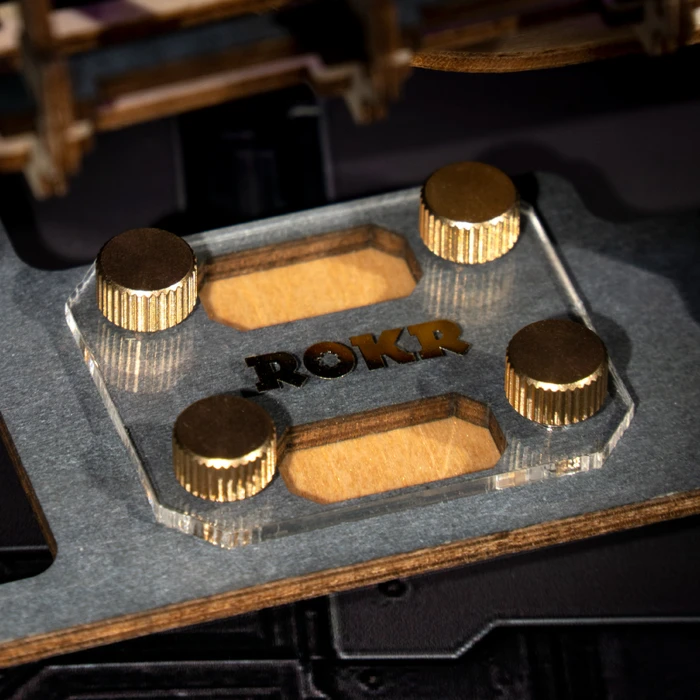
Teste antes de prosseguir: se uma engrenagem ou seção ajustada resistir, pause e verifique seu alinhamento antes de adicionar a próxima camada. O guia de montagem ROKR oferece suporte prático, e a coleção de pistas de mármore mostra outras construções cinéticas projetadas em torno de mecanismos conectados.
Compartilhando a Cidade Pequena
Em um fim de semana, um amigo visitou e ficou impressionado com o modelo. Quando perguntado se ele havia construído após o trabalho, David respondeu: “Sim.” Juntos, testaram o mecanismo e assistiram a pequena cidade ganhar vida.
Mais tarde, David postou uma foto em seu chat de equipe com a legenda: “Isso é o que me faz não checar o Slack após as 19h.” Vários colegas disseram que precisavam de algo semelhante para ajudá-los a se afastar. Um começou a tricotar, enquanto outro tentou quebra-cabeças.
O que David Aprendeu
David percebeu que seu estresse vinha não apenas das longas horas, mas também de nunca ver o fim de nada. O trabalho nunca estava realmente terminado.
Construir a cidade mecânica era diferente. Tinha um começo, um meio e um final claro. Uma vez que estava feito, permanecia feito.
Ele ainda constrói hoje. Às vezes escolhe um kit maior, mas permanece com o projeto à sua frente. Para David, afastar-se da televisão e fazer algo com as mãos criou uma sensação de paz que nenhuma lista de tarefas poderia reproduzir.