
Why Building Something Challenging Alone Feels Different
Do you recall when you first learned to drive and took your first trip alone? Or when you had a dripping shower at home and were able to figure it out and fix it without calling a plumber? Or how about when nobody was available to help you, but you managed to automate your lights, thermostat, and appliances through Alexa anyway?
You get that eureka moment where you tell yourself, “So that’s how it works!” And then you feel proud of yourself, discovering that you’ve learnt something new, not just about the task, but about your own capabilities.
There’s a quiet strength and pride in not being afraid to do things solo. Today, we explore the feeling of tackling challenging projects and finishing triumphantly.
The Power of Working Through a Challenge by Yourself
First, let’s set something straight. Being alone doesn’t automatically mean being lonely. There’s a difference between isolation and solitude. Loneliness is an involuntary feeling of social disconnection, and can be felt even when you’re with other people. On the other hand, solitude is the state of being comfortable with yourself, an empowering feeling that stems from autonomy.
—-------------------------------------------
Solitude is being comfortable with yourself, an empowering feeling stemming from autonomy.
—-------------------------------------------
Solitude doesn’t mean you’re rejecting others or vice versa; it just means trusting yourself enough to begin without waiting for permission, your friends cheering you on, or reassurance.
This is often the first real step towards confidence.
Building a tough project solo is the ultimate lesson in self-reliance. There’s no team to fix your mistakes or share the load; if things go wrong, there’s no one to blame and no one coming to the rescue. While that sounds intense, it’s actually where your real power comes from.

That initial pressure can feel shaky if you're used to having backup, but that’s exactly how you build emotional grit. You take it one step at a time and realize you don’t need a safety net to keep moving. You start to trust yourself to handle the "wobbles" and own the results, even if they aren't perfect.
Over time, this self-reliance develops self-mastery. You discover what “know thyself” is all about, discovering your true potential and true inner being, like pieces clicking into place. This is self-actualization.
Congratulations, you’ve found your center.
How Solitude Sharpens Focus and Determination
Naval Ravikant once described solitude as “like therapy, but instead of a therapist listening to you, you’re listening to yourself.” That kind of listening allows you to deepen your focus. Without constant input from others, your attention settles and sharpens.
—-------------------------------------------
Solitude is like therapy, but instead of a therapist listening to you, you're listening to yourself.
—-------------------------------------------
Psychologically, this level of focus leads to low-arousal positive affect, or LAPA. It’s a state associated with calmness, contentment, and clarity. The body shifts into a parasympathetic mode, the heart rate slows, and stress responses soften. It’s basically the opposite of hype, but it releases dopamine, or the chemical response that makes you want satisfying experiences.
From there, the way you work begins to change. Without an audience, the pressure to perform disappears since there’s no one to impress and no external clock pushing you forward. It’s just you, the challenge, and steady effort at your own pace. This is where you develop discipline, the effort to stay consistent when nobody’s watching.
As a result, your goals are more personal, not shaped by comparison or social approval.
Why Independent Problem-Solving Feels More Rewarding
When you have your own personal standards, your goals feel clearer. There’s no “groupthink” that dictates hierarchy, competition, or group politics.
Without this social pressure, you analyze situations more objectively, and you’re more eager to test your quirky ideas and instincts that might feel risky in a group setting.
This independent thinking reinforces confidence that stems from your own competence and not others’ validation. So when your project is starting to take shape, it can’t be dismissed as luck or someone else’s contribution. It’s all you.

—-------------------------------------------
When a solo project is progressing, it's not luck or someone else’s contribution.
It’s all you.
—-------------------------------------------
That sense of ownership changes how achievement feels. Satisfaction is quieter, but deeper. It carries an unshakable belief that you can handle complexity without a safety net.
And once you’ve felt that, it’s hard to unfeel. That experience is what you fall in love with.
From Frustration to Breakthrough: A Different Kind of Satisfaction
The thing about solo projects is that they’re honest, meaning you can’t hide your frustration when mistakes are made. You’ll need to address the error and try again. This strengthens your patience and emotional resilience in a very real way.
There’s also the potential for flow. How many times have you looked up and wondered how it got dark already? Working alone removes interruptions and allows full immersion. This is what many call “the zone”, where effort feels natural rather than forced. Your focus sharpens, time fades, and the quality of your work improves.
—-------------------------------------------
Flow, or being “in the zone,” is total immersion in a challenge that matches your skill, causing time and self-awareness to vanish.
—-------------------------------------------
When your breakthrough finally comes, it feels more than relief. It’s a shift. You feel mentally clearer and calmer, not overstimulated. This satisfaction lingers because it grew out of persistence rather than urgency.
What Completing a Challenge Alone Builds Inside You
Are you starting to see why doctors and psychologists encourage these purposeful, creative, solo activities? These activities don’t just keep your hands busy but create the mental conditions for calm focus, self-trust, and long-term emotional strength.
In the LAPA state, your mind stays clear while your determination stays steady, and motivation becomes consistent instead of burning hot and fading out. Your memory gets stronger, emotions become easier to manage, and decisions feel more thoughtful because you’re not racing to finish. By staying focused on the process itself, you often end up making faster and more meaningful progress.
Finishing a tough project solo proves to your brain that you actually have what it takes. It’s the hands-on realization that your own logic and grit are enough to get the job done. This builds a real, quiet confidence that comes from actual proof rather than just a "feel-good" quote.
The benefits actually snowball from there. By facing hurdles head-on instead of avoiding them, you level u
p faster. Your sense of purpose becomes crystal clear because your goals come from within, not from what others expect. Plus, you get better at keeping your cool because you’ve already practiced staying steady through the toughest parts of the process.
—-------------------------------------------
Your sense of purpose becomes crystal clear when your goals come from within, not from what others expect.
—-------------------------------------------
This kind of win keeps you grounded, creating a calm that naturally quiets anxiety and doubt. When the next hurdle pops up, you don't panic because you’ve already proven you can handle whatever comes your way.
Some Achievements Matter Most When They’re Just Yours
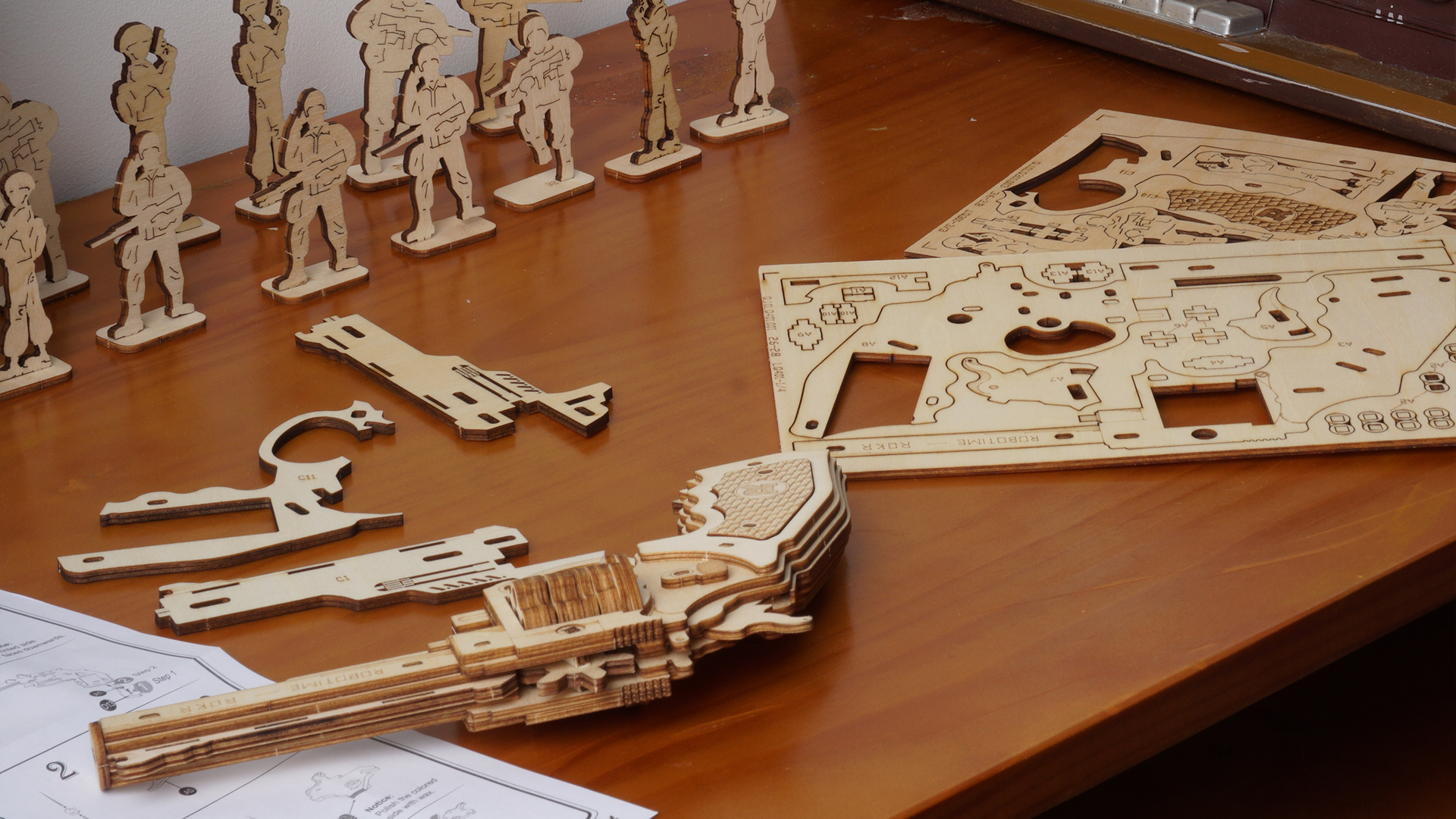
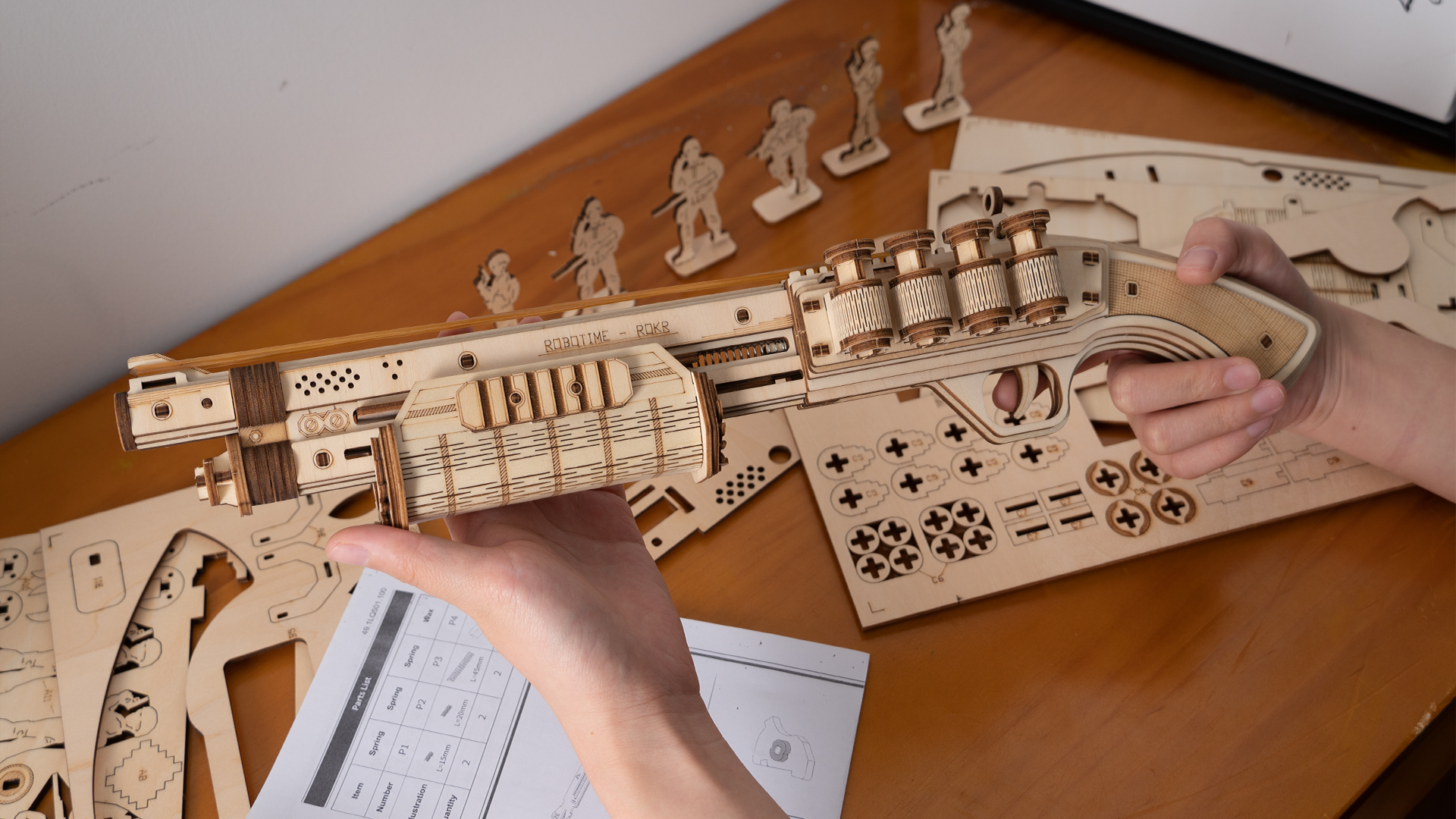
If you’ve tried building a ROKR or Rolife kit by yourself, you know what we mean. The process requires patience, focus, and independent problem-solving. There are no shortcuts. Every moving part responds only to your attention and care.
As the build comes together, you're actually constructing your own quiet confidence and calm focus alongside it. When that final piece clicks in, the real win isn't showing it off to the world, but the deep satisfaction of knowing exactly what it took to get there.
Some achievements don’t need an audience. They belong entirely to you. And that’s what matters most.