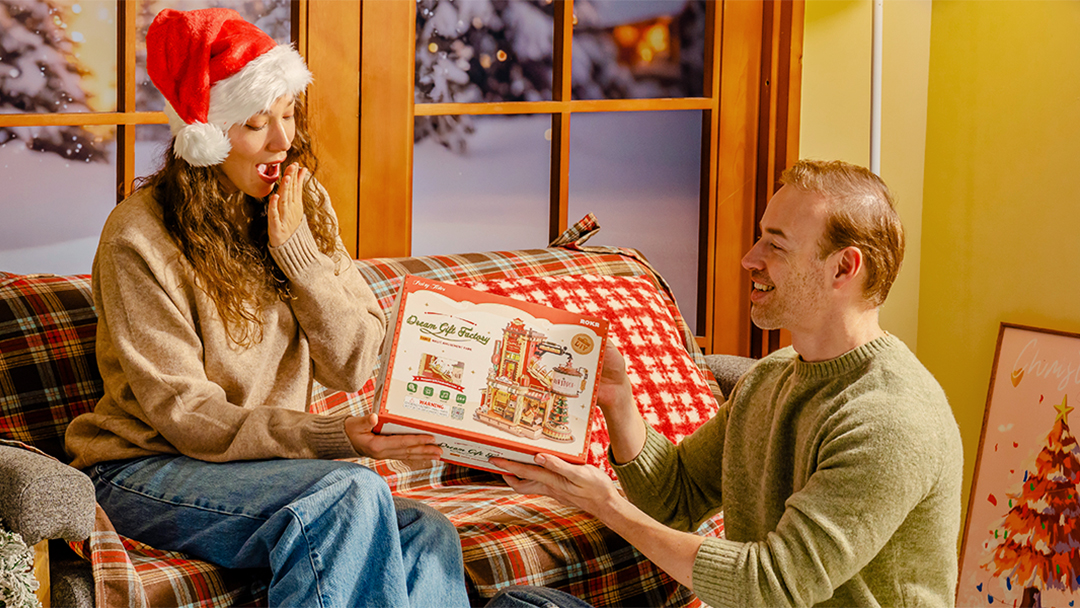

Spending time with Dad does not need a reservation, a long drive, or an ambitious plan. Sometimes the best family memories begin with a sheet of paper, a few questions, or a challenge made from things already in the room.
The easiest games to play with Dad at home share a few qualities: they work with two people, the rules are clear, and the first round starts before anyone loses interest. They also leave enough space for conversation. A score is useful, but the real point is having something to laugh about, improve, or try again together.
This list moves from five-minute games to active indoor challenges and longer build-and-play projects. Most are screen-free, and every idea can be adjusted for children, teens, or adult sons and daughters. If you want activities beyond games, ROKR's broader list of things to do with Dad at home offers more ways to plan the day.
How to Choose a Game Dad Will Actually Want to Play
A good game fits the people at the table. Before setting anything up, think about Dad's energy level, interests, and appetite for competition. Some dads enjoy keeping score. Others would rather solve something together or tell a story while their hands stay busy.
Family games also work better when everyone has some choice. AARP's guidance on multigenerational games notes that successful options tend to be creative and easy to set up, while inviting people to help choose the game can make participation feel more natural.
| Dad's mood | Try this type of game | Setup time | Typical round |
|---|---|---|---|
| Ready to relax | Trivia or guessing game | 1-2 minutes | 10 minutes |
| Feeling competitive | Target or score challenge | About 5 minutes | 10-20 minutes |
| Prefers teamwork | Drawing or scavenger game | 3-5 minutes | 15 minutes |
| Loves making things | Build-and-play mechanical game | A longer first build | Replayable |
Start with one game, not a full tournament. A short first round gives both players an easy exit if the idea does not click and an easy reason to ask for a rematch if it does.
Quick Games You Can Start in Five Minutes
These first four games need little or no equipment. They are useful after dinner, on a rainy afternoon, or whenever the family has a small pocket of time.
1. Dad Trivia
Each player writes five questions about Dad, the family, or a memory you share. Mix straightforward questions, such as Dad's favorite meal, with stories that require a little thought: Where did the family take its funniest wrong turn? Which song did Dad play too often on a road trip?
Take turns reading the questions and award one point for each correct answer. For a less competitive version, work together and see whether you can reach a shared score. The game works because the questions are personal enough to start conversation without demanding a serious heart-to-heart.
2. Twenty Questions: Dad Edition
One player secretly chooses a person, place, object, film, vehicle, song, or hobby connected with Dad. The other player gets up to twenty yes-or-no questions to identify it.
Give each round a theme so the guessing stays fair. Try "Dad's childhood," "things in the garage," "family holidays," or "movies Dad will always stop to watch." If younger players need help, allow one extra clue after question ten.
3. Name That Tune
Hum or tap the rhythm of a familiar song while the other person guesses the title or artist. Divide the rounds between Dad's era and the other player's favorites so one generation does not control the whole game.
Keep the clips short and make the scoring forgiving. One point for the song and one for the artist is enough. You can also skip points and simply ask Dad where he first heard the song or why it stayed with him.
4. Two Truths and a Dad Story
Dad tells three short stories or facts from his younger years. Two are accurate and one includes a changed detail. The other player decides which story does not quite belong.
Then switch roles and use stories from school, work, travel, or family life. This version of Two Truths and a Lie feels warmer because the reveal usually leads to the real story. It is especially good for teens and adult children who want to hear family history without turning the evening into an interview.
Easy Indoor Games That Get Everyone Moving
Active games can reset the mood when everyone has been sitting for too long. Clear the play area first, move breakable objects, and use soft or lightweight materials indoors.
5. Paper Airplane Target Challenge
Give each player one or two sheets of paper and five minutes to make a plane. Mark landing zones with painter's tape, sheets of paper, or open boxes. Assign more points to the smaller or farther targets.
Play three launches each, then allow one design adjustment before the final round. That small rebuild turns a simple throwing game into a friendly engineering challenge: change the fold, test again, and see whether the flight becomes straighter or longer.
6. Recycled Bottle Bowling
Arrange six to ten empty plastic bottles in a hallway or open room. Roll a soft ball or a tightly bundled pair of socks toward them, then score the round like bowling or simply count how many fall.
Change the distance for different ages or abilities. If Dad has a strong competitive streak, play five frames. If the goal is movement rather than scoring, take turns inventing trick shots. Using soft household items keeps the setup easy and reduces the risk of damaging the room.
7. Balloon Volleyball
Stretch a piece of string between two chairs, place a line of cushions on the floor, or imagine a net across the room. Hit a balloon back and forth without letting it touch the ground.
Competitive players can use first-to-seven scoring. For a cooperative version, count how many passes you can complete together. UNICEF's screen-free activity guidance encourages families to adapt familiar games to the child's age and abilities; the same idea works here by changing the court size, net height, or number of allowed touches.
Cooperative Games for Dads Who Do Not Love Competition
Not every game needs a winner. Cooperative play gives Dad and the other player a shared problem, which can make conversation easier and remove the pressure to perform.
8. Back-to-Back Drawing Challenge
Sit back to back. One player looks at a simple picture or object and describes it without saying its name. The other player draws only from the spoken instructions. Compare the result with the original, then exchange roles.
The funniest pictures usually come from unclear directions, so treat mistakes as part of the game. Older players can use more complicated subjects, while younger children can begin with shapes, animals, or familiar household objects.
9. Five-Clue Home Scavenger Hunt
Hide a small object and write five clues that lead Dad from one part of the home to the next. The object might be a favorite snack, an old photograph, a tool, or a note that points to a shared memory.
On the second round, Dad designs the hunt. For two-player cooperation, prepare a single chain of clues and solve it together against a timer. Keep boundaries clear, avoid unsafe hiding places, and do not put clues near medicines, sharp tools, or breakable items.
Build-and-Play Games from the ROKR Table
The first nine ideas are ready in minutes. The next three begin as longer hands-on projects and become games after assembly. That distinction matters: easy to play does not always mean quick to build.
ROKR's Amusing Table Game collection brings mechanical movement into family game time. A finished model can stay on the table for repeat rounds, while the build itself gives Dad and an older builder a project to return to across several sessions. Always follow the age guidance and assembly instructions on the specific product page, especially when a kit includes small parts or marbles.
10. Gear Ball Time Trial
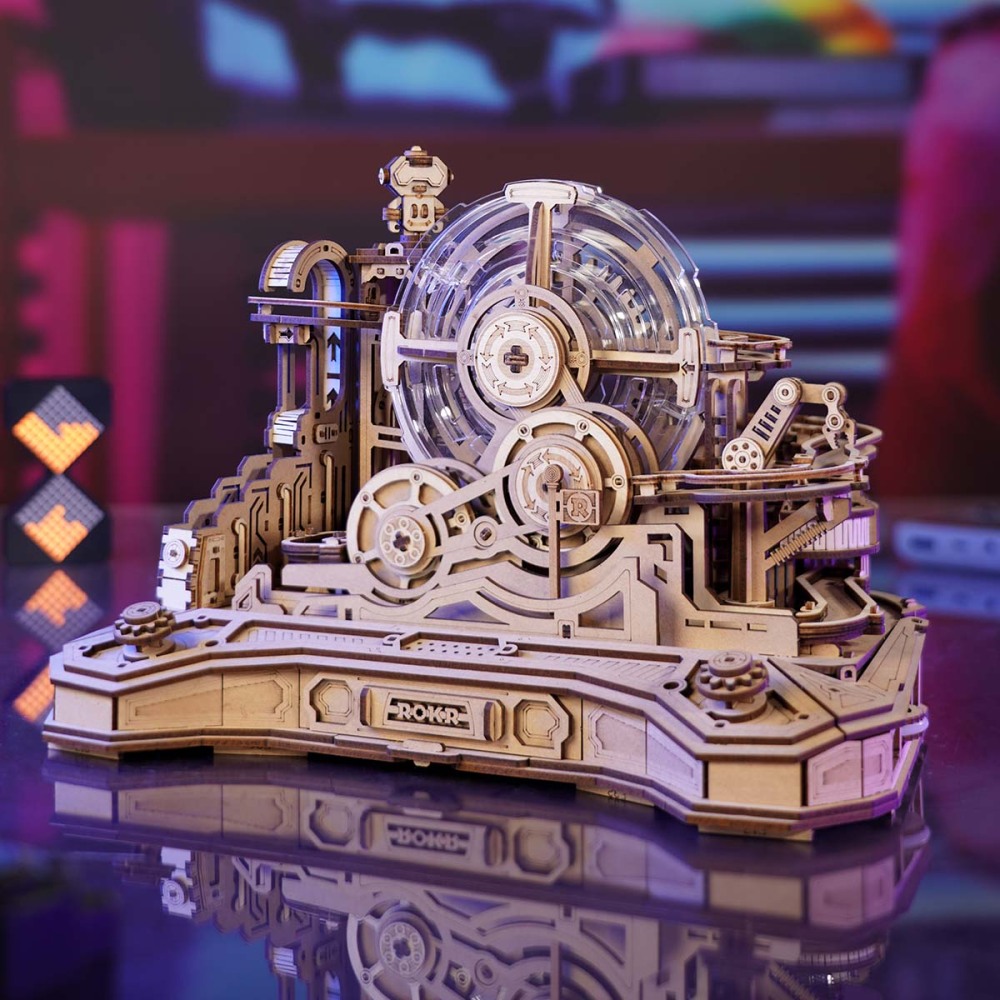
The ROKR Gear Ball Challenge EGC01 turns a retro game-controller shape into a hands-on mechanical maze. Players guide a metal ball through switches, ramps, gears, and moving sections using the model's controls.
After assembly, use a phone or kitchen timer for three attempts each. Record the fastest clean run, or add a small time penalty whenever the ball slips away from the intended path. A cooperative pair can skip the head-to-head score and try to beat one shared time by discussing the next control before moving it.
11. Pinball Best-of-Three
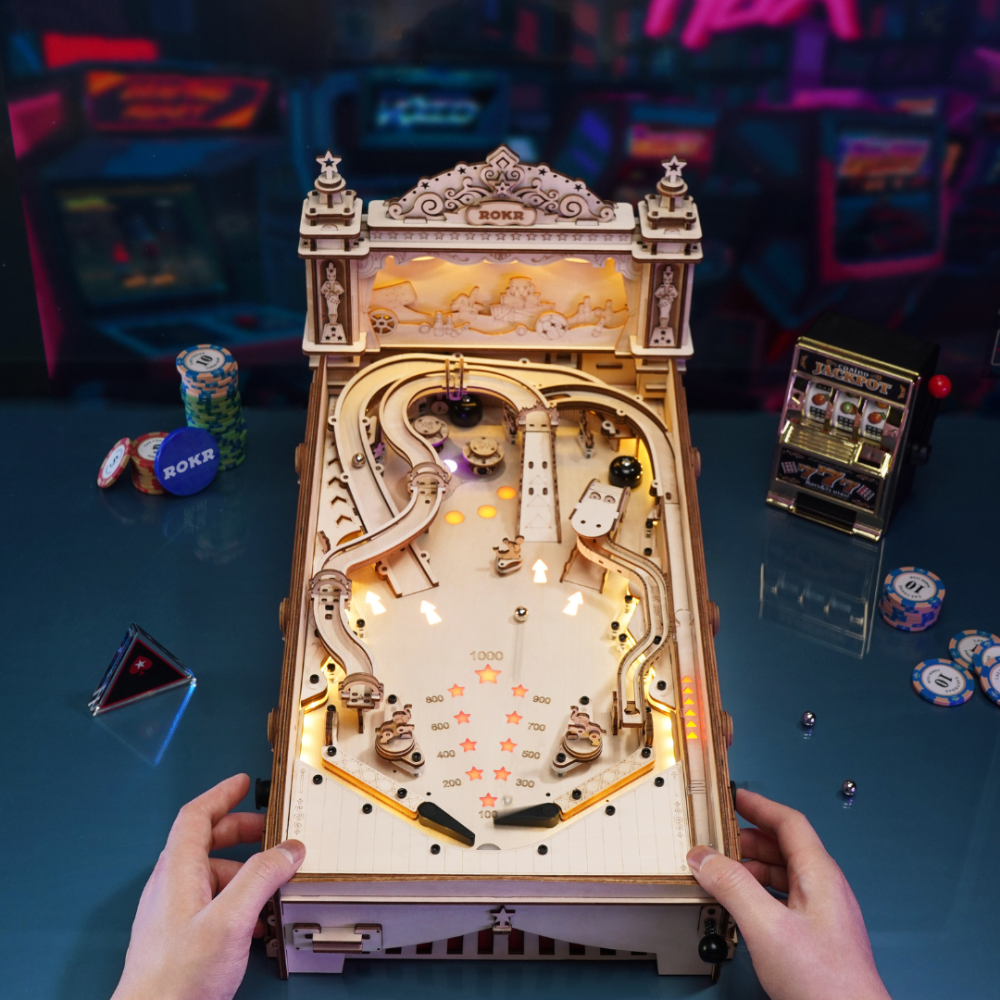
The ROKR 3D Pinball Machine EG01 starts the arcade experience before the first launch because the machine itself is the project. Once assembled, its launcher, flippers, tracks, and targets turn the finished wooden model into a playable tabletop game.
Give each player the same number of balls and play three rounds using the kit's scoring rules. Record the best round or total all three. If one player has more pinball experience, create a handicap by giving the newer player an extra ball. The machine can also become a family art project: community builders have shared how painting, decorating, and troubleshooting made their ROKR Pinball builds part of the family story.
12. Marble Run Prediction Game
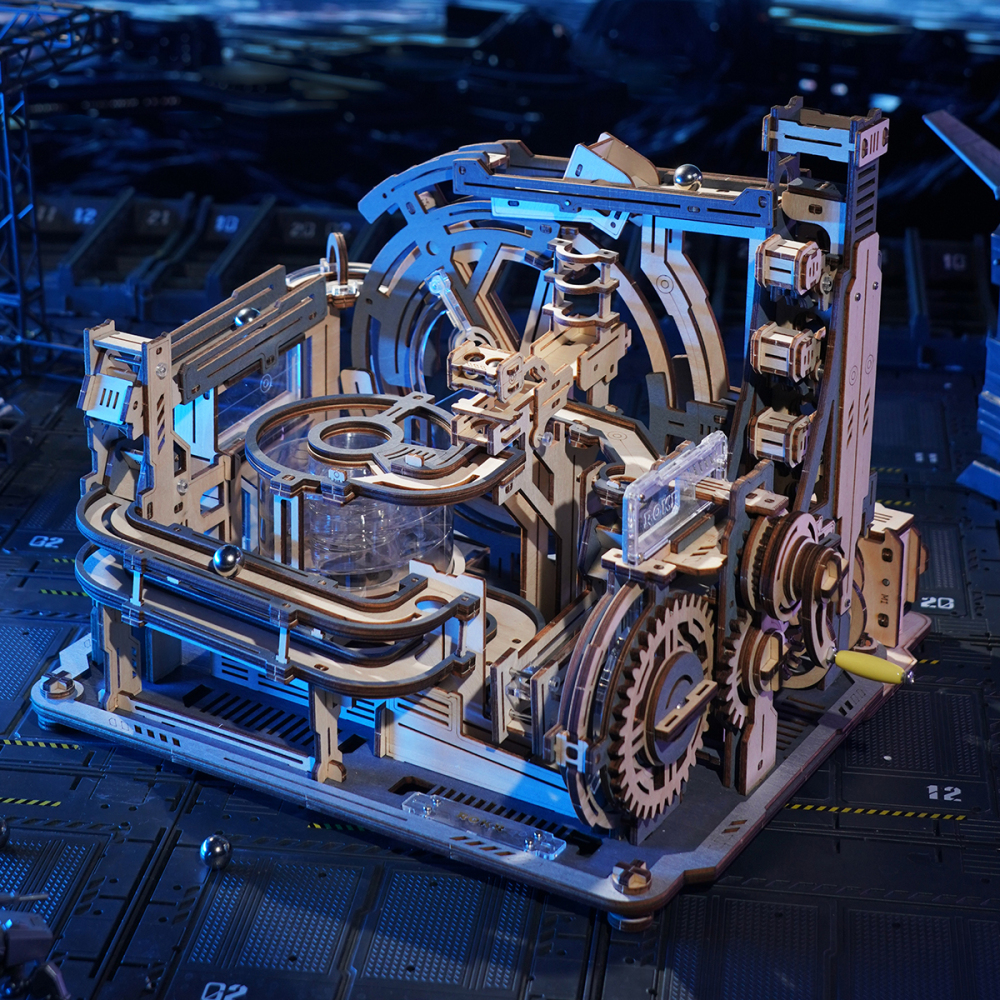
A marble run does not need a winner to become a game. With a model such as the ROKR Marble Spaceport LGC01, each player studies the visible track before the first run and predicts where the marble will move fastest, slow down, change direction, or pass through the most interesting mechanism.
Award one point for each correct prediction, then run the marble again and ask the other player to explain what the gears, track shape, and gravity are doing. Marble Spaceport supports manual and electric drive modes, so families can compare how the experience changes between operating the mechanism by hand and watching the powered run. More models with visible tracks and moving steel balls can be found in the ROKR Marble Run collection.
If your family likes learning through physical tests, this kind of prediction game also connects naturally with ROKR's guide to at-home STEM activities for less screen time.
How to Make Dad Game Night Actually Work
The right setup is usually simple. A few small choices can keep the evening from becoming overplanned or overly competitive.
- Let Dad choose from two or three options. A small menu gives him a voice without creating decision fatigue.
- Prepare one main game and one quick backup. If the first choice falls flat, move on without turning it into a debate.
- Keep the first round under fifteen minutes. Short rounds make it easier for a reluctant player to join and easier for an enthusiastic player to ask for another.
- Offer competitive and cooperative rules. The same balloon, drawing, or mechanical game can support either mood.
- Use a light reward. Let the winner choose the snack, music, film, or next game instead of attaching money or an uncomfortable penalty.
Most importantly, do not make Dad prove that he is good at something before he is allowed to enjoy it. Explain the rules once, play a practice round when needed, and adjust the challenge so both people have a reason to stay involved.
Frequently Asked Questions
What game can I play with Dad without any supplies?
Twenty Questions, Two Truths and a Dad Story, and a spoken version of Dad Trivia need no equipment. Name That Tune also works without a screen if players hum or tap the rhythm themselves.
What if Dad does not enjoy competitive games?
Choose Back-to-Back Drawing, a cooperative scavenger hunt, or a shared balloon-volleyball target. Build-and-play models can also be used cooperatively by setting one family time or prediction score to improve together.
Which games work well for teens and adult children?
Personal trivia, music challenges, paper-airplane design, mechanical ball mazes, pinball, and story-based guessing games all scale well for older players. Increase the difficulty through themes and rules rather than making the setup more complicated.
Can we play a ROKR game immediately after opening the box?
No. The Gear Ball Challenge, 3D Pinball Machine, and Marble Spaceport are model kits that require assembly before gameplay. Treat the build as a separate shared project, follow the product instructions, and use the finished model for repeat game nights.
Are these games only for Father's Day?
No. They work for ordinary weekends, rainy days, family visits, birthdays, or a quiet evening after dinner. If the game becomes a tradition, that repeatability may matter more than the occasion that started it.
The Best Game Is the One You Will Play Again
An easy game should lower the barrier to spending time together. It does not need elaborate equipment or a perfect plan. Start with one round, pay attention to what makes Dad laugh or lean closer to the table, and build from there.
Some families will return to trivia. Others will keep a paper-airplane scoreboard in a drawer. For builders, a mechanical game can become both the project you made together and the challenge waiting for the next rematch. The format matters less than the shared invitation: clear a little space, choose a game, and let Dad take the first turn.