

Why satisfaction runs deeper from solving difficult, skill-based hobbies that require effort, focus, and problem-solving
Why We’re Drawn to Challenges That Aren’t Easy
We live in a fully automated world. We get our coffee, adjust our lights, and find information by talking to a machine. We start and heat up our cars without going out into the snow-filled carport. We even work, get paid, have food and groceries delivered, and pay our bills right from the comfort of our own homes.
Despite all these, we haven’t gone lazy. Automation itself was a challenge, taking roughly 80 years to create, but it addressed our need to be more productive. Now that we’ve freed up some time, we’re seeking other challenges.
This is where hobbies come in. Our hands, with a unique combination of a fully opposable thumb and sensitive fingertips— a product of evolutionary biology— are designed to work. Our brains are hard-wired to find the deep satisfaction in competence and manual dexterity, a sensory starvation screen cannot fully satiate.
The Psychology Behind Enjoying Difficult Hobbies
We’re not just looking at things we can do; we want a challenge that will motivate and reward us.
Psychologists often refer to the most rewarding activities as the “Goldilocks Challenge.” The term comes from the story of Goldilocks, who enters the bears’ house and, when faced with different options, always prefers the middle ground: not too hot, not too cold, not too big, and not too small.
This means tasks shouldn’t be too easy, or else it becomes boring. However, if it feels impossible, we quit. The optimal point is when an activity sits just beyond our current skill level, pushing us to stretch and producing peak motivation.
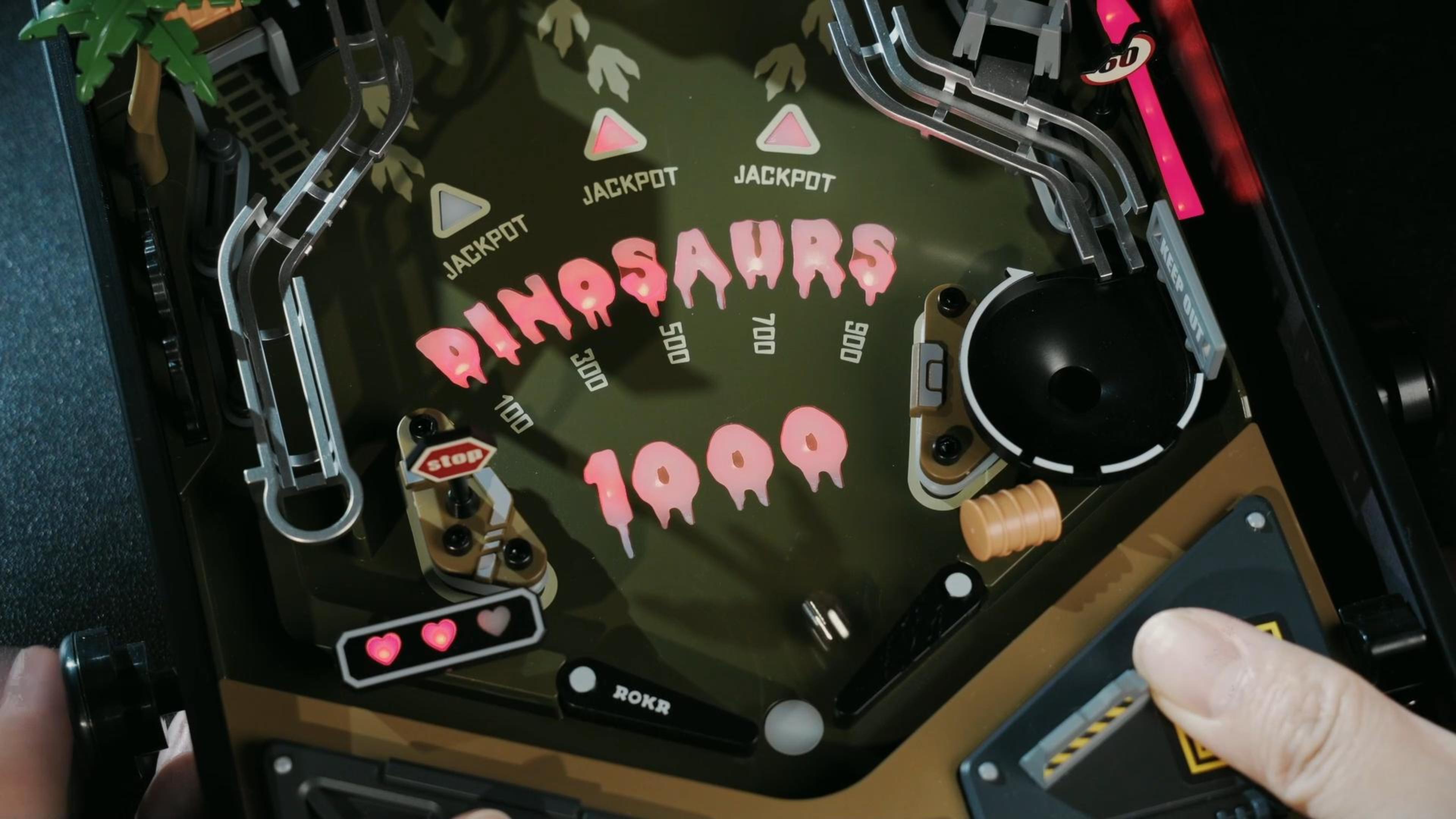
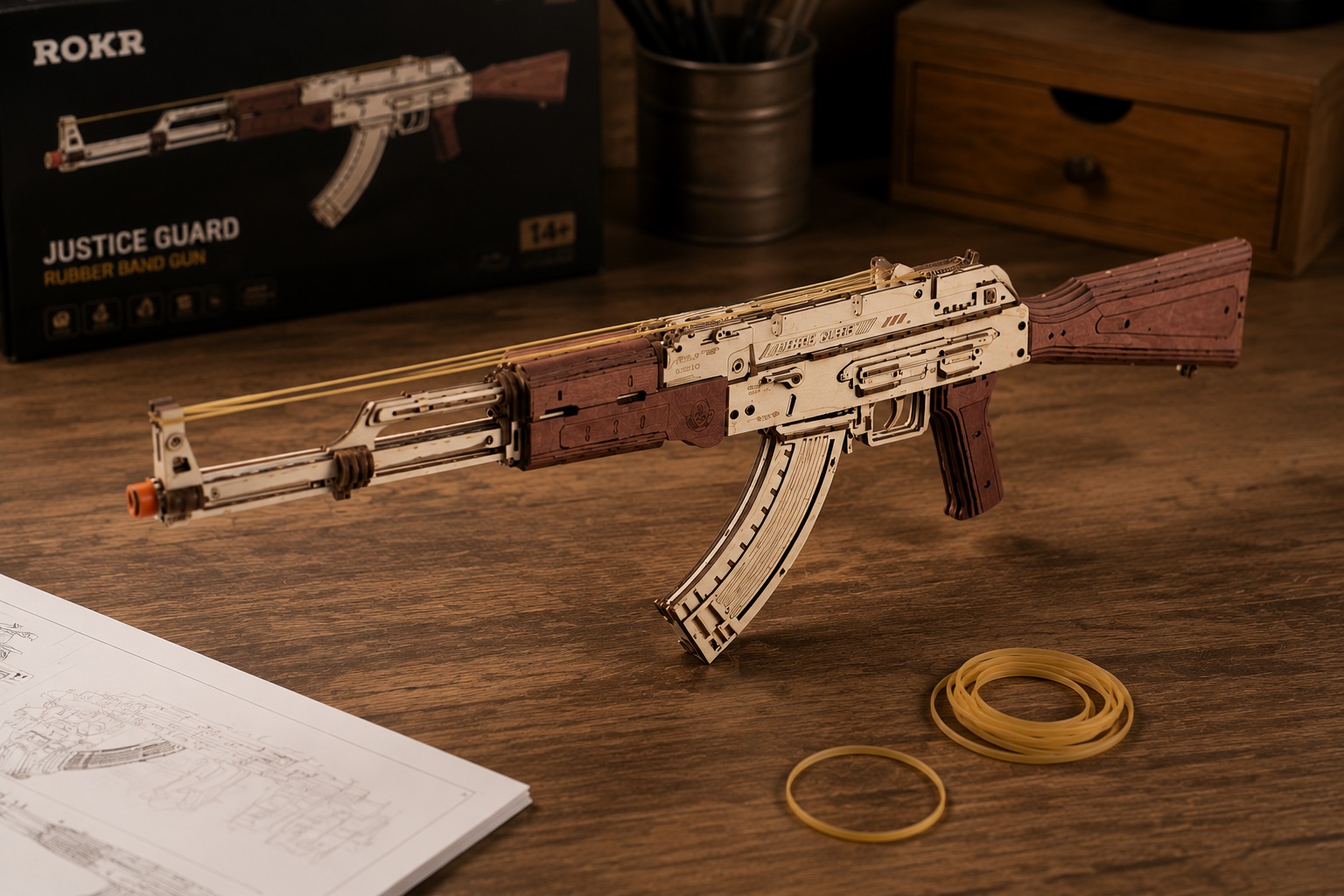
The scientific term for this is the Zone of Proximal Development (ZPD), a concept introduced by Lev Vygotsky in the early 1930s. He states that ZPD is that stage where a project is difficult enough to require your total focus and perhaps a bit of scaffolding (e.g., understanding a 12-page ROKR manual) to bridge the gap between your current skill and a new level of mastery.
When you tackle a challenging project within the zone of ZPD, you trigger the flow state and gain a real sense of control because the activity forces you to solve problems that are just at the edge of your capability. You improve not through sudden leaps, but through deliberate problem-solving that makes growth feel controlled, earned, and deeply satisfying.
Why Effort Changes How Reward Feels
That amount of effort feels like a reward in itself. Would you feel more pride wearing a medal you earned at the finish line, or one you simply found lying on the sidewalk?
The difference between a reward given and a reward earned is huge. In psychology, this is known as Effort Justification. Results feel more meaningful when they’re paid for in effort, and anyone who’s trained for a 5K knows how much discipline, time, and discomfort that requires.
When you engage in a challenging hobby, your brain doesn't just release a quick hit of pleasure; it builds a cycle of dopamine drive. Dopamine is the chemical of anticipation and motivation. It keeps you eager during the struggle, effectively turning the effort itself into a stimulant that drives you further. This makes the eventual 'click' of a puzzle’s final piece feel like crossing that finish line out of breath but smiling.
The effort itself is your medal of persistence. You're not just finishing a project but validating your own capability. Every time you see the reward, which is the medal or the completed DIY model, you see a physical record of all the hurdles you’ve overcome.
The Role of Focus and Problem-Solving in Satisfaction
Difficult hobbies demand what psychologists call high cognitive load. Unlike doom scrolling, a challenging project requires your full brain bandwidth to manage spatial reasoning and deductive logic. Your intense focus is your “mental filter,” blocking out background noise, intrusive thoughts, and even negative feelings. You’re in a headspace where tomorrow’s emails, your narcissistic co-worker, or that snow blizzard outside simply don’t exist.
In this micro world of a hobby, you’re totally in control, and every problem has a logical solution. When a gear doesn't turn or a joint doesn't fit, you have to troubleshoot. And when that moment of insight comes as you solve the hurdle, you’re hit with one of the most satisfying cognitive experiences a human can have. You’ve proven you’re not just a consumer of things, but a capable problem-solver.

Why Challenge Builds Confidence More Than Comfort
This creates a quiet, internal confidence that didn’t come by reading motivational quotes, listening to cheering friends, or staying within your comfort zone. It was forged through personal agency, or the absolute knowledge that you’re the primary driver of your own success.
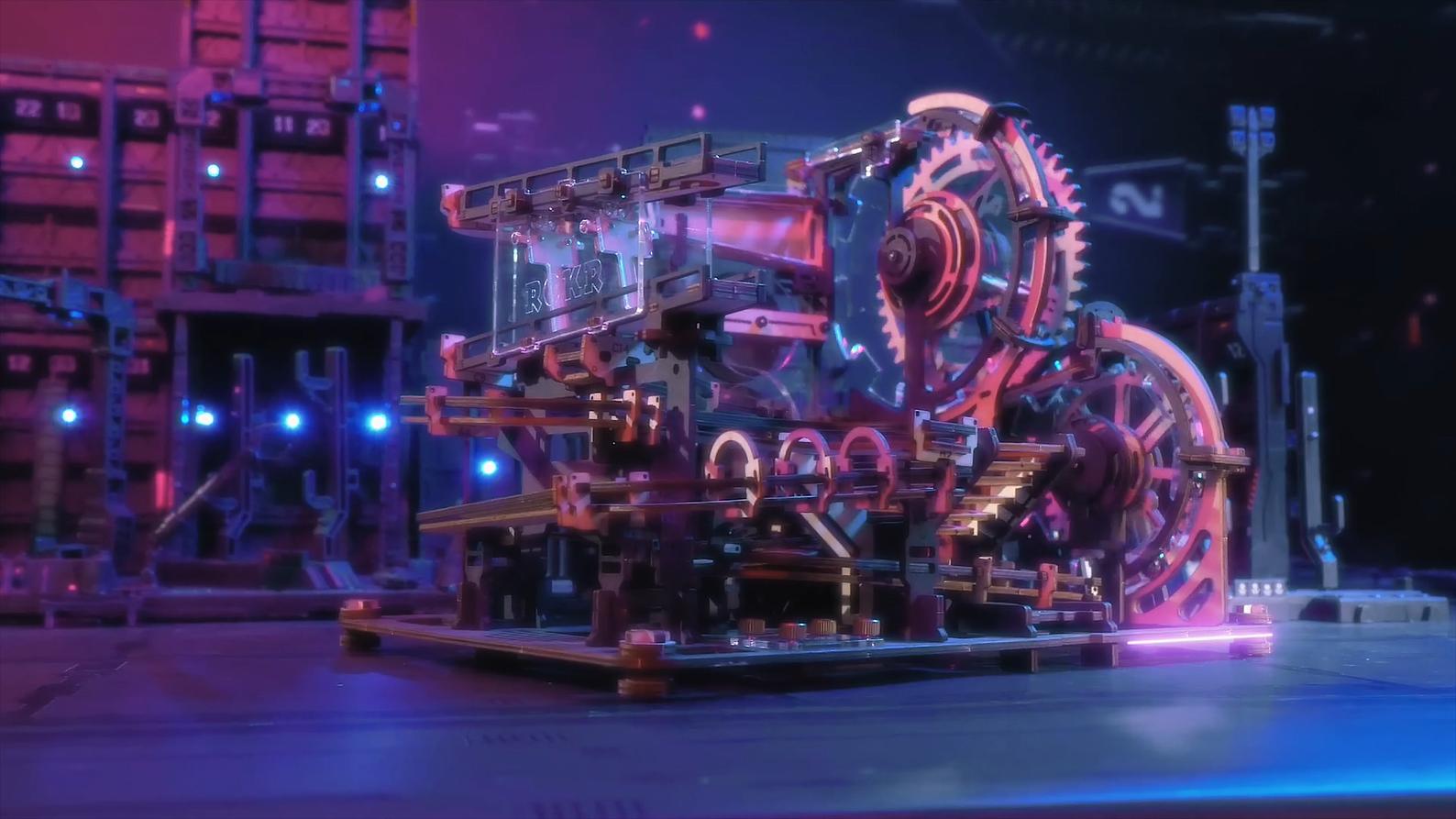
A challenging activity, such as a 6-star ROKR kit, is akin to a “stress-test” of your own abilities. As you navigate that uncertainty, you begin to develop emotional grit. You’re not avoiding the “hard steps” anymore, but are engaging with them.
You can solve your own problems, and now your self-doubt is replaced with tangible proof of capability, making you less rattled when you face the next project. Besides, comfort keeps your skills stagnant, but a challenge forces you to rely on your own logic to move forward.
How Hands-On Difficulty Creates Lasting Fulfillment
A difficult, hands-on challenge grounds and satisfies you in a way that digital achievements rarely can. Hobbies like crafting are physically tactile, connecting you to the real world through your own hands. The finished model serves as a physical anchor, giving you an internal, quiet pride that doesn’t need the validation of an audience.
This process induces LAPA (Low Arousal Positive Affect), a highly fulfilling state of calm, stable happiness. You may get a “high” from digital likes and notifications, but they are fleeting and often lead to a crash. In contrast, the fulfillment you get from craftsmanship actually lasts, an internal reward that settles your nervous system and weakens self-doubt.
The Hardest Projects Often Feel the Most Worthwhile
You see that ROKR model you’ve displayed on your shelf? That’s proof you’ve discovered the true value of a difficult hobby: the person you became while building it. You’ve traded the exhaustion of the digital world for the recharging peace of the physical one. You’ve found your confidence grounded in real effort, a calm focus, and a pride that doesn’t need applause or praise from others.
A finished ROKR mechanical piece produces the kind of satisfaction that comes from knowing exactly what you’ve worked through to complete it. You didn’t choose the hard path because you had to; you chose it because you knew the greatest reward isn’t in the ease of the result, but in the mastery of the process. In a world that is moving toward total automation, the choice to do something "the hard way" remains one of the most fulfilling things a human can do.
The hard way doesn’t just build things. It builds you.