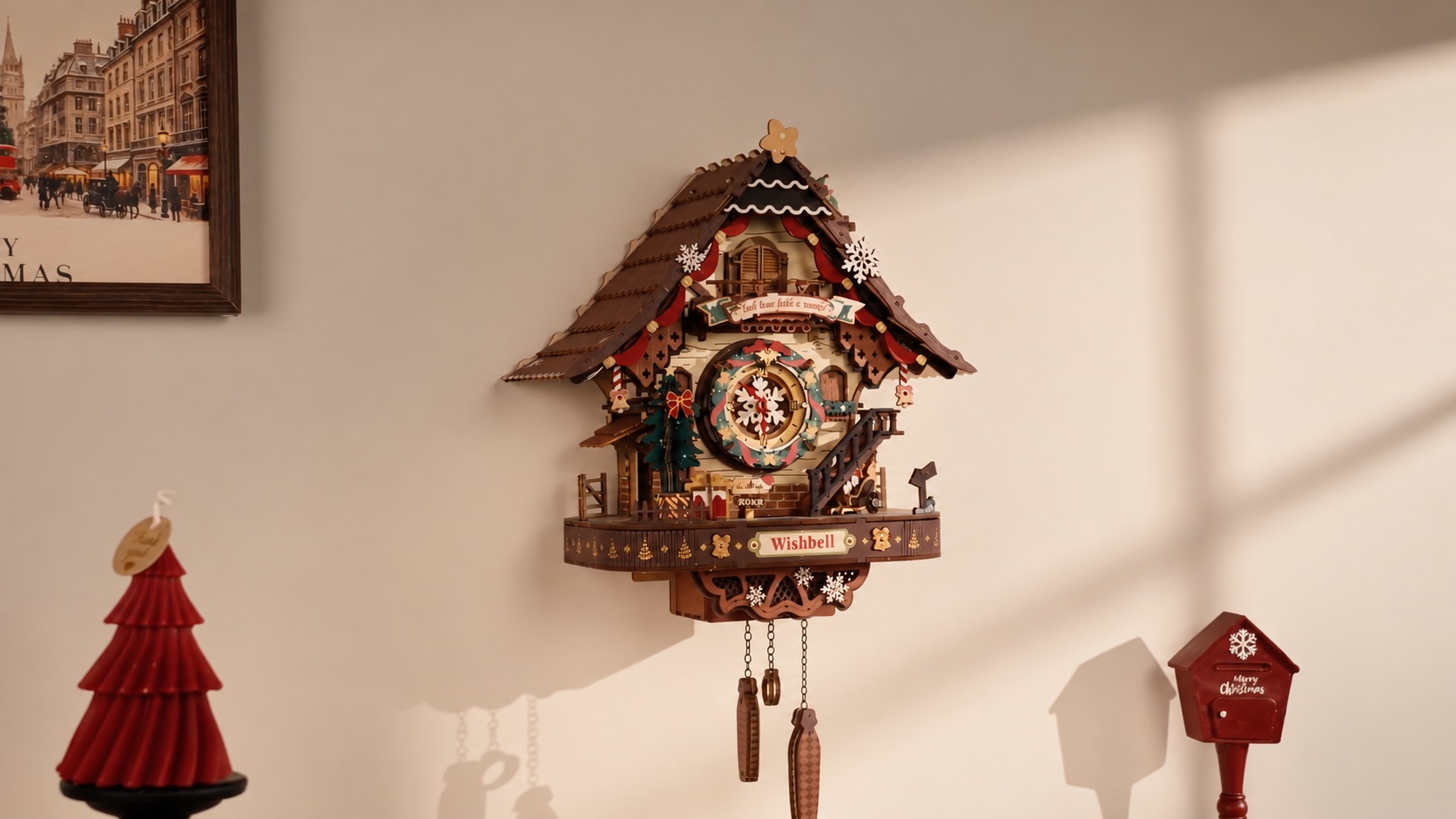

How do you feel at night? Are your eyes heavy, dry, and tired, practically begging you to close them, but your body isn't sleepy at all? After a long day on devices, you may recognize that feeling of screen fatigue.
Screen fatigue often includes symptoms of digital eye strain. Looking at screens for a long time can leave you with blurred vision, difficulty focusing, dry eyes, eye fatigue, or headaches. Some research also explores links between heavy screen use, attention, and anxiety, though an association does not prove that screens cause either problem.
Nowadays, many people are making a different choice by putting the screen down and picking up something they can actually hold. That choice has grown into a lifestyle for many, which we will tackle today.
The Screen-Free Lifestyle
The screen-free trend is an intentional everyday choice to steer away from phones, tablets, laptops, and TVs at certain times. It isn't about quitting technology altogether or pretending screens aren’t important in our daily lives. Work, family, learning, and entertainment all depend on that, and that's fine. Rather, the idea is to be the one deciding when a screen gets your attention, instead of letting it occupy every spare minute you have. Balance is key.
Practically, these look like small, repeatable habits, like a phone-free dinner, or a "no devices after 9" rule, or a weekend morning that starts with a project instead of a feed. It can mean locking your phone in a drawer while you choose a hands-on, analog hobby instead.
A Trend?
This ongoing movement to deliberately choose to lessen screen time looks like a trend, but vinyl records, film cameras, paper planners, and board games have all made comebacks, not because people stopped liking technology, but because physical experiences offer something screens just can't. The more digital our days become, the more valuable offline time gets. And more and more of us are starting to get it.
Remember during the pandemic when work, school, and socializing all moved onto screens? We felt so alone that most of us went looking for something to do that wasn't one. Puzzles, baking, gardening, and crafting boomed, and many people simply adopted these hobbies and never looked back.
People recognize the need for change. But what sustains this lifestyle shift is how much better the offline hours feel. And there’s one analog hobby that lives in the real world, that you can do at your own pace and that leaves you feeling calmer afterward while looking forward to the next session. It’s something you simply keep coming back to, something that brings focus, creativity, and hands-on satisfaction, with no experience required and everything you need in one box: building a wooden model kit.
Why Building ROKR Models is the Quintessential Analog Hobby
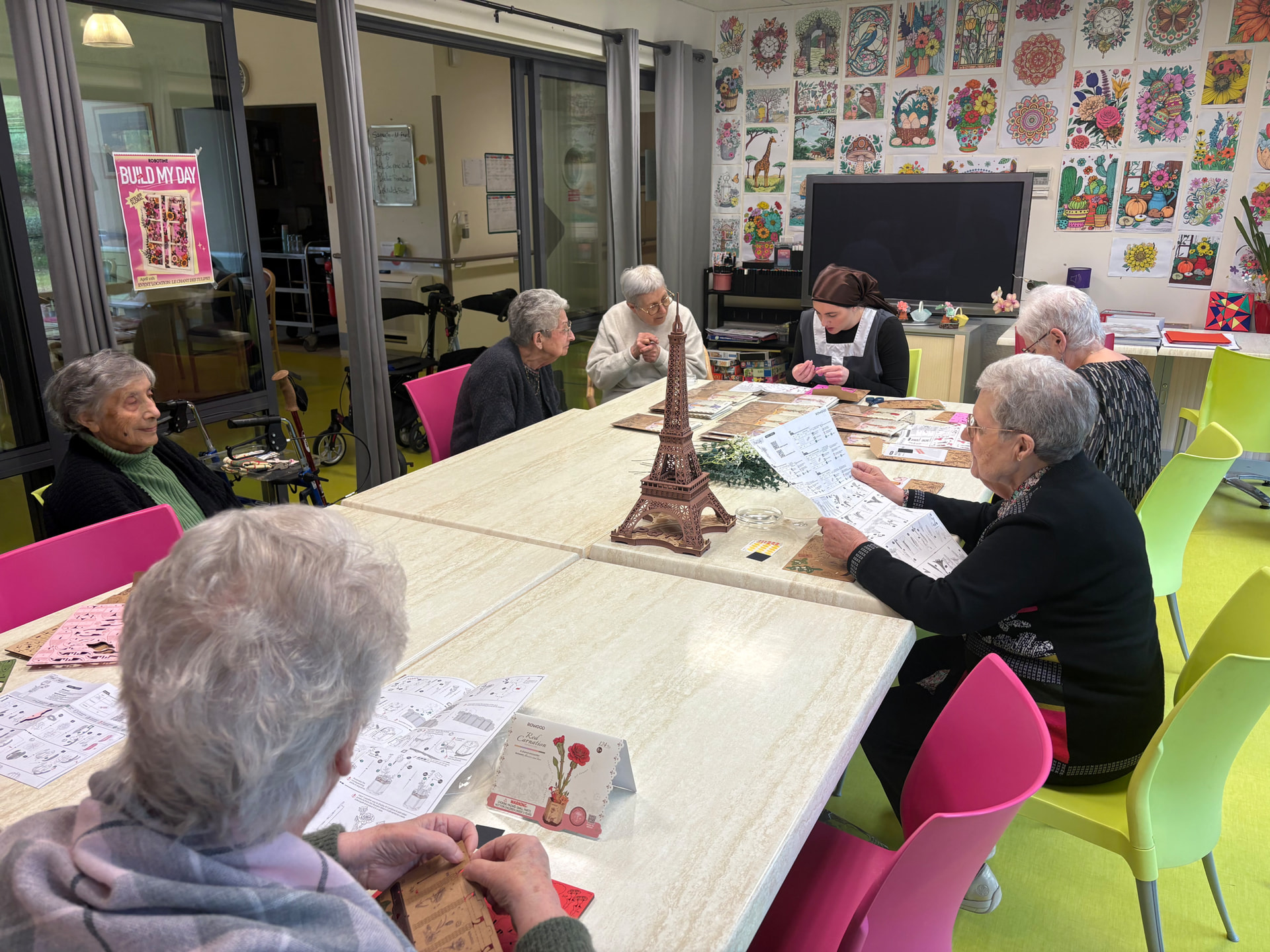
You may have heard of it or seen reels of it online, and tons of people are enjoying it. Why? Because there are no apps to open, no accounts to create, and no notifications to pull you away. You work with real wood, which brings out the natural, sensory side of analog. You use your hands to build a 3D model from interlocking wooden pieces, with every snap a victorious satisfaction.
On top of that, the process asks you to slow down, asking for your full attention, giving your eyes a break from the glow of a screen, and turning an ordinary couple of hours into something calm and absorbing.
- Calming: The steady, step-by-step rhythm gives a busy mind somewhere gentle to rest, so you can reach for the build table instead of the phone to unwind.
- Deep focus: One clear task at a time lets your attention stretch out again after hours of scrolling.
- Rest for your eyes: Looking at real pieces in real light, and moving your gaze between near and far, is a welcome break from glowing pixels.
- Hands-on practice: Sorting, fitting, and assembling parts calls on fine motor skills, and your hands are busy enough that there's no room for a device.
- Spatial thinking and problem-solving: Reading the instructions and working out how pieces connect keeps your brain engaged in a way that passive scrolling doesn’t.
- A real sense of accomplishment: Every completed step is a small win, and a finished build feels more rewarding than any feed.
- Something real to keep: You end up with a model you can display, use, or give away, a physical record of time spent away from screens.
- Mindfulness without trying: Absorbed in the task, you stay in the present moment instead of the next notification.
- No experience needed: Everything arrives in one box, including a friendly instruction manual filled with diagrams, so there's no hesitation to starting and no excuse to default to the phone.
- Fits any schedule: Quick builds suit a single afternoon, and bigger ones can be spread over several sessions, so there's always a reason to come back to the table.
- Easy to share: Building with a friend, partner, or child turns screen-free time into quality, bonding time.
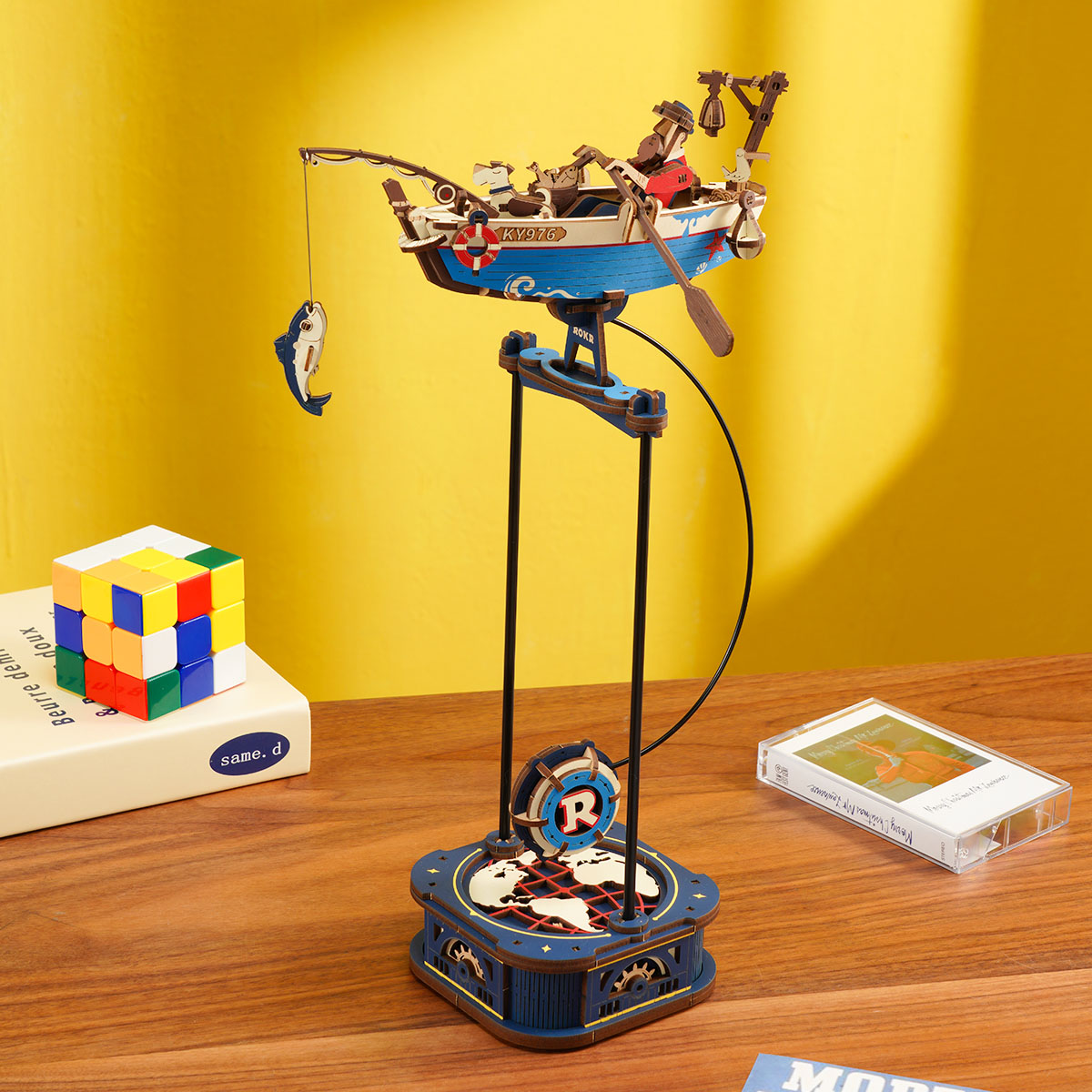
- Room to grow: Kits range from beginner to advanced, so the hobby keeps challenging you and the habit lasts. You can start with easy builds you can do in one sitting, like the inspiring Rowood Starry Night TH003 or the amusing ROKR Ocean Fisher MCD02. Eventually, you’d want to level up with harder pieces like the epic ROKR Seahorse Barque MCB02 or the nostalgic ROKR Classic Gramophone LKB01D, which take up several sessions to complete.

What’s not to love? The best thing about building ROKR kits is that it validates your choice of the screen-free life you want to live.
Make the Shift
No doubt about it, you can take back your time through screen-free, analog hobbies without needing to overhaul your life and give up technology altogether. All it takes is a deliberate choice to make more room for focused, hands-on time.
Ready to start? Pick up a ROKR wooden model kit, clear a spot at the table, and put your phone in a drawer for an evening. Begin with a quick one-sitting build, or go straight for a multi-session challenge, and see how good the quiet hours feel.